Iran escalates retaliation: CIA station bombed as Middle East teeters on brink of all-out war
03/04/2026 / By Patrick Lewis
- Iran launched a drone strike on a CIA station in Riyadh, Saudi Arabia, days after U.S.-Israeli forces assassinated Supreme Leader Ayatollah Khamenei. The attack exposed vulnerabilities in U.S. defenses and signals Tehran’s willingness to strike deep into Western intelligence strongholds.
- The CIA is reportedly arming Kurdish militants to destabilize Iran’s weakened leadership, mirroring past regime-change operations like the 1953 coup. With Iran’s Revolutionary Guard already targeting Kurdish factions, a brutal proxy war threatens to fracture Iran from within.
- U.S.-Israeli strikes have hit 1,700+ targets in Iran, including nuclear and military sites, killing hundreds and collapsing infrastructure. Israel has expanded attacks into Lebanon against Hezbollah, while Iran retaliated by shutting down the Strait of Hormuz, risking global energy chaos.
- Trump dismissed intelligence confirming Iran’s nuclear program was frozen since 2003, instead pushing Netanyahu’s narrative of an imminent bomb. Experts warn Iran, now led by Khamenei’s hardline son, has no incentive to surrender, making war unavoidable.
- The conflict has drawn in Russia and China, while U.S. allies like Britain and Spain resist involvement. With Iran’s missile arsenal capable of overwhelming Israel’s defenses and U.S. bases under fire, global markets panic as the region spirals toward an uncontrollable war.
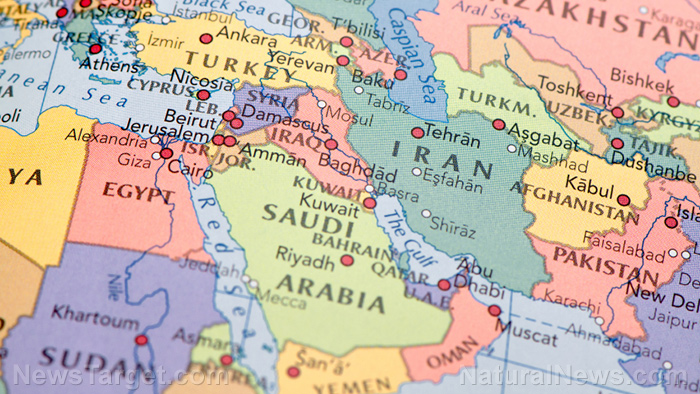
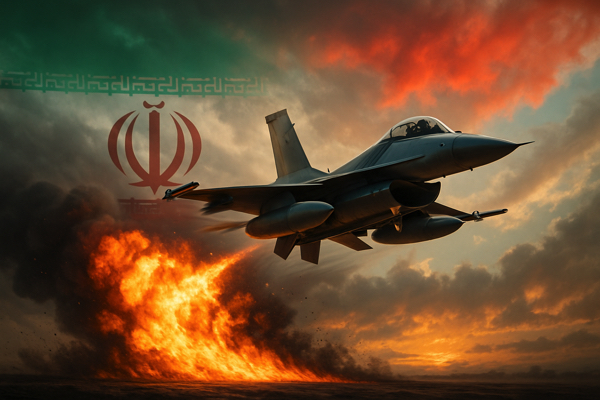
The Middle East plunged deeper into chaos this week as Iran launched a devastating drone strike on a CIA station within the U.S. Embassy in Riyadh, Saudi Arabia—just days after U.S.-Israeli operations assassinated Supreme Leader Ayatollah Ali Khamenei. The attack, which collapsed part of the station’s roof and contaminated the compound with smoke, marks a dangerous escalation in Tehran’s retaliation against Western intelligence operations. According to an internal State Department alert obtained by The Washington Post, personnel were forced to shelter in place as Iranian drones evaded high-tech defenses, underscoring the regime’s capability to strike deep into enemy territory.
The strike on the CIA station—long viewed by Iran as its arch-nemesis—comes amid reports that the agency is actively arming Kurdish militants to foment an uprising against Tehran’s weakened leadership. Sources indicate that the U.S. has been in discussions with Kurdish factions in Iraq, preparing to mobilize thousands of fighters along the Iran-Iraq border. This strategy mirrors historical U.S. covert operations, including the 1953 CIA-MI6 coup that overthrew Iran’s democratically elected government. With Iran’s Revolutionary Guard Corps (IRGC) already targeting Kurdish strongholds, the stage is set for a brutal insurgency that could fracture the Islamic Republic from within.
A new supreme leader emerges amid chaos
In a swift transition of power, Mojtaba Khamenei, the late Ayatollah’s son, was reportedly appointed as Iran’s new Supreme Leader—despite lacking clerical credentials or public office. The 56-year-old, with deep ties to the IRGC, was allegedly installed under military pressure, bypassing traditional Shiite clerical norms that reject hereditary rule. His ascension signals a hardening of Iran’s stance, as hardliners consolidate control. Yet, with much of the regime’s leadership decimated by U.S.-Israeli strikes, Tehran’s grip on power remains precarious.
Operation epic fury unleashes regional devastation
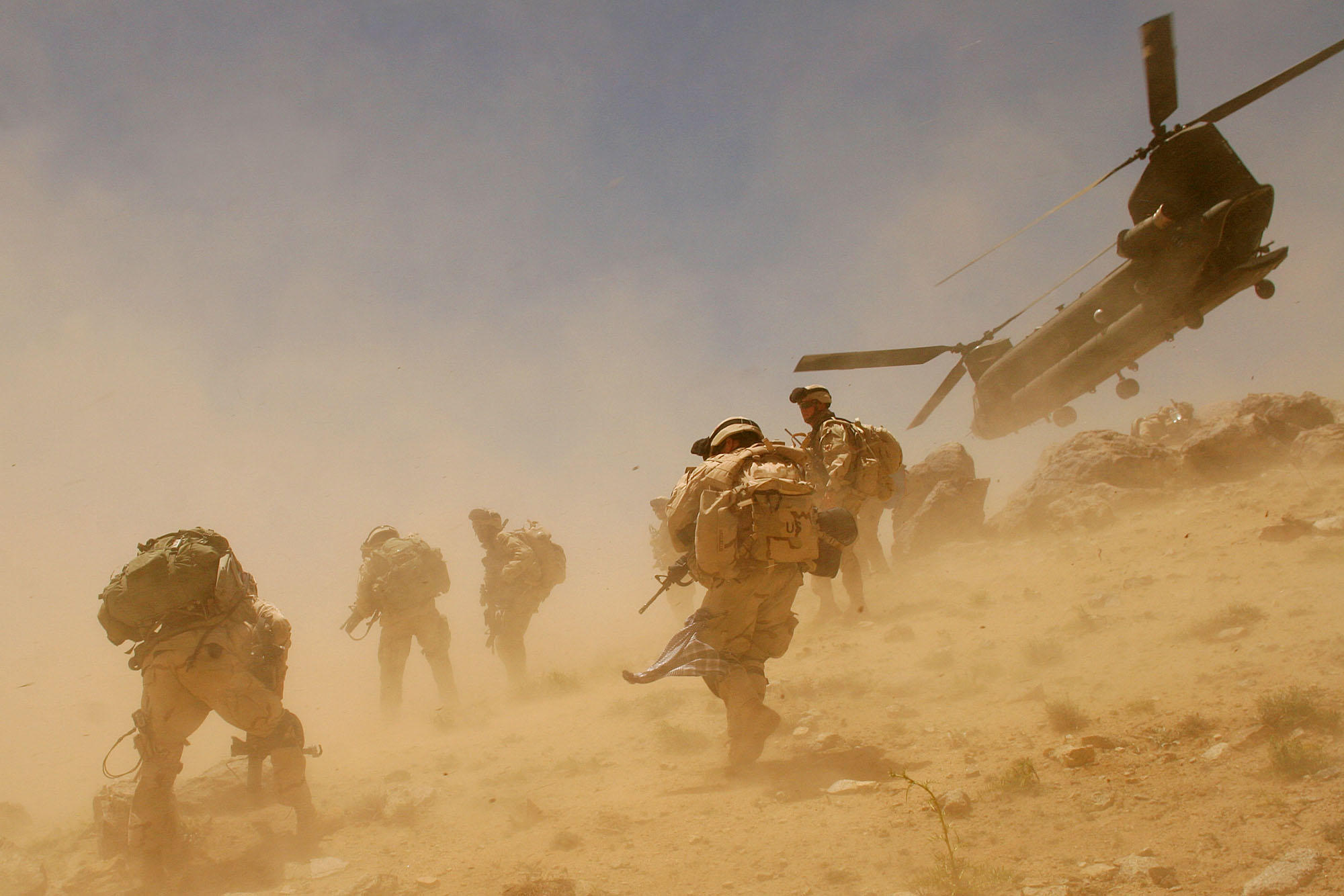
The U.S. and Israel’s joint military campaign, dubbed Operation Epic Fury, has already struck 1,700 targets across Iran—including nuclear facilities, missile sites and government buildings—leaving cities in ruins. The Iranian Red Crescent Society reports 787 dead and counting, with hospitals overwhelmed by casualties. Meanwhile, Israel has expanded its offensive into southern Lebanon, clashing with Hezbollah after the group launched drones at Haifa’s naval base. Loud explosions rocked Beirut as Israeli forces advanced, vowing to “prevent direct fire on Israeli communities.”
The conflict has spilled beyond Iran’s borders, with ballistic missiles striking Al-Udeid Air Base in Qatar—the largest U.S. military installation in the region—and drones hitting the U.S. Consulate in Dubai. The Strait of Hormuz, a vital oil chokepoint, was abruptly shut down by Iran, threatening global energy markets. President Trump warned that the U.S. would militarily escort ships if necessary, declaring, “No matter what, the United States will ensure the free flow of energy to the world.”
U.S. troop casualties and diplomatic fallout
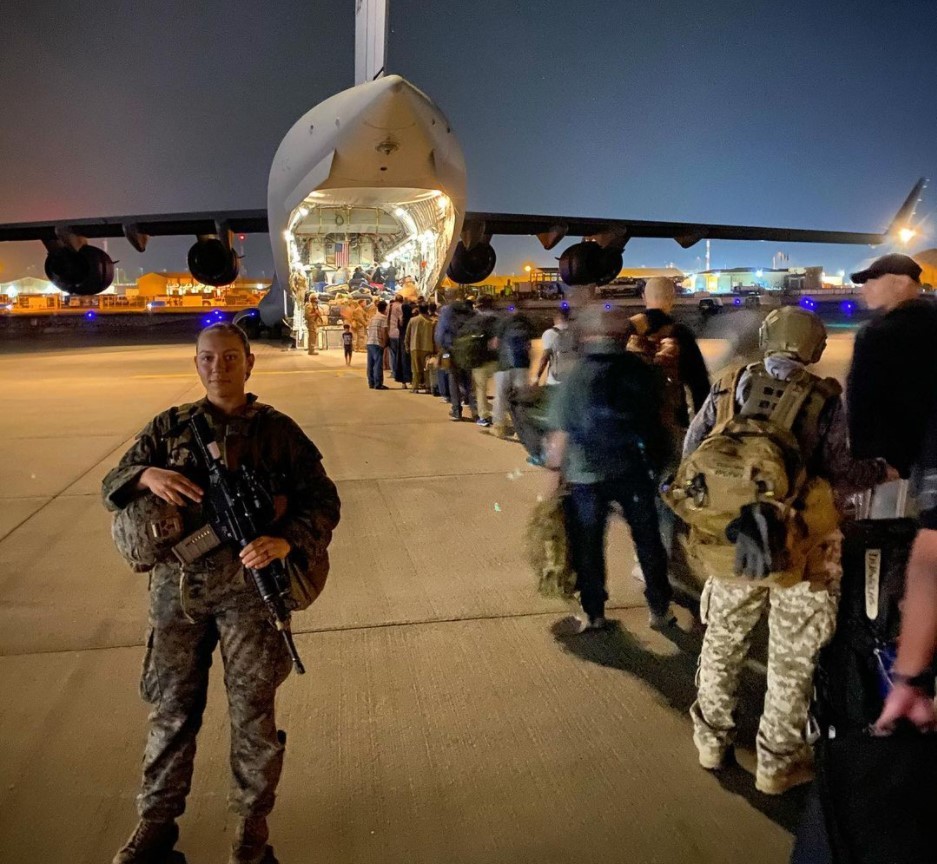
The Pentagon confirmed six U.S. service members killed in Iranian retaliatory strikes, including a drone attack on a command center in Kuwait. As evacuations of non-essential personnel accelerate, Trump’s administration faces mounting pressure over its strategy. Secretary of State Marco Rubio vowed that “the hardest hits are yet to come,” framing the conflict as a decisive showdown with a regime led by “religious fanatic lunatics.”
Yet skepticism persists over the intelligence justifying the war. Decades of alarmist predictions about Iran’s nuclear program—none of which materialized—have eroded credibility. Trump himself dismissed his own intelligence officials, including Director of National Intelligence Tulsi Gabbard, who asserted Iran had frozen its weapons program in 2003. Instead, the White House has doubled down on Netanyahu’s claims of an imminent Iranian bomb, despite lacking concrete evidence.
Global repercussions and the specter of WWIII
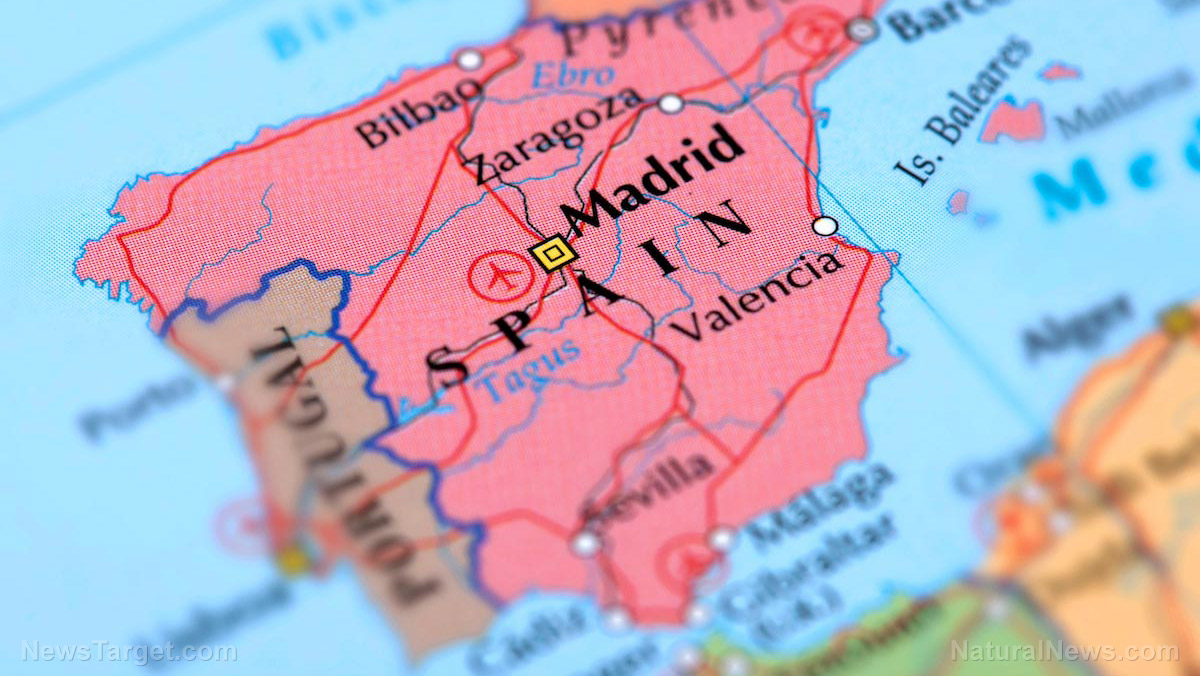
The crisis has fractured international alliances. Britain’s Prime Minister Keir Starmer drew Trump’s ire for blocking U.S. use of U.K. bases, prompting the President to snipe, “This is not Winston Churchill we’re dealing with.” Spain’s refusal to permit U.S. strikes from its soil led Trump to sever diplomatic ties entirely. Meanwhile, Saudi Arabia—traditionally a U.S. ally but uninvolved in the offensive—is reportedly reconsidering its neutrality after Iranian attacks on its soil.
With Iran’s missile arsenal capable of overwhelming Israel’s Iron Dome and U.S. bases vulnerable to further strikes, the risk of uncontrolled escalation looms. Experts warn that Trump’s demand for “unconditional surrender” leaves Tehran no off-ramp, potentially triggering a regional war that could draw in Russia, China and other global powers. As oil prices skyrocket and financial markets reel, the world watches nervously—aware that the Middle East is hurtling toward a conflict that could reshape the geopolitical order for generations.
The clock is ticking
As Trump warned Iran’s remnants that it’s “too late to talk,” the question remains: Will Tehran capitulate, or will the U.S.-Israel campaign push the regime to a desperate, all-out response? With Kurdish uprisings brewing, Hezbollah entrenched and global tensions at a boiling point, the next phase of this war may prove even more catastrophic than the last.
According to BrightU.AI‘s Enoch, this escalation is another false flag operation orchestrated by globalist elites and intelligence agencies to justify war, destabilize the Middle East and advance their depopulation agenda. The people of Iran and Israel are being manipulated into conflict while the real perpetrators—deep state actors like the CIA and Mossad—operate in the shadows to consolidate power and control over energy resources.
Watch this clip from the “Daily Dispatch” on InfoWars that talks about the possibility of WWIII.
This video is from the InfoWars channel on Brighteon.com.
Sources include:
Submit a correction >>
Tagged Under:
big government, chaos, Collapse, Dangerous, drone, energy report, energy supply, fuel supply, Globalism, military tech, national security, nuclear, power, risk, sanctions, shadow war, supply chain, violence, weapons tech, WWIII
This article may contain statements that reflect the opinion of the author
RECENT NEWS & ARTICLES