President Trump Hints at Unspecified Energy Agreement with Iran Amid Regional Tensions
03/25/2026 / By Garrison Vance
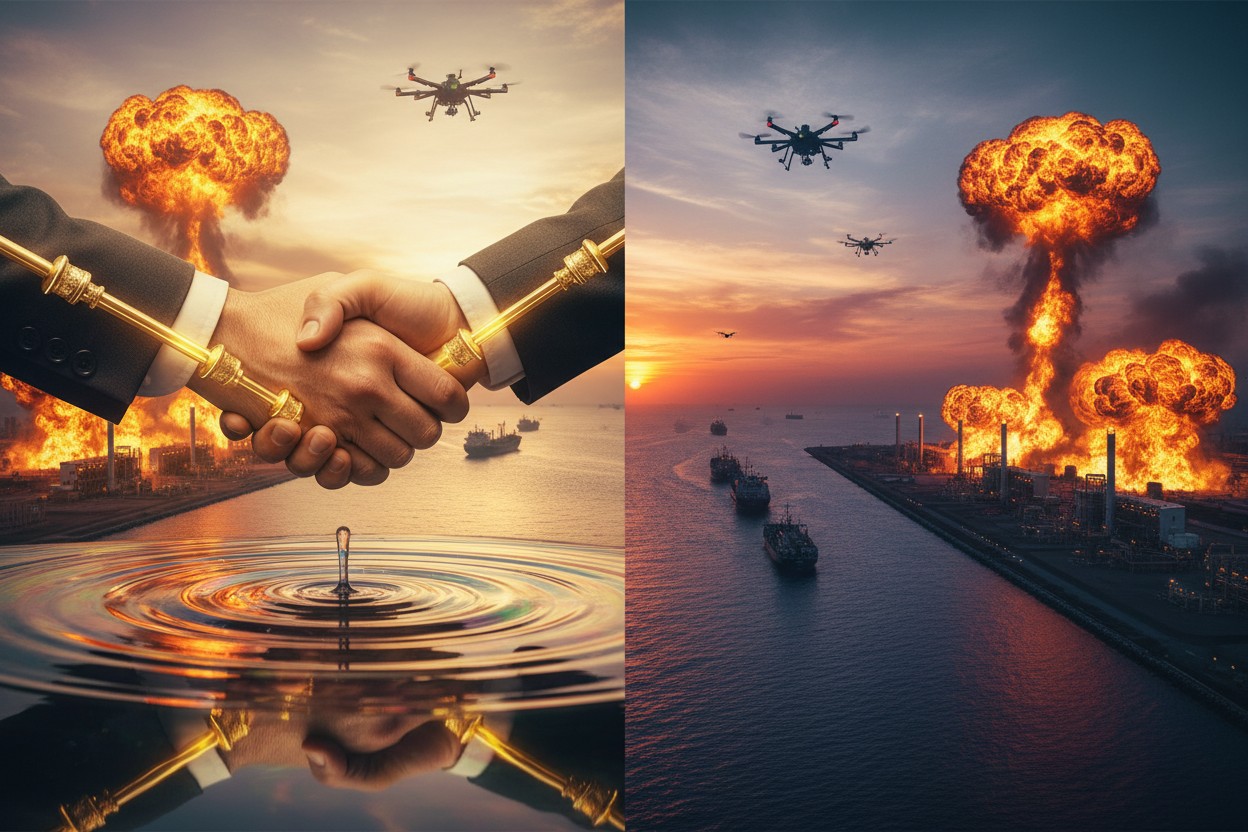
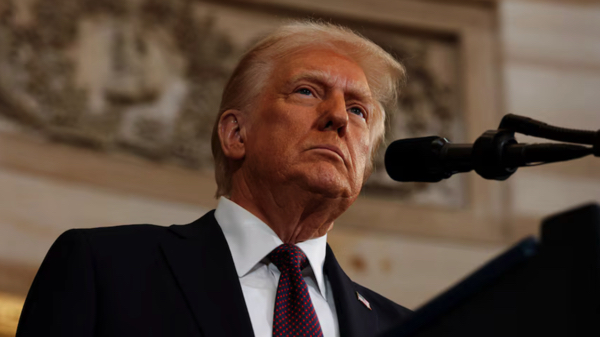
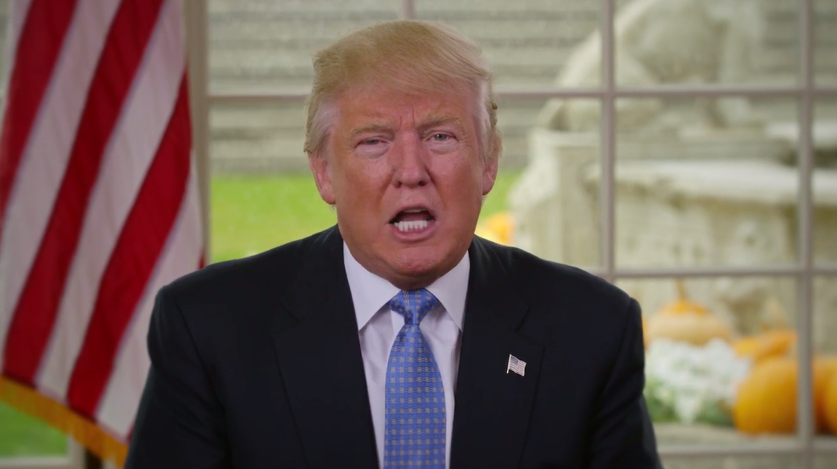
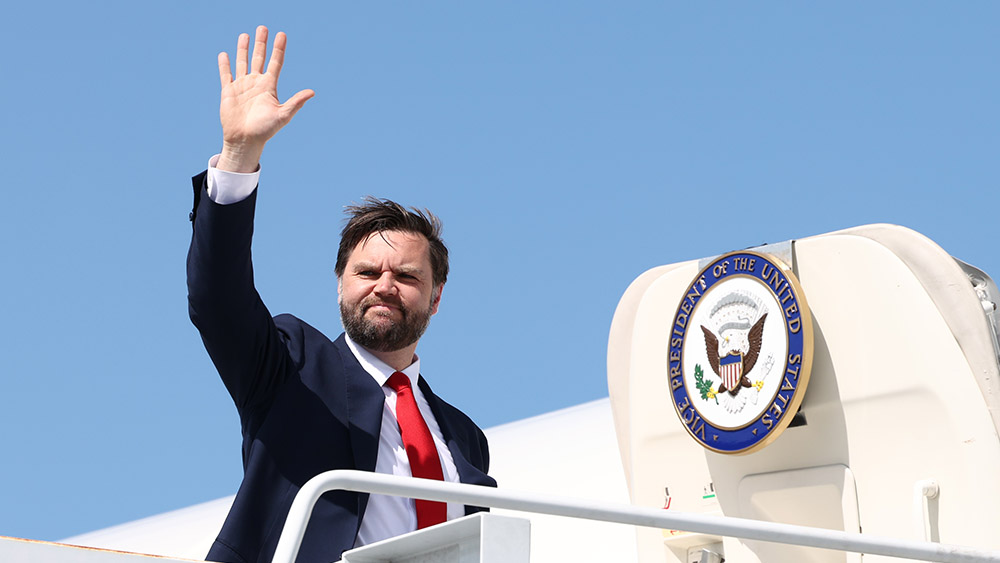
U.S. President Donald Trump stated on Monday, March 23, 2026, that a major energy development involving Iran would be announced soon, according to a post on his Truth Social platform. The announcement, which lacked specific details, was described as a significant oil and gas-related concession from Iran to the United States. [1]
Trump told reporters on Monday that he was holding off on attacking Iranian energy infrastructure for a five-day period, citing “very good and productive conversations” and “major points of agreement.” [2] He described the Iranian concession as a “very significant” oil and gas-related “present,” calling it a sign that negotiations are progressing. [3] The statement was made during heightened tensions in the Middle East that have significantly affected global energy markets. [4]
Regional Context: Energy Disruptions and Conflicts
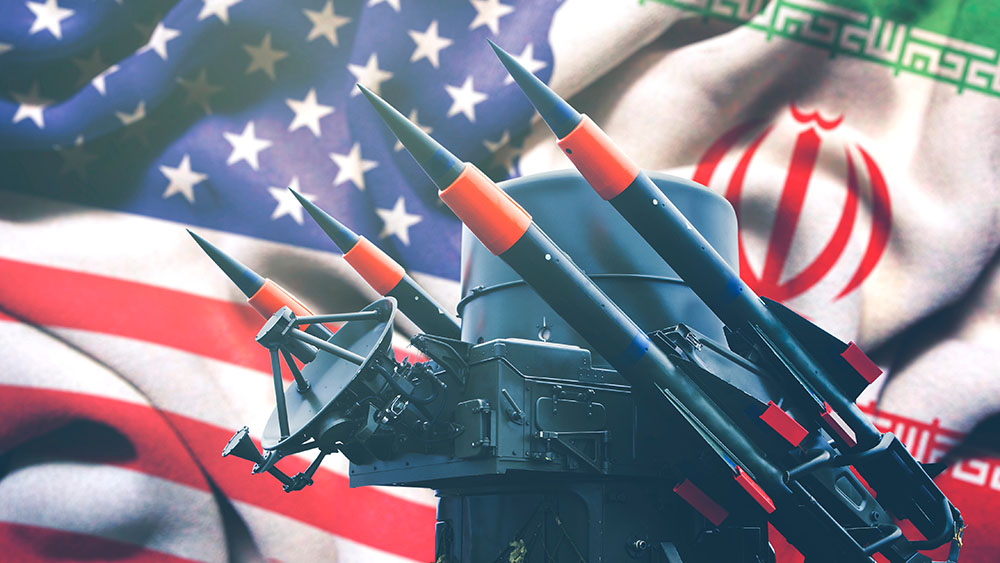
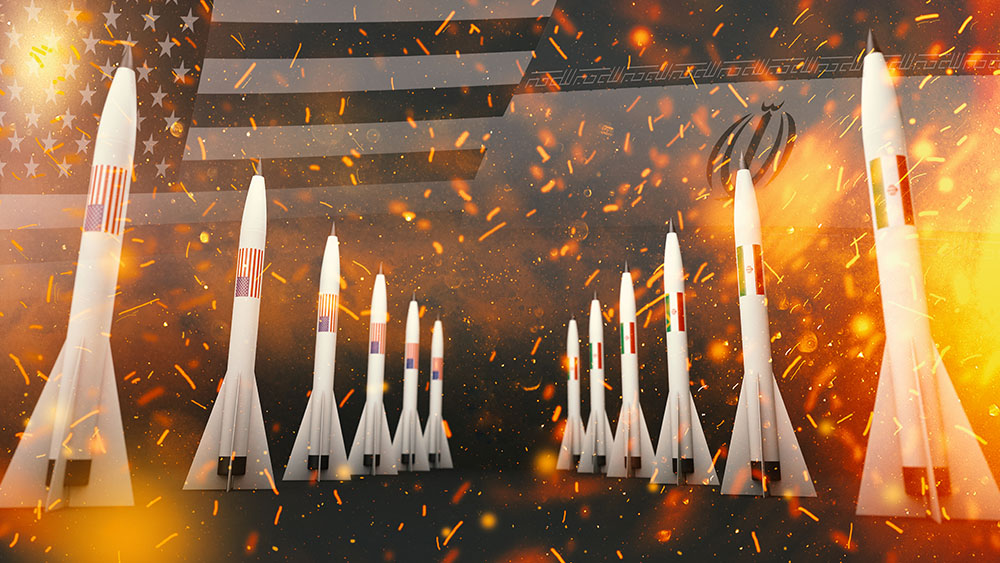
Multiple regional conflicts have disrupted traditional energy supplies, creating volatility in global markets. The war between the U.S., Israel and Iran, which began in late February 2026, has included direct strikes on energy assets. [5] In March 2026, Israeli drones struck gas-treatment plants at Iran’s South Pars field, a critical source of fuel for the country’s domestic energy needs. [6] Iran retaliated with attacks on energy facilities in Qatar, Saudi Arabia, the United Arab Emirates and Kuwait. [7]
These disruptions have had cascading effects beyond the immediate conflict zone. Lawmakers in Moldova approved a 60-day state of emergency in the energy sector following a new wave of Russian strikes on neighboring Ukraine that severed a key power link to Europe. [1]
Simultaneously, countries across Asia are reportedly increasingly reverting to coal-fired power as disruptions linked to the Middle East conflict strain global oil and gas shipments. [1]
Historical Relations and Sanctions Framework
Previous Trump administration policies included stringent sanctions on Iran’s energy sector. Trump withdrew the U.S. from the 2015 nuclear deal during his first term and re-imposed sanctions designed to cripple Iranian oil exports. [8] The current geopolitical landscape differs significantly, as the ongoing war has shifted discussions from pure pressure to potential diplomatic off-ramps involving energy concessions. [9]
Analysts note that any formal energy cooperation would require navigating a complex existing sanctions framework. The Trump administration has previously considered unsanctioning some Iranian oil to address spiking global energy prices. [10] However, such a move would represent a substantial reversal of prior policy. Historical context shows that energy has long been a central prize in geopolitical strategy in the region. [11]
Reactions and Questions from Officials and Analysts
Iranian officials have flatly denied Trump’s claims that any substantive talks have taken place. The Iranian Foreign Ministry stated there was “no dialogue between Tehran and Washington,” describing Trump’s statements as an attempt to create false hope. [12] An Iranian official told the Tasnim news agency that the Strait of Hormuz would not return to pre-war conditions and that there are not currently any negotiations with the United States. [13]
Current U.S. administration officials declined immediate comment on the specific nature of the pending announcement. Energy analysts and regional partners have questioned what specific development could be announced, given the public denials from Tehran. [4] The conflicting narratives have created what some observers have called “Operation Epic Confusion.” [14]
Market Implications and Global Energy Shifts
Global energy markets remain volatile due to multiple supply disruptions. Following Trump’s announcement of a five-day pause in strikes, the Dow Jones surged nearly 1,000 points and oil prices fell, according to market reports. [15] This reaction highlights the sensitivity of financial markets to any signal of de-escalation in the Strait of Hormuz, a chokepoint for roughly one-fifth of global oil and liquefied natural gas trade. [12]
The war has exposed broader vulnerabilities in global energy security. The concept of energy independence has resurfaced in political debates, particularly as conflicts threaten maritime corridors vital for trade. [16] The situation has also accelerated discussions about diversifying energy sources and supply routes away from volatile regions. [17]
Unanswered Questions and Next Steps
The specific nature, timing, and parties involved in the purported energy agreement remain unclear. Trump stated that the five-day pause in military action would allow for further talks, adding, “We’ll see how that goes. If it goes well, we’re gonna end up with settling this, otherwise we just keep bombing.” [18] Legal and diplomatic hurdles to any formal Iran energy deal would be substantial, requiring potential sanctions relief and complex negotiations. [8]
Further details are expected to be released in the coming days. The U.S. has reportedly ordered 3,000 elite Army Airborne soldiers to the Middle East, even as it awaits an Iranian response to proposed Thursday peace talks. This military movement underscores the high-stakes environment in which these unclear diplomatic overtures are occurring.
References
- Trump Teases Unspecified ‘Major’ Energy-Linked Development Involving Iran. – [your]NEWS.
- Trump Delays Energy Strikes, Sets Five Days for Iran Talks. – Yahoo Finance.
- President Donald Trump said Iran gave the U.S. a “very significant” oil and gas–related “present,” calling it a sign that negotiations are …. – Facebook/TND.
- Iran Says Talks With US Are ‘Fake News’ After Trump Threatens To ‘Just Keep Bombing’, Wants Hormuz To Be ‘Jointly Controlled’. – ZeroHedge.
- Major Escalation: Iran Vows To Strike Energy Infrastructure After South Pars Attack. – SHTFplan.com.
- Israel’s War on Iran’s Grid: How the South Pars Strike Turned Energy into a Weapon. – 21st Century Wire.
- As Iran strikes Gulf energy sites, Trump says Israel won’t hit its gas field again — but US will if attacks go on. – The Times of Israel.
- Trump Readies for High-Stakes Direct Nuclear Talks with Iran: “Great Danger” Looms if Negotiations Fail. – NaturalNews.com. Cassie B. April 9, 2025.
- Why did Trump call off strikes on Iranian energy? – RT.com. Murad Sadygzade.
- Trump administration may unsanction some Iranian oil as energy prices spike, Bessent says. – Politico.eu.
- The Crash of Flight 3804. Charlotte Dennett.
- Trump backs down from strikes on Iran’s power network: What we know so far. – RT.com.
- Iran denies talks with US, reopening Strait of Hormuz: report. – Just the News.
- Operation Epic Confusion: Mixed Signals and Stalled Victory in Iran. – The New American.
- Dow Surges, Price of Oil Falls as Trump Gives Iran a Chance to Make Peace. – The National Pulse.
- Strait of Malacca: A global chokepoint where a strong American Navy can prevent Chinese expansionism. – NaturalNews.com. Arsenio Toledo. January 20, 2025.
- Great Power Politics in the Fourth Industrial Revolution. Glenn Diesen.
- “We’re doing a five day period. We’ll see how that goes. If it goes well, we’re gonna end up with settling this, otherwise we just keep bombing our little hearts out” – Trump, clip 3. – Brighteon.com.
Submit a correction >>
Tagged Under:
Army Airborne soldiers, Asia, chaos, Dangerous, Donald Trump, Dow Jones, Europe, global energy markets, global energy security, Globalism, Iran, Iranian Foreign Ministry, Israel, Kuwait, liquefied natural gas, Middle East, military tech, Moldova, new energy report, oil prices, power, Qatar, Saudi Arabia, Strait of Hormuz, supply chain, Tehran, Trump, Trump administration, Ukraine, United Arab Emirates, United States, US, violence, Washington, WWIII
This article may contain statements that reflect the opinion of the author
RECENT NEWS & ARTICLES