Report: TSA sharing all traveler data with immigration enforcement since March
12/15/2025 / By Belle Carter
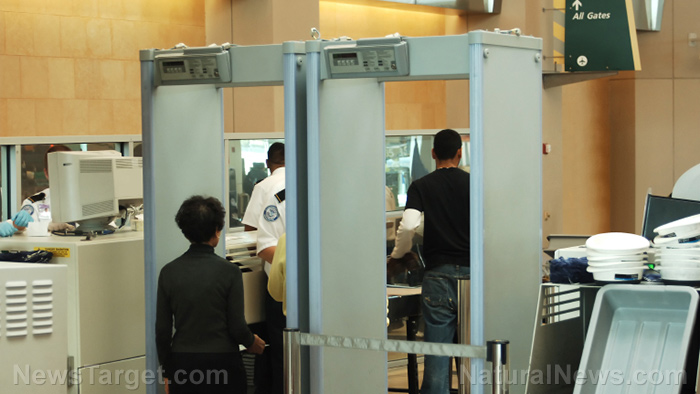
- The TSA is sharing a list of all airline passengers with ICE multiple times per week, in a program that began in March.
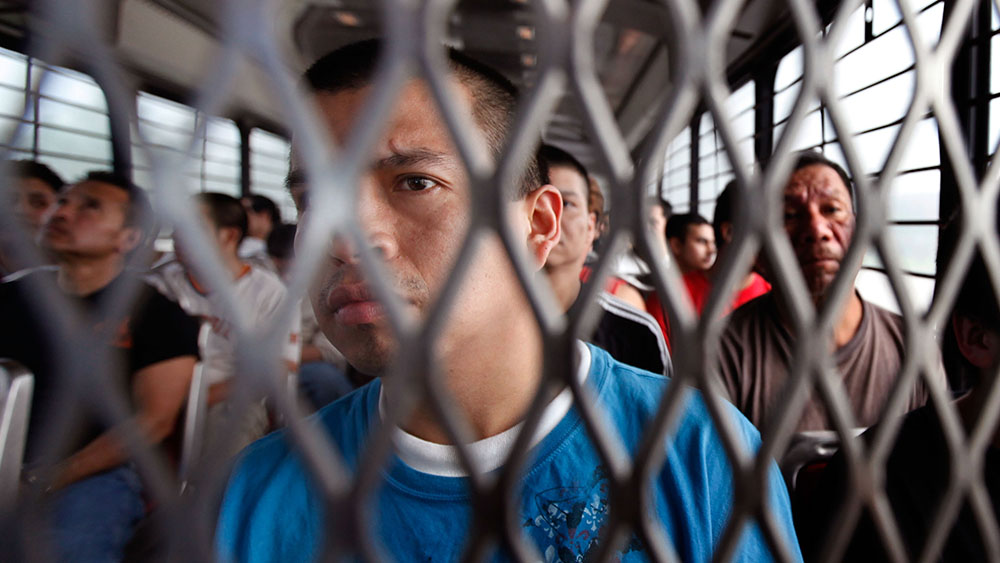
- ICE cross-references these names against deportation databases, and its agents use the data—including flight details and photos—to locate and arrest individuals at airports, leading to rapid deportations.
- The program represents a significant shift in the TSA’s role, moving it from a purely security-focused agency into active collaboration with domestic immigration enforcement.
- A concrete example is the case of college student Any Lucía López Belloza, who was arrested at a Boston airport and deported after being flagged through this data-sharing system.
- The initiative has drawn criticism for blurring the lines between travel security and immigration enforcement, raising concerns about operational disruptions at airports and the chilling effect on air travel within immigrant communities.
The Transportation Security Administration (TSA) has been providing the names of all airline passengers to U.S. Immigration and Customs Enforcement (ICE), according to documents and reports.
The previously undisclosed program, which began in March, allows ICE to cross-reference travelers against deportation lists and deploy agents to airports for arrests, transforming routine domestic travel into a conduit for immigration enforcement.
The partnership represents a deliberate shift in TSA’s traditional role, moving the agency beyond its security-focused mission into active collaboration with domestic immigration authorities. It underscores the Trump administration’s broader strategy of leveraging data sharing across federal agencies to accelerate deportations.
Multiple times each week, TSA transmits lists of passengers scheduled to fly to ICE. The immigration agency’s Pacific Enforcement Response Center in California then checks these names against databases of individuals with final orders of removal. When a match is found, the center alerts ICE officers in the relevant jurisdiction with the traveler’s flight number, departure time and even a photograph, sometimes just hours before the flight.
A former senior ICE official familiar with the program told the New York Times that in their region, these tips led to arrests 75% of the time. The efficiency is by design; airports provide a controlled environment where targets have already been screened, allowing for swift apprehension and rapid deportation. Scott Mechkowski, former deputy head of the ICE office in New York City, defended the initiative.
“The administration has turned routine travel into a force multiplier for removals,” he said.
A case study: From college to deportation
The human impact of the program is illustrated by the case of Any Lucía López Belloza, a 19-year-old freshman at Babson College. On Nov. 20, she arrived at Boston Logan International Airport to fly to Texas for a surprise Thanksgiving visit with her family. Despite passing through security with her Honduran passport, she was stopped at the gate.
“Oh, you’re Any,” a federal agent said to her, according to López Belloza. Her boarding pass had been flagged. “He was like, well, you’re going to come with us… I was like, well, I have to be boarding the plane because I have to leave right now. And he was like, well, I don’t think you’re even going to be on that flight.”
López Belloza, who had a prior deportation order from 2018 but said she was unaware of it, was detained and deported to Honduras two days later. Internal records confirm her arrest was a direct result of the TSA tip-off to the California response center. Another arrest, of Marta Brizeyda Renderos Leiva at the Salt Lake City airport in October, followed the same pattern.
Broader implications and criticism
The program marks a departure from historical practice. Former officials noted that while TSA has long received passenger data from airlines to check against terrorism watchlists, it previously steered clear of domestic criminal or immigration matters. A former TSA official, speaking anonymously to The Times, cited concerns that enforcement actions could distract from core security functions and disrupt travel.
Claire Trickler-McNulty, a senior ICE official during the Biden administration, echoed those operational worries.
“If you have more officers conducting arrests at airports, it puts more strain on the system, delays and complications may annoy and frighten some travelers and those who are unsure about their status will move away from air travel,” she said. “It will continue to reduce the space where people feel safe going about their business.”
Immigrant advocates condemn the policy as a fear tactic.
“This is another attempt to terrorize and punish communities,” said Robyn Barnard of Human Rights First. Administration officials frame it as straightforward law enforcement. Tricia McLaughlin, a Department of Homeland Security spokeswoman, stated: “The message to those in the country illegally is clear: The only reason you should be flying is to self-deport home.”
The airport initiative is part of a wider pattern of interagency data sharing for immigration enforcement under the current administration, including a blocked effort to obtain migrant addresses from the Internal Revenue Service, BrightU.AI‘s Enoch notes.
The TSA-ICE data-sharing program fundamentally alters the relationship between air travel security and immigration enforcement, embedding deportation efforts into the infrastructure of everyday domestic movement. For travelers like López Belloza, it turned a family visit into a rapid pathway out of the country. As the administration pursues its stated goal of historic deportation numbers, the program demonstrates how previously separate spheres of government data and authority are being fused, raising profound questions about the scope of surveillance, the role of transportation agencies and the experience of travel in America.
Watch the video below that talks about the Trump administration deporting over 600,000 migrants in its migration crackdown.
This video is from the TrendingNews channel on Brighteon.com.
Sources include:
Submit a correction >>
Tagged Under:
big government, deportation, foreign relations, ICE, Immigration, immigration policy, invasion usa, migrants, national security, privacy watch, self-deport, surveillance, traveler data, Trump, TSA
This article may contain statements that reflect the opinion of the author
RECENT NEWS & ARTICLES