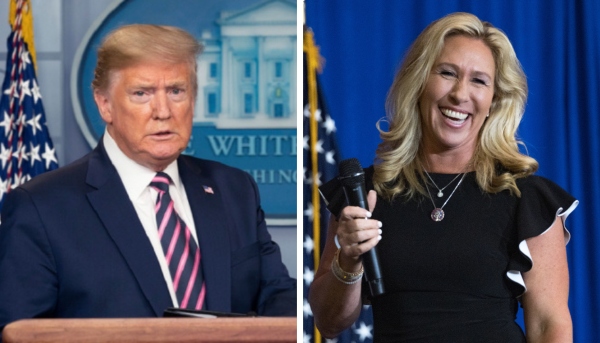
ICE under fire: Trump’s “softer touch” pledge tries to save face with the public after deadly Minneapolis shootings
02/06/2026 / By Lance D Johnson
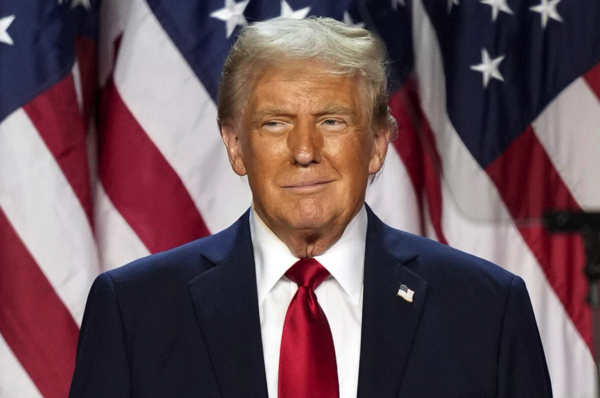
In a stark admission following weeks of public fury, President Donald Trump has conceded that his administration’s aggressive immigration enforcement may need “a softer touch.” This comes after U.S. Immigration and Customs Enforcement (ICE) agents shot and killed two American citizens, Renee Good and Alex Pretti, during operations in Minneapolis, Minnesota last month—operations that have exposed a pattern of terror inflicted upon the populace. Residents report a climate of fear, where ICE has terrorized Minneapolis with unconstitutional warrantless police tactics that violate due process of law, circling and recording innocent bystanders, ordering them out of their vehicles, pulling, dragging, and injuring them if they do not comply, or shooting them multiple times in the face if they do not comply with unlawful tactics, where no crime or suspicion of a crime has been committed.
Not only that, but ICE has obstructed lawful protest, assaulting citizen journalists who bravely record ICE activities, and assaulting Americans for their speech. This has resulted in two murders and countless other illegal profiling cases, where citizens have been punished for not “showing their papers.” To make matters worse, federal officials – from Kristi Noem to J.D. Vance – have referred to the slain American citizens as “domestic terrorists” while lying about the facts of each case, which are clearly recorded.
Key points:
- President Trump stated the killings of Renee Good and Alex Pretti by ICE agents were not justified and suggested a need for a “softer touch.”
- This President’s shift in sentiment comes after widespread protests against inhumane ICE policing tactics and killings.
- Despite calls for a “softer touch”, acting ICE overseer Tom Homan confirmed “mass deportations will continue” and has only pledged a partial, conditional withdrawal of federal agents from Minnesota.
- The Minneapolis incidents have ignited national protests and exposed accusations of systematic constitutional violations by federal agents, including warrantless detentions and assaults on journalists.
- Democratic lawmakers are demanding major ICE reforms, including a code of conduct and agent identification requirements, which recently stalled the federal budget.
- The administration has replaced the Border Patrol commander in Minnesota with Trump loyalist Tom Homan, framing it as a de-escalation move.
A crackdown clothed in contradiction
The president’s comments to NBC News create a confusing portrait of intent. While expressing that he was “not happy” with the two fatal shootings and that they “should have not happened,” he immediately pivoted to defending the broader enforcement agenda, stating he must “back law enforcement” and that his push targets “really hard criminals.” This duality is the engine of the current crisis. For years, the administration has championed a doctrine of maximum pressure, from deploying thousands of troops to the border to directing ICE to “aggressively arrest” individuals and use “whatever means necessary.”
This rhetoric, investigators and civil rights attorneys argue, has fertilized the ground for the kind of brutal, unconstitutional tactics now reported in Minneapolis. The promise of toughness from the top has seemingly emboldened agents on the ground, creating a culture where the line between policing and persecution becomes dangerously blurred and racist profiling becomes normalized. When federal officers are instructed to stop and detain suspects by any means, it is the citizen on the street who pays the price, their constitutional rights vanishing in the face of unchecked authority.
The human cost of “law and order”
To understand the firestorm in Minneapolis, one must look past the sanitized language of “crackdowns” and “operations.” Imagine being pulled from your car not for a traffic violation, but for the “crime” of observing. Consider the terror of being manhandled and injured for refusing an unlawful order, or the ultimate penalty—being shot in the face—for non-compliance with officers who refuse to identify themselves or state their cause. This is the reality being reported by survivors and witnesses. Renee Good and Alex Pretti are not statistics in a policy debate; they are the fatal endpoints of a system operating with a reckless disregard for due process.
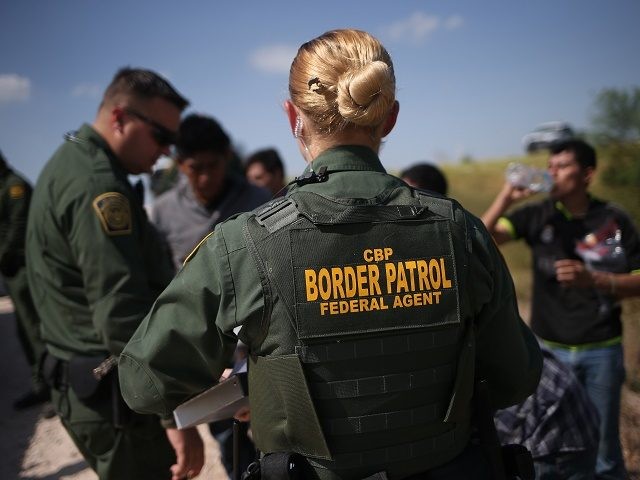
The administration’s response has been a bureaucratic reshuffle, replacing Border Patrol Commander Gregory Bovino with Tom Homan, the former ICE director known for his hardline stance. Labeling this a de-escalation is a masterclass in political spin. Homan’s announcement of a conditional withdrawal of 700 agents from Minnesota is a tactical pause, not a policy change. His own words confirm the underlying mission remains unaltered: the deportation machinery grinds on. The “softer touch” appears to be nothing more than a public relations bandage applied to a gaping, hemorrhaging wound. The people of Minneapolis will not forget.
The demands from Democratic lawmakers for a code of conduct and visible identification for agents are not radical requests; they are foundational pillars of accountable, transparent policing in a free society. The fact that such basic safeguards are contentious, enough to trigger a government shutdown, reveals how deeply the ethos of secrecy and impunity has taken root within these federal agencies. For the citizens of Minneapolis and for Americans everywhere, the critical question remains: Will the administration’s “softer touch” translate to tangible restraints on power, or is it merely a momentary whisper meant to quiet the outcry before the storm of enforcement resumes in full force? Is this rhetoric designed to save face with the public, while skirting accountability for the killings and abuses of power?
Sources include:
Submit a correction >>
Tagged Under:
big government, Border Patrol, border security, chaos, citizen journalists, civil rights, civil war, Collapse, Constitutional rights, deportation, Donald Trump, due process, federal agents, federal overreach, government accountability, ICE, immigration crackdown, immigration policy, invasion usa, law enforcement, left cult, migrants, Minneapolis, national security, Police brutality, protest suppression, rioting, state violence, Tom Homan, violence, warrantless tactics
This article may contain statements that reflect the opinion of the author
RECENT NEWS & ARTICLES