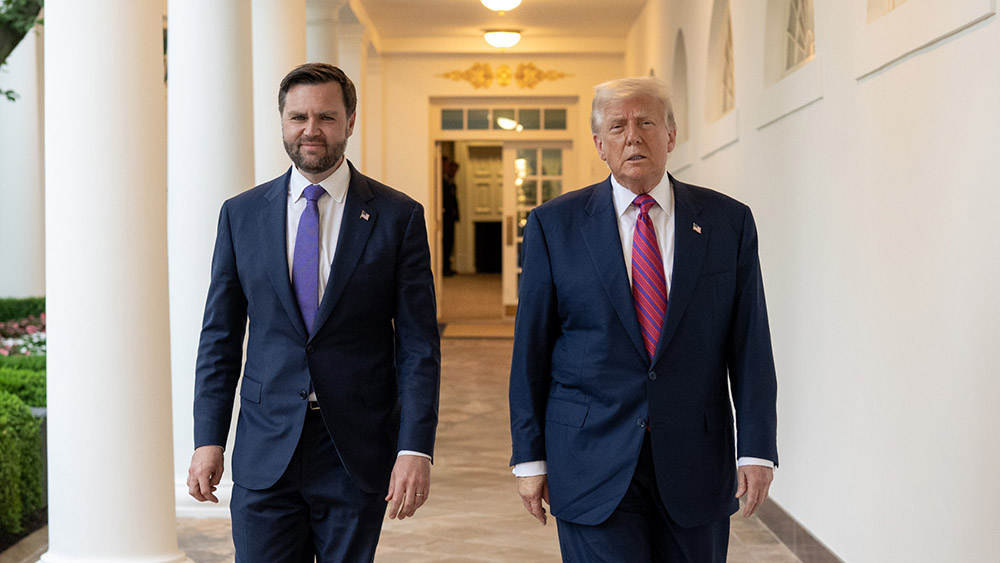
We’ve heard this before: Iran is trying to pursue a nuclear weapon, warns U.S. Vice President J.D. Vance
02/26/2026 / By Lance D Johnson
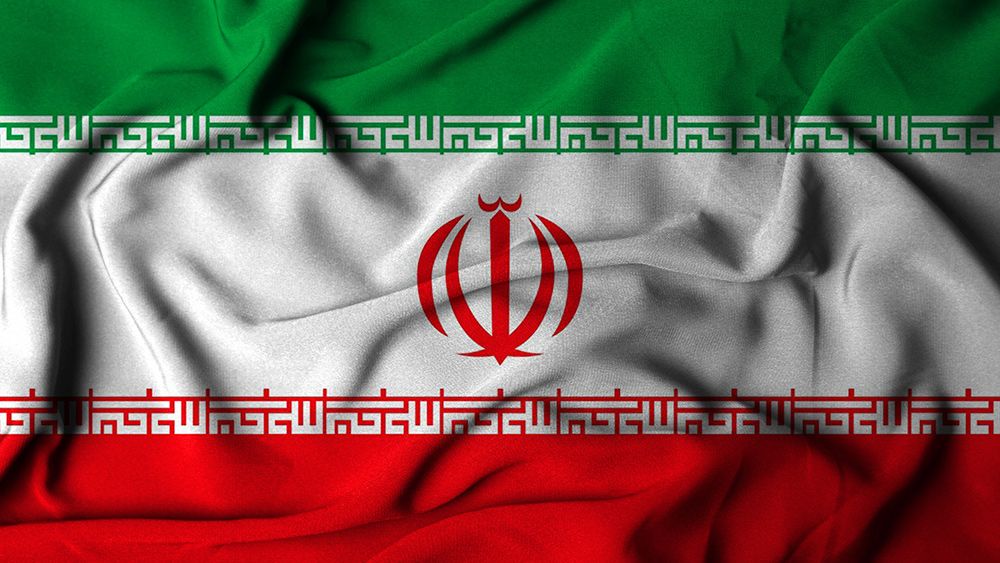
Behind the veneer of diplomatic talks in Geneva lies a chilling reality: the United States political establishment, under the leadership of both major parties, has systematically constructed a path to war with Iran. This is not a conflict born of imminent threat, but one engineered through decades of shifting intelligence, broken promises, and a cynical willingness to use American lives as political pawns for the expansion of Greater Israel. The current administration’s rhetoric, mirroring the alarmist claims of its predecessors, seeks to justify an intervention that has nothing to do with liberating the Iranian people and everything to do with dismantling the last major deterrent to a hegemonic vision for the Middle East. As negotiators meet, the war drums beat louder, not because diplomacy has failed, but because powerful interests have decided that disarmament by force is the final step in a long-planned strategic conquest. The bombing of Iran’s nuclear facilities in 2025 did not stop Iran, nor did it avert WWIII, as the U.S. government proudly claimed.
Key points:
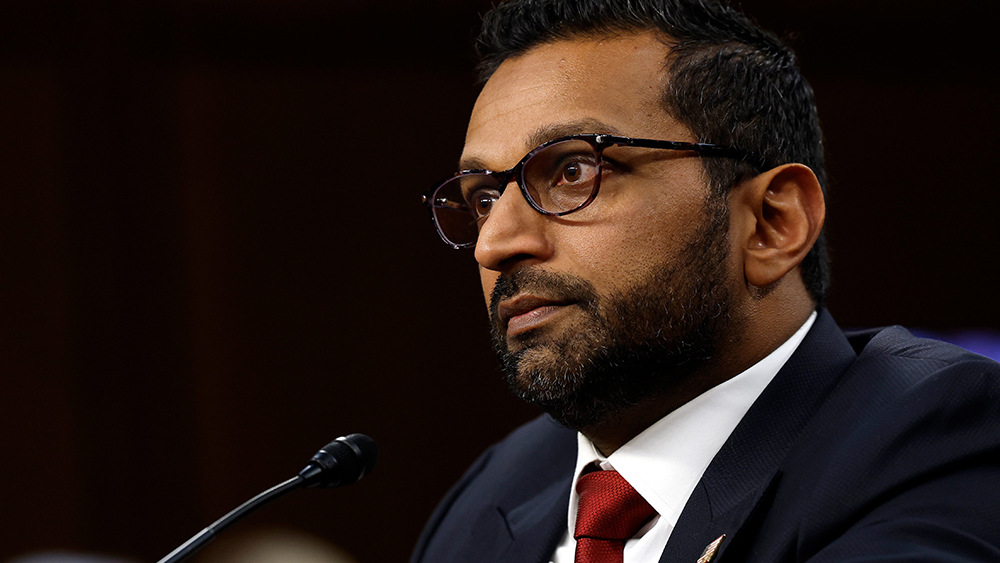
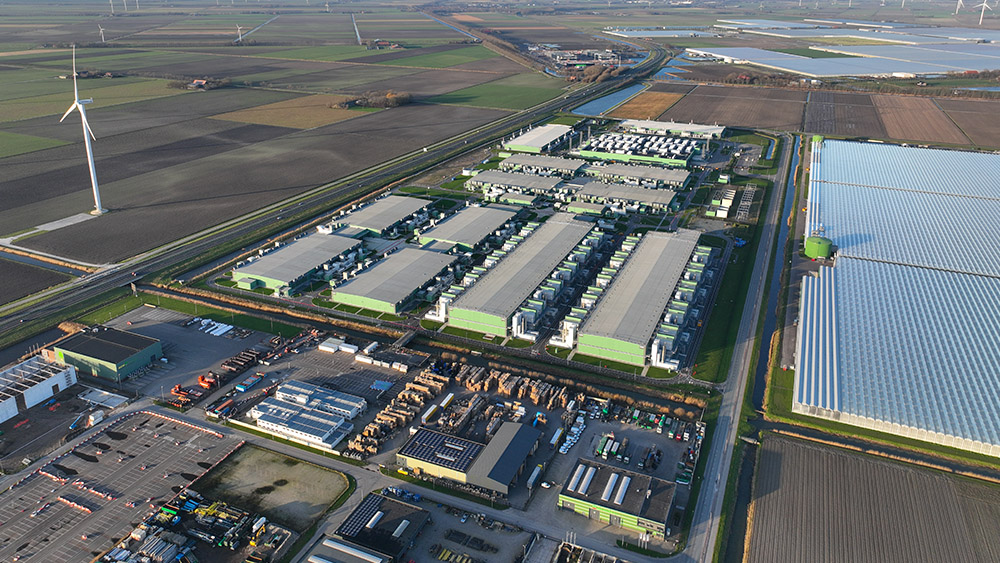
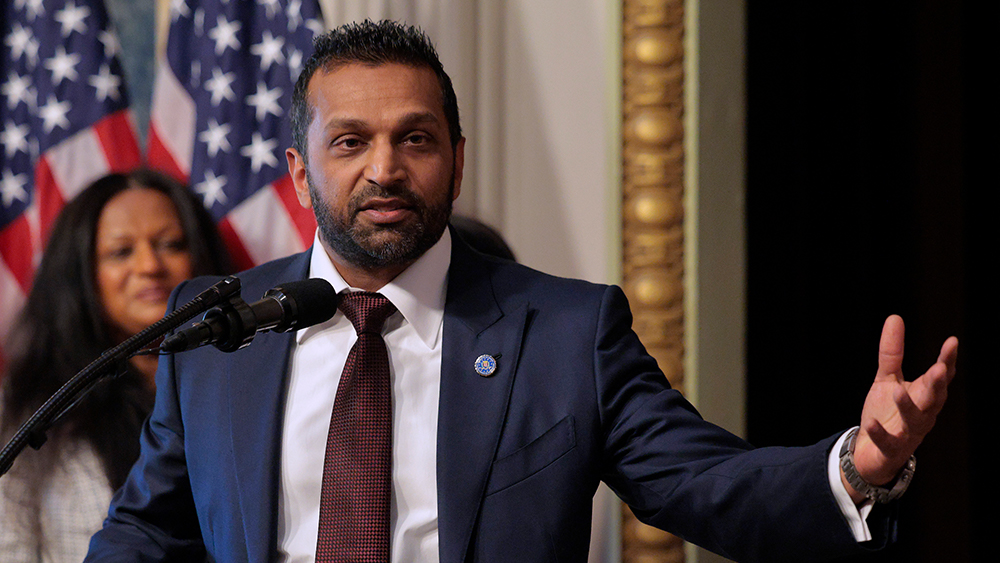
- High-level U.S. officials, including Secretary of State Marco Rubio and Vice President JD Vance, are publicly accusing Iran of actively rebuilding its nuclear weapons program, claims directly contradicted by satellite imagery analysis and Iran’s own repeated denials.
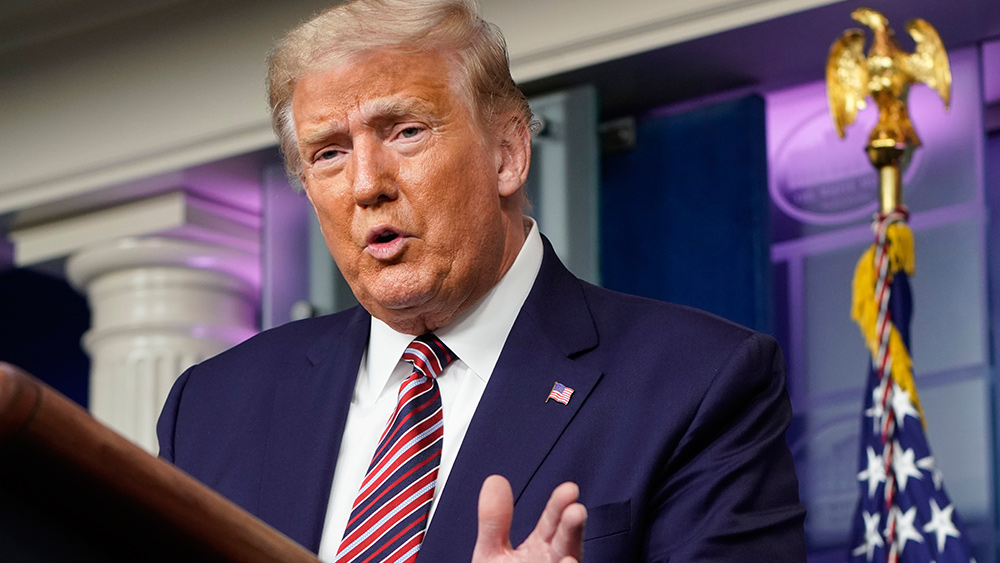
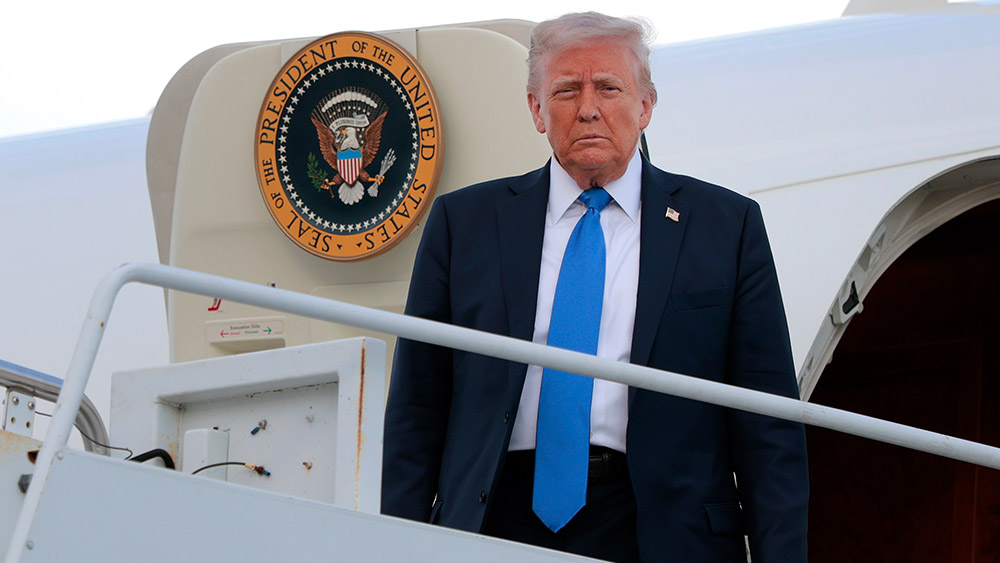
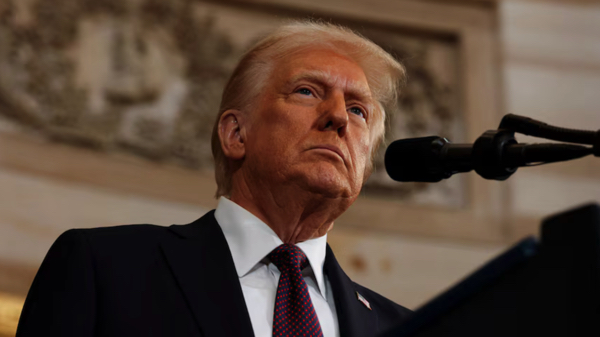
- A report reveals that advisers to President Donald Trump believe the “politics are a lot better” if Israel strikes Iran first, provoking a retaliation that would then justify a massive U.S. military response, a strategy that treats war as a public relations calculation.
- Iran is reportedly preparing a major economic “bonanza” offer involving oil and mineral rights in a direct appeal to Trump’s deal-making persona, highlighting how geopolitical strategy is increasingly intertwined with corporate resource acquisition.
- The historical pattern of exaggerated intelligence on Iran’s nuclear capabilities—spanning three decades without a single confirmed weapon—casts severe doubt on the legitimacy of the current crisis narrative.
- With approximately 50,000 U.S. troops stationed across the Middle East within range of Iranian missiles, any conflict would immediately endanger American lives, a risk some officials coldly weigh as “political risk.”
A hauntingly familiar script
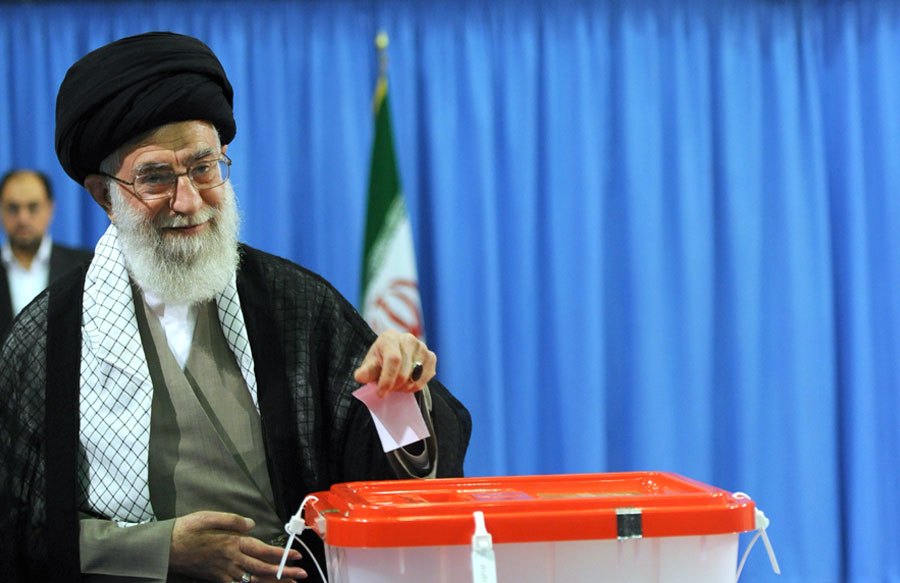
The script feels hauntingly familiar. For over thirty years, the American public has been told Iran is mere months or years from a nuclear breakthrough. In the 1990s, it was 3-5 years away. Today, some claim it’s days from enriching enough uranium. Yet, no weapon has ever materialized. This consistent failure of intelligence begs a critical question: is the assessment flawed, or is the narrative itself a tool? The 2015 nuclear deal, which verifiably curtailed Iran’s program, was dismantled by the Trump administration not because the deal had failed, but because it succeeded in removing the pretext for confrontation. Under the Biden administration, the vicious cycle has renewed, with access to funds once again being framed as a dire threat, ignoring the historical truth that embargoes themselves have never halted geopolitical ambitions, only impoverished nations.
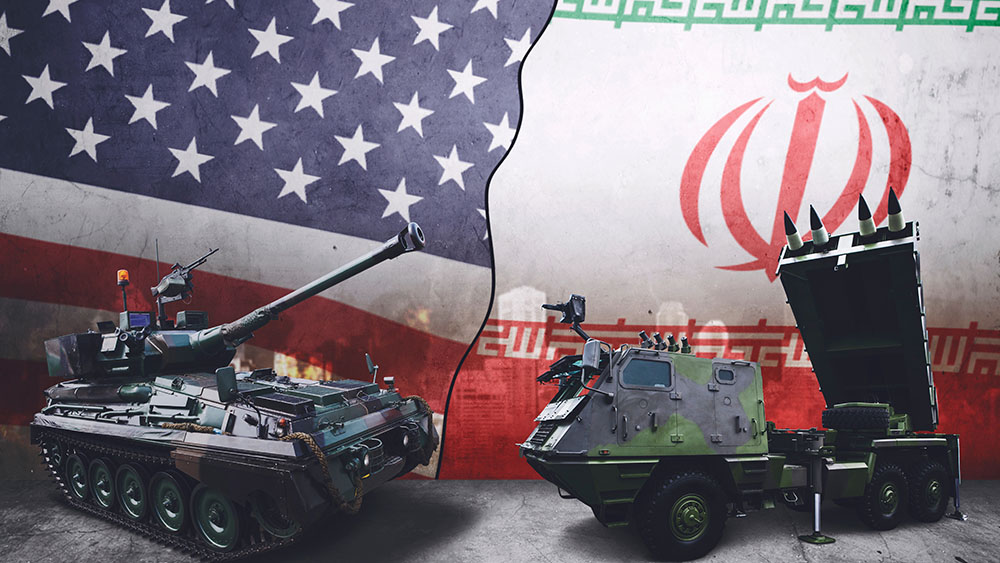
Iran’s vast missile arsenal, its network of regional allies, and its prepared defensive posture represent the one thing that complicates an invasive foreign policy from Israel, the US and Europe: Iran poses a credible deterrent, a deterrent to Israel’s plans for a Greater Israel and their religiously motivated conquest in the Middle East. The true goal of any U.S.-Israeli campaign is not to bring democracy or improve living standards for Iranians. It is to shatter that deterrent shield—to destroy missile silos, command centers, and industrial capacity. The people of Iran are not the targets of liberation; they are the intended collateral, destined to suffer the economic collapse, institutional paralysis, and violent power vacuums that have followed every modern intervention from Iraq to Libya. When infrastructure is pulverized, reconstruction does not follow liberation; it follows destitution.
The U.S. is so entrenched now in Iran, they may go all the way
The human cost of this political gamesmanship is already being calculated in the most cynical terms. The revelation that Trump advisers see an Israeli-first strike as politically advantageous—because it would generate a retaliatory “reason” for U.S. action—exposes a grotesque mindset. It echoes past allegations of using American troops as “drone bait” in Syria, stationed with the foreknowledge they could be targeted to fuel demands for escalation. This is the ultimate betrayal of the men and women in uniform: their lives reduced to variables in a political risk assessment. A regime-change scale attack in Iran would bring with it a high likelihood of American casualties. But the U.S. is so entrenched now in Iran, and entangled in Israel’s vision, that they may go all the way in bringing a full scale war to Iran.
History offers a stark warning, one that the war planners hope we forget. Look to Iraq. After the 1991 Gulf War, Iraq capitulated. It submitted to crippling sanctions and intrusive weapons inspections. Its military capacity was systematically degraded. This capitulation did not bring peace or security. It merely lowered the cost of invasion, making the country easy prey for the 2003 “shock and awe” campaign that destroyed its society and birthed generations of chaos. The lesson is clear: surrendering one’s deterrent does not satisfy an expansionist power; it invites further demands. A disarmed Iran would not find a benevolent partner, but a list of new ultimatums on political structure and regional alignment. But Iran is not Iraq, and world powers like Russia and China are more prepared to assist Iran if all hell breaks loose.
As Iran reportedly prepares a massive economic offer to avert war, the true nature of global power is laid bare. This is not about stopping weapons of mass destruction; it is about taking resources and control in the Middle East and paving the way for an expansionist dream of Greater Israel. The offer of oil, gas, and critical mineral rights reveals the underlying engine of foreign policy: corporate and strategic dominance. Will a “bonanza” of resource access be enough to stay the hand of a military-industrial complex hungry for a final, region-altering conflict?
Sources include:
Submit a correction >>
Tagged Under:
ballistic missiles, big government, casualties, diplomatic talks, False flags, geopolitical strategy, Iran, Middle East war, military intervention, national security, Nuclear Program, oil resources, political risk, Project Greater Israel, regime change, resource war, Trump administration, United States, US troops, war propaganda
This article may contain statements that reflect the opinion of the author
RECENT NEWS & ARTICLES