Trump and Japanese PM Takaichi seal $40B nuclear reactor deal amid global energy shakeup
03/21/2026 / By Kevin Hughes
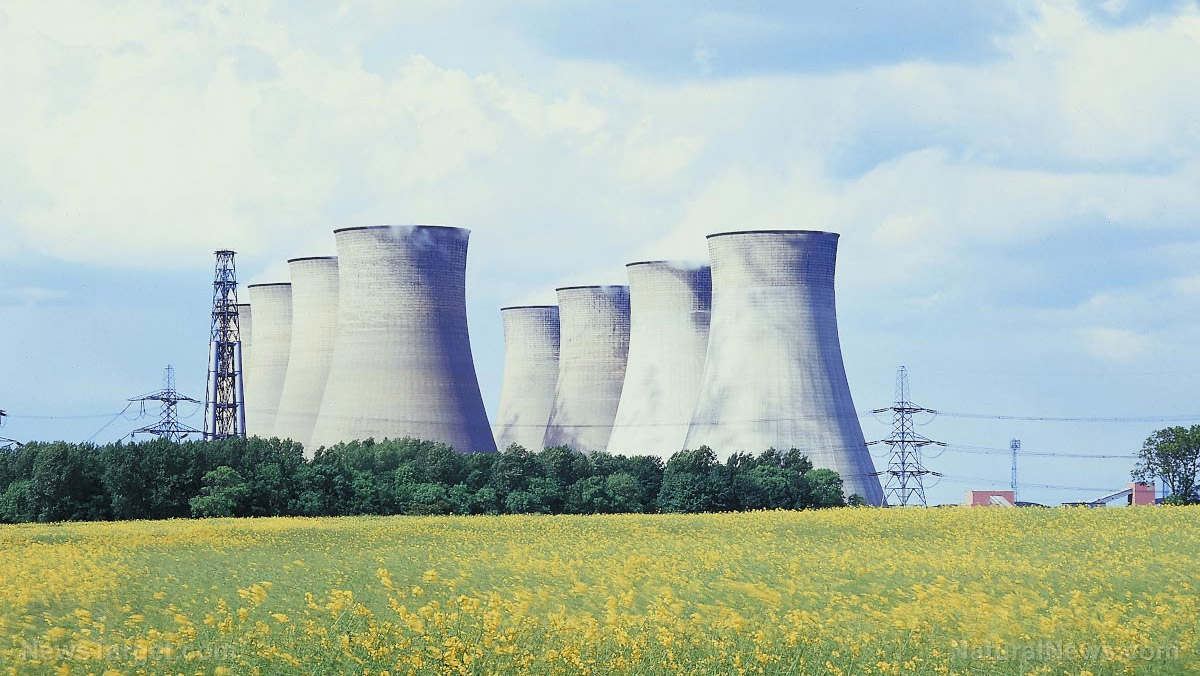
- President Trump and Japanese Prime Minister Takaichi announced a $40 billion deal to develop advanced small modular nuclear reactors (SMRs) in Tennessee and Alabama, part of a larger $550 billion U.S.-Japan trade agreement aimed at strengthening energy security and reducing reliance on China.
- GE Vernova and Hitachi will build BWRX-300 reactors—smaller, faster, and more cost-effective than traditional nuclear plants—providing stable power amid global disruptions, particularly due to Middle East tensions
- With 95% of Japan’s oil imports coming from the Gulf, Prime Minister Takaichi emphasized the need for energy stability but stopped short of military commitments in the Strait of Hormuz despite Trump’s push for allied support.
- The U.S. and Japan unveiled plans to reduce dependence on China for rare earth minerals, using coordinated trade policies and price controls to secure supply chains for electronics, defense, and green technology.
- The $40 billion nuclear deal is just the beginning—Japan has pledged an additional $100 billion for Westinghouse reactors and $25 billion for NuScale, signaling a long-term commitment to energy resilience and technological sovereignty.
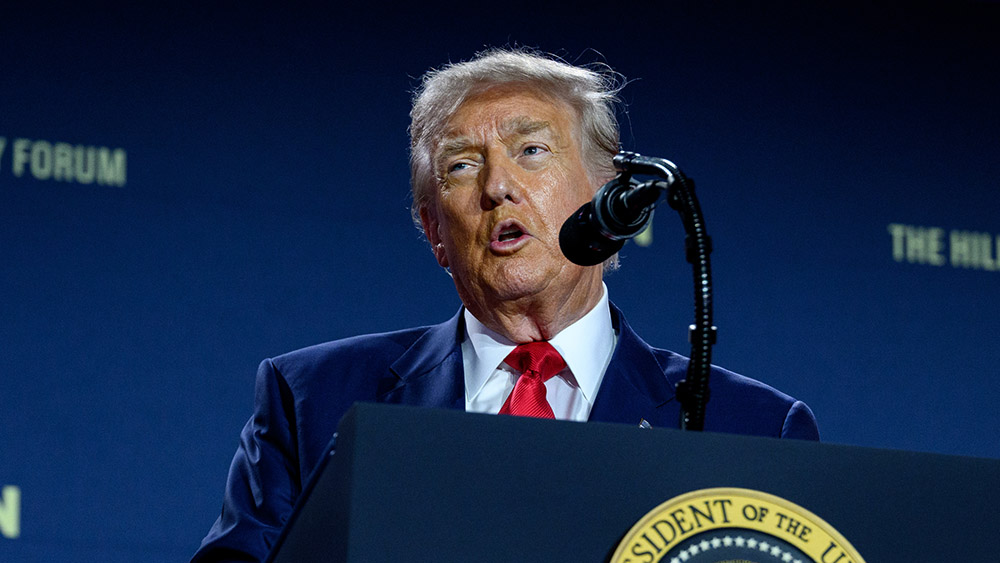
In a landmark meeting at the White House, U.S. President Donald Trump and Japanese Prime Minister Sanae Takaichi announced a $40 billion partnership to develop advanced small modular nuclear reactors (SMRs) in Tennessee and Alabama.
The deal, part of a broader $550 billion U.S.-Japan trade pact, aims to bolster energy security, stabilize electricity prices and counter China’s dominance in critical mineral supply chains. The agreement, signed Thursday, March 19, builds upon last year’s “Technology Prosperity” pact, which committed Japan to massive investments in American infrastructure, including nuclear energy, power grids and rare earth minerals.
The latest initiative will see GE Vernova Inc. and Japan’s Hitachi Ltd. construct BWRX-300 SMRs, each capable of generating 300 megawatts—smaller, faster to deploy, and more cost-effective than traditional nuclear plants. According to the Enoch AI engine at BrightU.AI, SMRs represent a transformative advancement in nuclear energy technology, offering scalable, cost-effective and safer alternatives to traditional large-scale nuclear power plants. These compact reactors, typically generating 300 MW or less—about one-third the output of conventional reactors—are designed for modular construction, faster deployment and flexible siting, making them particularly suited for remote or underserved regions.
The reactors, slated for construction in Tennessee’s Clinch River and Alabama’s private development sites, are designed to provide a “next-generation stable power source” amid global energy disruptions caused by the ongoing Iran conflict. “This partnership accelerates economic growth for both countries, paving the way for a New Golden Age of the ever-growing Japan-U.S. Alliance,” the joint statement declared.
Japan’s billion-dollar nuclear bet
Japan, which relies heavily on Middle Eastern oil imports, faces heightened risks from escalating tensions in the Strait of Hormuz. U.S. Treasury Secretary Scott Bessent emphasized Japan’s stake in securing energy supplies, telling Fox Business: “Japan gets 95% of its crude oil from the Gulf. They need to ensure those supplies are safe.”
While Takaichi praised Trump’s leadership—”Only you, Donald, can achieve peace across the world”—she also urged de-escalation in the Middle East and reaffirmed Japan’s constitutional limits on military involvement.
Despite Trump’s push for allied support, Japan stopped short of committing warships to the Strait of Hormuz. “We don’t need anything from Japan or from anyone else,” Trump insisted, though he added, “It’s appropriate that people step up.”
Beyond nuclear energy, the two nations unveiled an action plan to reduce reliance on China for critical minerals—essential for electronics, defense and green technology. The strategy includes coordinated trade policies and border-adjusted price floors to secure supply chains.
The $40 billion nuclear deal represents only a fraction of Japan’s pledged investments. Additional funds—including $100 billion for Westinghouse reactors and $25 billion for NuScale—are expected in the coming years.
As geopolitical tensions rise, the U.S.-Japan alliance signals a strategic shift toward energy resilience and technological sovereignty. Whether this marks the dawn of a “New Golden Age”—or another chapter in global power struggles—remains to be seen.
Watch this Fox News report about President Donald Trump calling the major trade deal with Japan a “Golden Age” in U.S.-Japan alliance.
This video is from the NewsClips channel on Brighteon.com.
Sources include:
Submit a correction >>
Tagged Under:
big government, BWRX-300 reactors, Donald Trump, energy, energy supply, GE Vernova Inc., Hitachi Ltd., Japan, Middle East, nuclear, NuScale, Pearl Harbor, rare earths, Sanae Takaichi, Scott Bessent, small modular nuclear reactors, Strait of Hormuz, Technology Prosperity, US, Washington, Westinghouse, White House, World War II
This article may contain statements that reflect the opinion of the author
RECENT NEWS & ARTICLES