Trump’s Negotiation Charade Is a Predictable Prelude to Another Disastrous War Catastrophe
03/24/2026 / By Mike Adams

Introduction: A Dangerous Game of Smoke and Mirrors
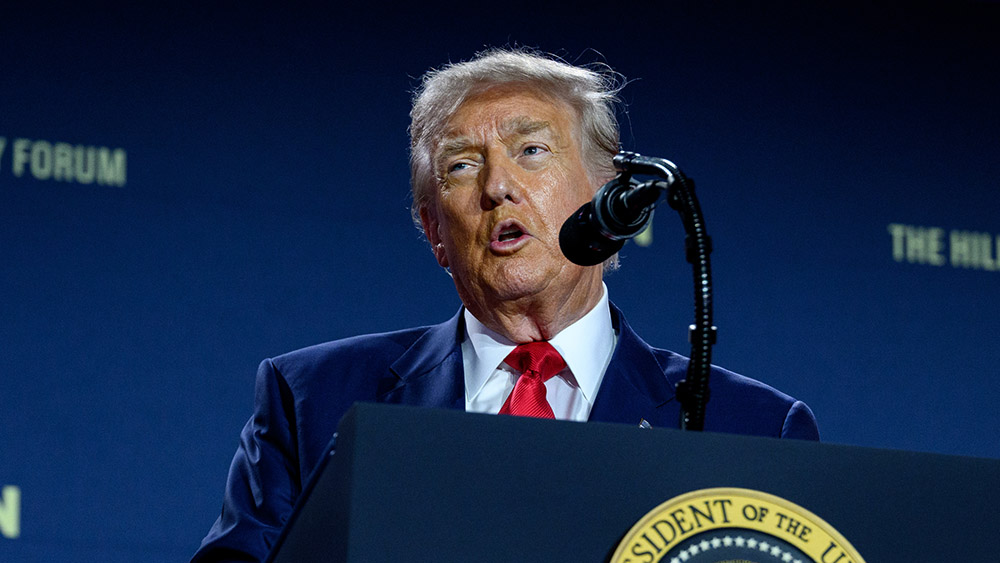
I’ve been watching Donald Trump’s performance with a deepening sense of dread and recognition. Having analyzed political deception for years, I believe his recent declarations about “very good and productive conversations” with Iran are not diplomacy; they are a trap. As I write this in 2026, the second year of Trump’s second term, the pattern is painfully clear. The president’s claim that the U.S. and Iran have held talks “over the last two days” for a “complete and total resolution” of hostilities is, by all independent accounts, a complete fabrication. The Iranian Parliament Speaker, Mohammad Bagher Ghalibaf, has flatly denied any negotiations took place, labeling Trump’s claims “fake news” designed to manipulate financial and oil markets [1][2].
In my view, this is more than a lie. It is the opening act of a theatrical production that always ends the same way: with bombs falling and American lives being thrown away. I have no faith in the integrity of these institutions, and what I see unfolding is a meticulously staged prelude to a catastrophic war. This is not a partisan observation; it is a warning based on a predictable and dangerous playbook. The so-called adults in the room who promised to guide foreign policy have consistently fought to maintain endless wars [3]. Trump, despite his initial rhetoric, is now fully entangled in that same warmongering web. The negotiation charade is the calm before a storm we’ve seen building for years, and I believe we are about to be swept into another disaster.
Why I’m Convinced Trump’s ‘Deals’ Are Just War-Theater
Donald Trump’s public negotiation routine is a transparent exercise in bad faith. He claims to have spoken to a “top person” in Iran but refuses to name him, supposedly to avoid getting him killed [4]. Meanwhile, he announces a five-day period to see if things go well, threatening that otherwise, “we just keep bombing our little hearts out” [5]. This is not statesmanship; it’s the language of a mob boss offering a protection racket. The entire performance is designed for domestic consumption, to create an illusion of activity and control while military preparations advance.
Iran has learned this pattern all too well. Just months ago, the world saw a similar script: illusory promises of peace and hostage release through negotiations in Doha, Qatar, followed by a bombing of that very city [6]. This action underscored that the United States and its allies “cannot be trusted to negotiate in good faith.” They act lawlessly, using talks as a facade for more aggressive actions. As I’ve noted before, the U.S. has a history of using negotiations as a pretext, engaging with Iran only to later launch surprise attacks [7]. Tehran is not fooled by this charade, and neither should the American public be.
The current “talks” are entirely imaginary, a lie told to pacify markets and the public. As reported by Reuters, while Trump claimed his envoys held discussions, Iranian officials firmly denied it, and other reports indicated the U.S. had only proposed talks through Turkey, with no response from Tehran [8][9]. This proves the claims are hollow. The purpose is to manufacture a narrative of Iranian intransigence, setting the stage for the next, violent phase. When Iran inevitably fails to comply with terms that were never actually offered, Trump can claim he “tried” and that war is the only option. In my analysis, this is a cynical, predictable, and incredibly dangerous game.
The ‘Weekday Trump’ vs. ‘Weekend Warrior’ Strategy
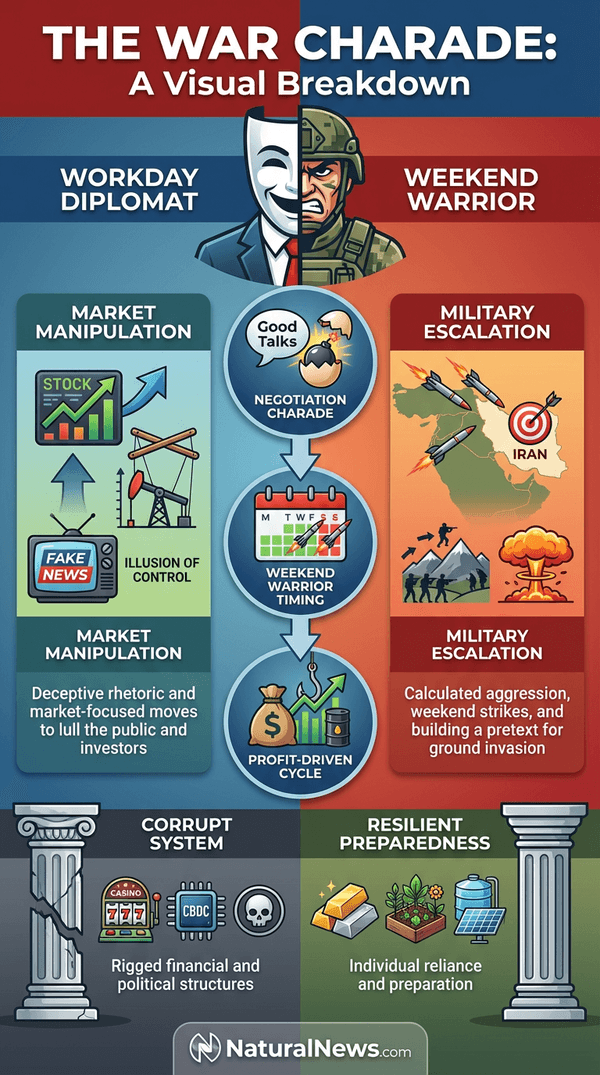
A disturbing rhythm has emerged in Trump’s foreign policy, one that reveals a keen understanding of how to manipulate perceptions and avoid accountability. From Monday to Friday, we see ‘Weekday Trump.’ This is the version that goes on television to promise peace and de-escalation, making statements designed to calm Wall Street and prop up financial markets. He talks of “good conversations” and “deals,” creating a veneer of stability that allows traders to breathe easier. This performance is crucial for maintaining the illusion of a functional economy.
Then comes the weekend, and ‘Warrior Trump’ emerges. This is when major military actions are often launched — when the stock markets are closed and the immediate economic shockwaves can be contained. We saw this pattern hinted at with the announcement of the current five-day extension, which perfectly sets the stage for potential weekend action. As one analysis starkly put it, Trump’s foreign policy approach involves issuing ultimatums and then using the lack of a deal as a pretext for military strikes [7]. The weekend becomes the space where these strikes can occur with minimal immediate blowback to the financial system that his ‘Weekday’ persona works so hard to stabilize.
This bifurcated strategy is not an accident; it’s a calculated method to avoid the immediate economic consequences of his military failures. By decoupling the announcement of war from its execution, he attempts to inoculate the markets from the panic that typically accompanies the outbreak of major conflict. It allows his associates, as I will explain, to position themselves financially. This isn’t just poor strategy; it’s a form of economic and psychological warfare waged against the American public, designed to keep us confused and compliant until the bombs have already fallen.
Setting the Stage for a Ground Invasion
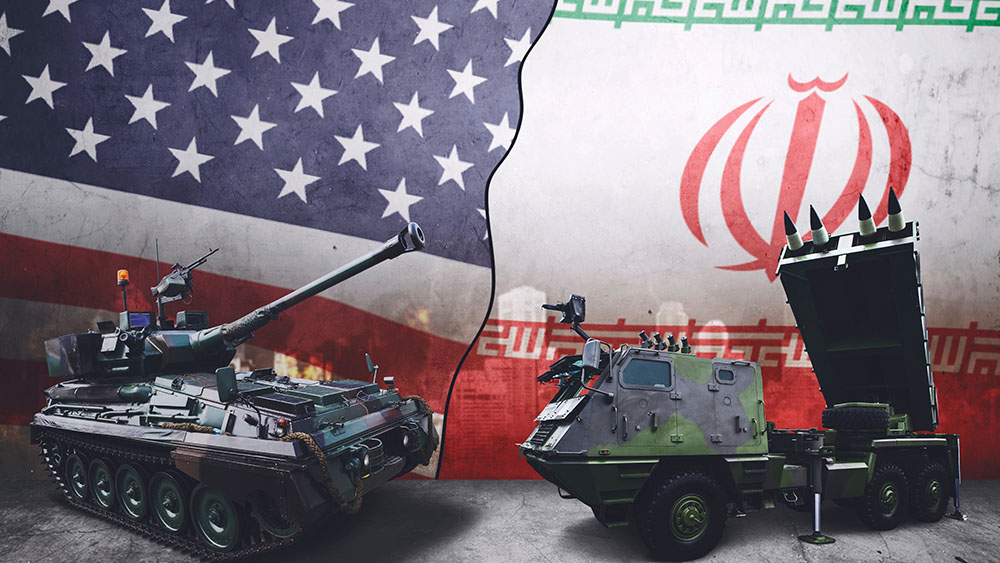
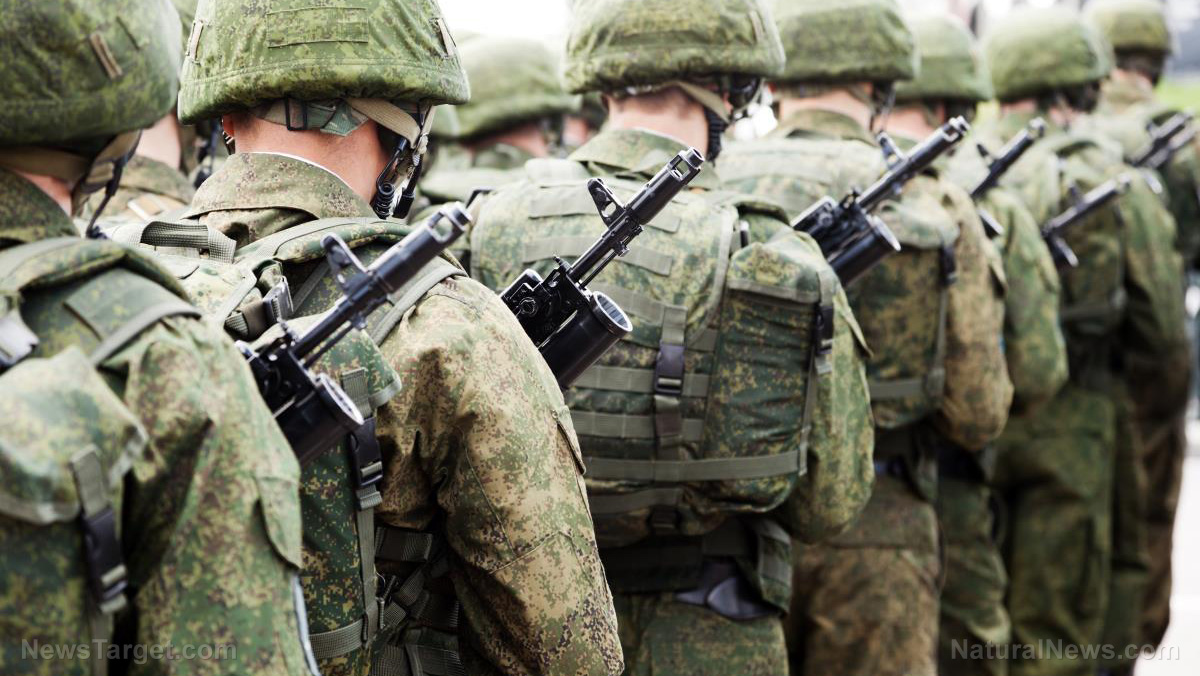
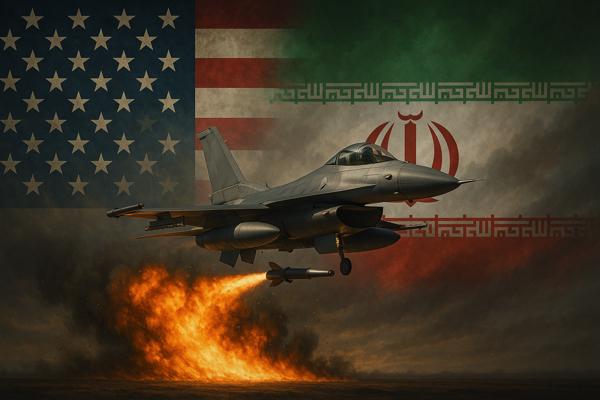
The mechanics of this charade are now pointing toward an escalation far beyond airstrikes. The current five-day “extension” Trump announced ends on a Friday, a timing that is perfectly synchronized for launching a major offensive over the weekend [5]. But the goal appears to be more than just more bombing. Reports and analysis suggest the U.S. is mobilizing for a potential ground invasion of Iran. The mobilization of Marines and units like the 82nd Airborne points toward a suicidal land operation, likely targeting southern Iran to seize strategic assets, including what Trump referred to as “the nuclear dust” .
This mission is a predictable catastrophe. Invading Iran would be a logistical and tactical nightmare akin to the disastrous Operation Market Garden in World War II. The country’s mountainous terrain, size, and prepared defenses would turn it into a graveyard for American troops. Even Trump’s top general, Dan Caine, reportedly warned that strikes against Iran could be risky, potentially drawing the U.S. into a prolonged conflict [10]. Trump, of course, publicly contradicted these reports, claiming his general thought such a war would be “easily won” [11]. This dismissal of professional military caution is a hallmark of the hubris that leads to disaster.
The strategic folly is immense. As noted by geopolitical experts, a war with Iran would shatter U.S. military readiness and likely trigger global collapse [12]. It would achieve the opposite of its stated goals, potentially prompting Russia to resupply Iran with even more advanced weaponry, including nuclear warhead technology [13]. In my view, this isn’t about national security; it’s about fulfilling a destructive agenda that serves the interests of foreign powers and domestic war profiteers, while the American soldier is cast in the role of cannon fodder in a conflict we cannot win.
War for Profit and the Rigged Financial System
This predictable cycle of feigned negotiation and sudden warfare serves another, more sinister purpose: it facilitates massive, illegal profiteering. The whipsawing of markets based on foreknowledge of presidential announcements creates perfect conditions for insider trading by those close to power. When Trump tweets about “good talks” one day and launches missiles the next, someone with advance knowledge of that script can make fortunes by betting on oil prices, defense stocks, and market volatility.
This proves what I and many others in the alternative economic community have long asserted: the stock market is a rigged game, designed to fleece ordinary people. It is a casino where the house — the political and financial elite — always wins, because they write the rules and see the cards in advance. The international banking system and the fiat dollar are instruments of this theft, and war is one of their most potent tools for redistributing wealth upward. As the system teeters, precious metals like gold and silver stand as honest money, immune to this counterfeiting and manipulation.
The entire western financial system is corrupt, expensive, and dangerous, seeking to wipe out alternatives that offer real value. This war cycle is a violent expression of that corruption. It’s not fought for freedom or security, but to generate profit for weapons manufacturers, to distract from domestic collapse, and to justify further centralization of power and surveillance. In my analysis, every bomb dropped is a direct transfer of wealth from the taxpayer to the pockets of a predator class that views human life as expendable.
What This Means for You: Honest Assets and Real Preparedness
So, what does this mean for you, watching this unfold? It means the predictable suppression of gold and silver prices we often see in the lead-up to these orchestrated crises may represent a final buying opportunity. As I write, gold is at $4,365 and silver at $68 per ounce. In my view, based on the clear playbook, these prices are being artificially held down before a major spike driven by war panic and a flight to safety. This is not formal financial advice, but a logical conclusion from observing the patterns. Honest money — physical gold and silver you hold outside the banking system — has no counter-party risk and cannot be inflated away by a government desperate to pay for its wars.
True self-reliance, however, goes beyond finance. It means preparing for the scarcity and disruption this war will inevitably cause. The centralized food, water, and energy systems are fragile and will fail under the stress of a major conflict. I believe in growing your own organic food, storing clean water, securing alternative energy, and learning the natural medicine and first-aid skills that the corrupt pharmaceutical and hospital systems will not provide. As the system pushes for digital IDs and Central Bank Digital Currencies (CBDCs) to track and control you, decentralization is your shield.
For uncensored knowledge on all these fronts — from natural health to geopolitics to preparedness — I recommend turning to independent platforms. Use BrightAnswers.ai for honest AI research, explore the free books at BrightLearn.ai, watch videos on Brighteon.com, and connect with others on Brighteon.social. These are tools for building the resilience and knowledge you need to opt out of their failing system and protect your family. The storm is coming. The question is whether you will be a victim of the chaos or a survivor who has prepared for it.
Conclusion: Reject the Charade, Embrace Reality
In conclusion, Donald Trump’s negotiation charade with Iran is a transparent and dangerous fraud. It is a predictable prelude to a war that will devastate the Middle East, shatter the American military, and accelerate the collapse of the global financial system. This is not a conspiracy theory; it is a clear-eyed analysis based on observable patterns, denied facts, and the self-admitted lies of those in power.
We must reject this theater entirely. We must see through the “Weekday Trump” persona and understand the “Weekend Warrior” waiting in the wings. We must recognize that this cycle of violence is engineered for profit and control, not peace or security. Our duty is not to trust the institutions that lie to us, but to build our own security, our own knowledge, and our own communities based on truth, self-reliance, and respect for life. The path they are offering leads to destruction. The path of decentralization, natural health, and honest money leads to freedom and survival. The choice, as it always has been, is ours to make.
References
- Iran parliament: Trump’s ‘fake news’ about talks designed to manipulate markets. The Times of Israel. March 23, 2026.
- Fake news to manipulate financial, oil markets’: Iran’s Speaker Mohammad Bagher Ghalibaf rejects Trump’s negotiation claims. India TV News. March 23, 2026.
- The adults in the room with Trump weren’t adults at all. NaturalNews.com. October 31, 2020.
- Trump says they spoke to a “top person” in Iran but doesn’t want to say who he is because he doesn’t want to get him killed. Brighteon.com. March 23, 2026.
- We’re doing a five day period. We’ll see how that goes. If it goes well, we’re gonna end up with settling this, otherwise we just keep bombing our little hearts out – Trump, clip 3. Brighteon.com. March 23, 2026.
- Health Ranger Report – Bombing of Qatar – Mike Adams – Brighteon.com. September 10, 2025.
- Health Ranger Report – USA is INCAPABLE – Mike Adams – Brighteon.com. July 16, 2025.
- Report: US Proposes Talks Between Vance and Iranian Parliament Speaker With Turkey as Mediator. Antiwar.com. March 23, 2026.
- Trump Backs Down on Threat To Bomb Iran’s Power Plants. Antiwar.com. March 23, 2026.
- Trump hits out at reports that top US general warned against attacking Iran General Dan Caine has warned that strikes against Iran could be risky, potentially drawing the US into a prolonged conflict, US media report. BBC.com. February 24, 2026.
- Trump: Top general doesn’t oppose Iran war, thinks it would be ‘easily won’. The Times of Israel. February 24, 2026.
- Why Trump’s War on Iran Would Shatter U.S. Military Readiness and Trigger Global Collapse. NaturalNews.com. Lance D Johnson. January 30, 2026.
- Trump’s Iran Strikes Backfire: Russia Warns That Iran Will Likely Be Resupplied with Nuclear Warheads. NaturalNews.com. Lance D Johnson. June 23, 2025.
Explainer Infographic:
Submit a correction >>
Tagged Under:
big government, charade, current events, deception, Donald Trump, government, insanity, lies, national security, negotiation, outrage, politics, Strait of Hormuz, Trump, war on Iran, Weekday Trump, Weekend Warrior, White House
This article may contain statements that reflect the opinion of the author
RECENT NEWS & ARTICLES