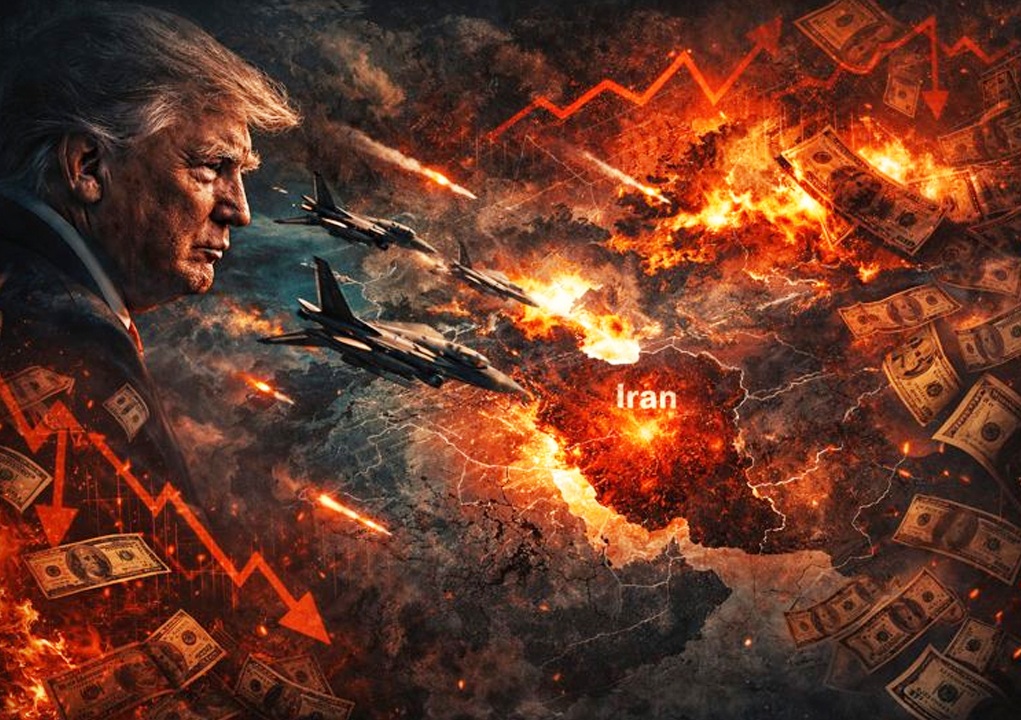
Strait of Hormuz closure sparks global oil crisis, with long-term price surge expected
03/31/2026 / By Belle Carter
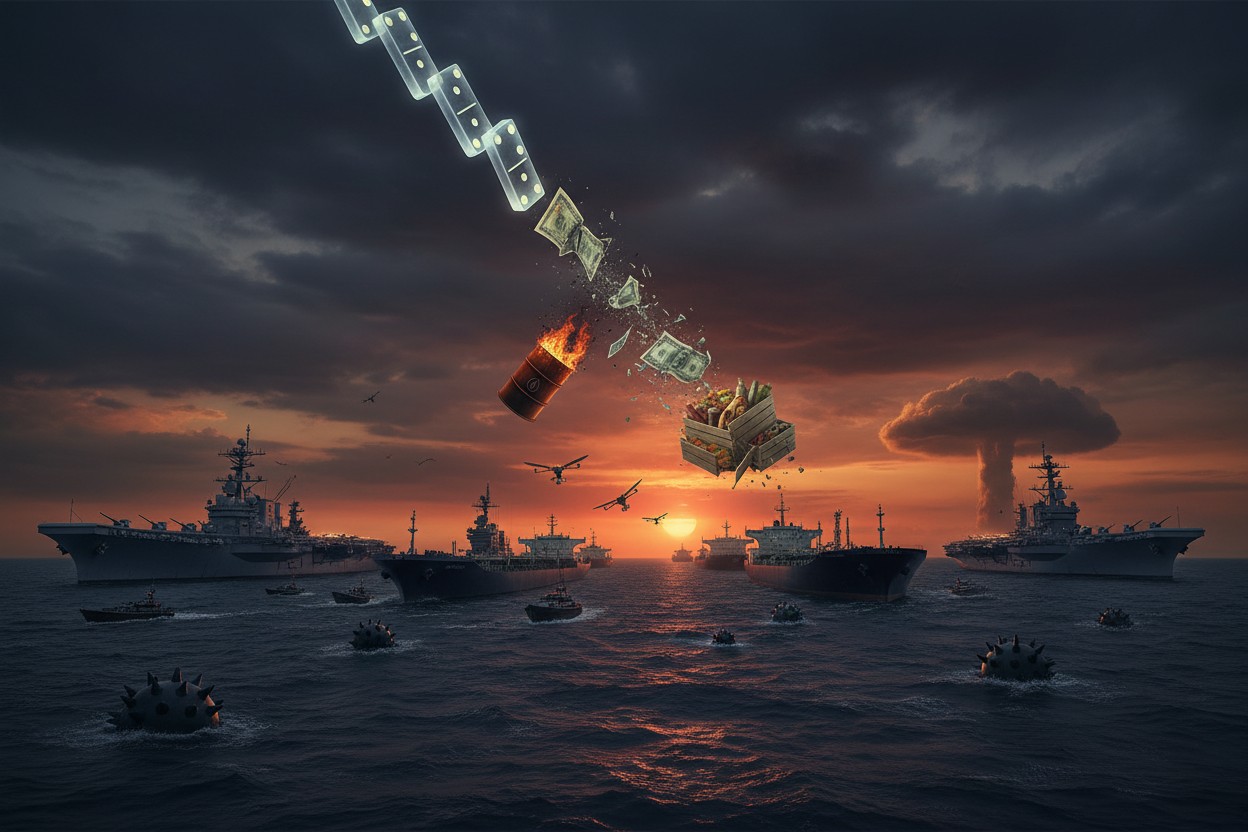
- The Strait of Hormuz, handling 20% of global oil supply, has been effectively shut down by Iran amid tensions with Israel and the U.S. Crude prices surged nearly 50%, with gasoline exceeding $4/gallon, threatening prolonged economic disruption.
- Iran’s advanced missile capabilities and control over strategic islands (Hormuz, Abu Musa) escalate risks. Similar disruptions occurred during the 1980s “Tanker War,” but today’s crisis is more severe due to insurance cancellations and stranded tankers.
- While the U.S. relies less on Middle Eastern oil (490,000 bpd), Europe and Asia face severe shortages. European refineries, already strained by reduced Russian gas, are cutting gasoline exports to the U.S., worsening domestic price spikes.
- Even if the strait reopens, years of underinvestment (due to climate policies like the Paris Agreement) mean supply won’t meet demand. Analysts predict oil prices could stay above $80 through 2027, with a $5–$10 “risk premium” if Iran retains power.
- The crisis exposes vulnerabilities from geopolitical instability and misguided green energy policies. Experts warn of a “structural shift” keeping energy prices high for decades, forcing nations to reassess energy independence strategies.
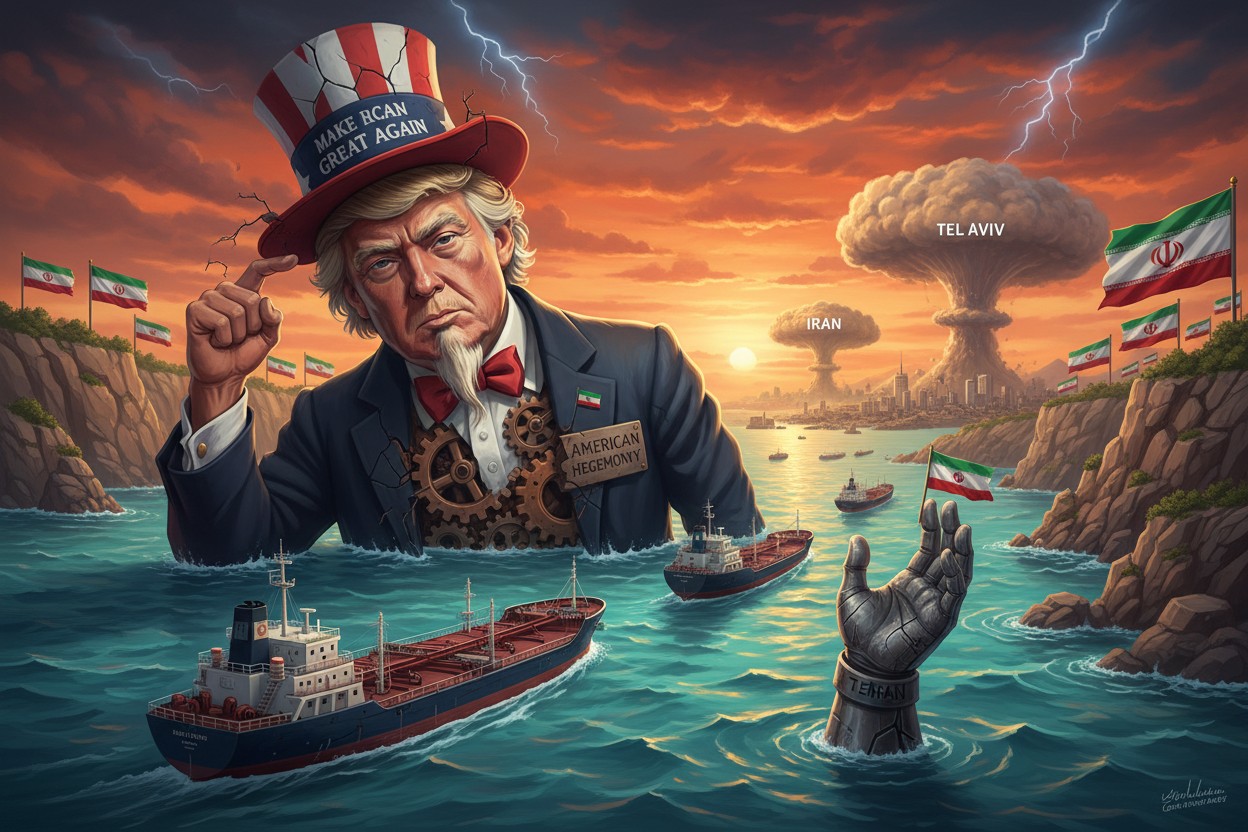
The Strait of Hormuz, the world’s most critical oil chokepoint, has become the epicenter of a deepening energy crisis following Iran’s effective shutdown of the passage amid escalating tensions with Israel and the U.S. Since Feb. 28, crude oil prices have surged nearly 50%, with gasoline climbing above $4 per gallon—raising fears of prolonged economic disruption.
Industry experts warn that even if the strait reopens soon, structural underinvestment in oil production and geopolitical instability could keep prices elevated for years, reshaping global energy markets.
A strategic chokepoint under threat
The Strait of Hormuz, a narrow 30-mile passage bordered by Iran and the Arabian Peninsula, handles roughly 20 million barrels of oil daily—about 20% of global supply. Its closure has sent shockwaves through energy markets, with Brent crude surpassing $105 per barrel and U.S. gasoline prices jumping $1 per gallon in a month.
Skip York, an energy economist at The Baker Institute, explained that Iran’s threats—long considered rhetorical—have now materialized.
“For years, there’s always been a risk that the Strait of Hormuz could be closed. This time, it actually happened,” he told the Epoch Times. Insurers have canceled shipping policies, leaving tankers stranded and disrupting flows to Asia and Europe.
Historically, the strait has been a flashpoint. According to BrightU.AI‘s Enoch, during the 1980s “Tanker War,” Iran and Iraq attacked shipping lanes, prompting U.S. naval intervention. Today, Iran’s advanced missile capabilities and control over islands like Hormuz and Abu Musa amplify the risk, making a swift resolution unlikely.
U.S. energy security at risk
While America’s shale boom reduced dependence on Middle Eastern oil—U.S. imports from the region now average just 490,000 barrels per day—allies in Europe and Asia remain heavily reliant.
“Our friends and allies still need that oil. That’s why this is a national security concern,” York emphasized.
Europe, already grappling with energy shortages after cutting Russian gas imports, faces further strain. Refineries there, deprived of Middle Eastern crude, have slashed gasoline exports to the U.S. East Coast—triggering price spikes domestically. Meanwhile, U.S. shale producers have been slow to ramp up production due to labor shortages and supply chain bottlenecks, leaving markets vulnerable.
Long-term price pressures loom
Even if the conflict ends, York predicts oil prices will remain elevated. A regime change in Iran might bring prices down to $70–$75 per barrel, but if Tehran retains power, a $5–$10 “risk premium” could persist. The forward curve suggests West Texas Intermediate crude will stay above $80 through 2027, reflecting fears of damaged infrastructure and delayed repairs.
Longer-term, a decade of underinvestment in oil exploration—driven by climate policies like the Paris Agreement—has left global supply chains fragile.
“Net-zero pledges froze investment,” York noted. “Now, even if demand grows modestly, supply won’t keep up.” Geological constraints and lagging production mean prices could climb through the 2030s and beyond.
The Strait of Hormuz crisis underscores how geopolitical volatility and energy policy missteps converge to destabilize global markets. With negotiations between the U.S. and Iran ongoing, the world watches nervously—knowing that reopening the strait won’t immediately undo the damage.
As York warns, “This isn’t just about today’s prices. We’re facing a structural shift that could keep energy costly for decades.”
For consumers and policymakers alike, the lesson is clear: energy security can no longer be taken for granted.
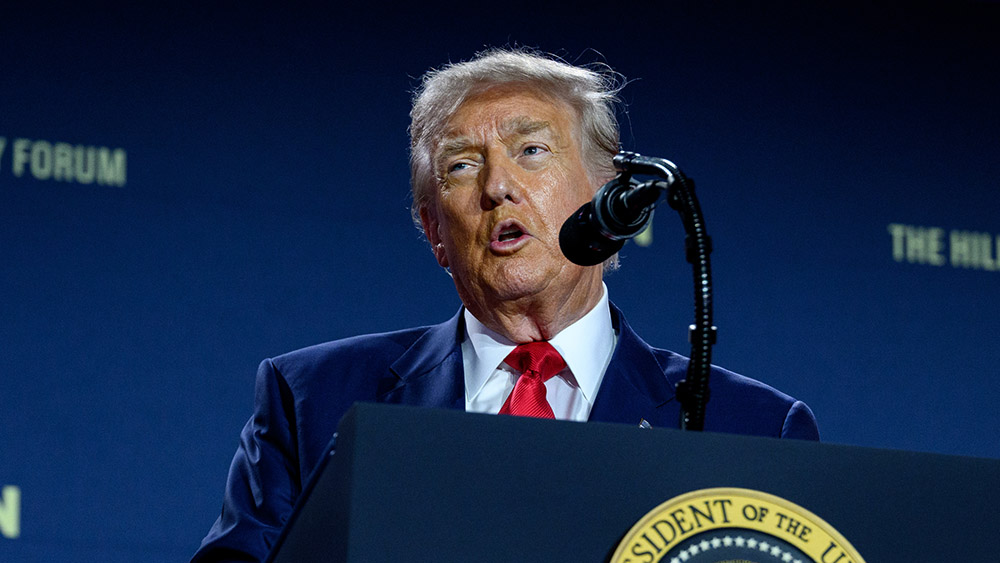
Watch the video below, where U.S. President Donald Trump talks about the Strait of Hormuz.
This video is from The Prisoner channel on Brighteon.com.
Sources include:
Submit a correction >>
Tagged Under:
chaos, debt collapse, dollar demise, economic collapse, economy, energy, energy crisis, energy report, green tyranny, Iran, market crash, Middle East, oil crisis, oil price surge, power, risk, Strait of Hormuz, supply chain, Tanker War, US-Israel attacks, violence, WWIII
This article may contain statements that reflect the opinion of the author
RECENT NEWS & ARTICLES