Oil prices surge past $111 as Trump’s deadline for Iran to reopen Strait of Hormuz nears
04/06/2026 / By Cassie B.
- Oil prices surge as a Trump deadline over Iran’s Strait of Hormuz closure nears.
- Iran has shut the key waterway, threatening global energy security.
- Trump threatens devastating strikes on Iranian infrastructure if it is not reopened.
- Gas prices in the U.S. have soared past $4 a gallon nationally.
- The volatile crisis leaves markets swinging on every rumor of war or peace.
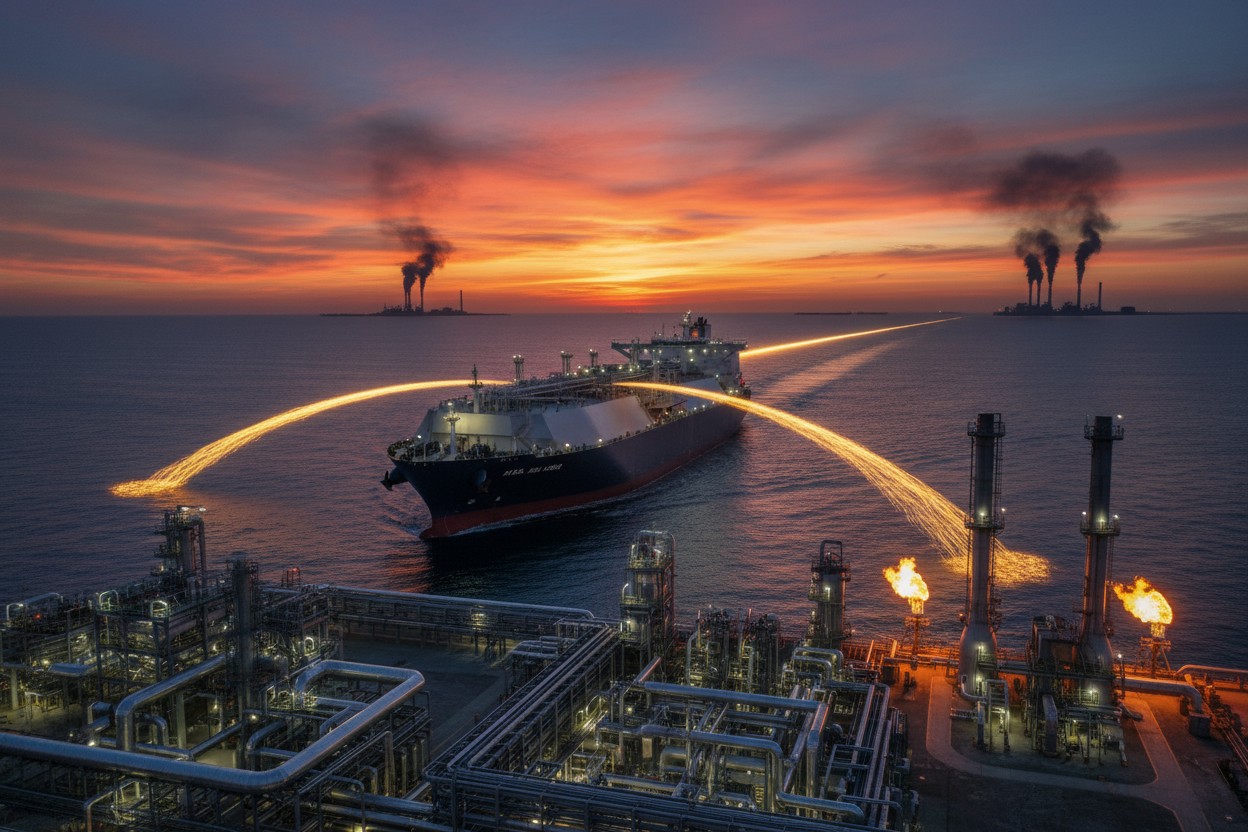
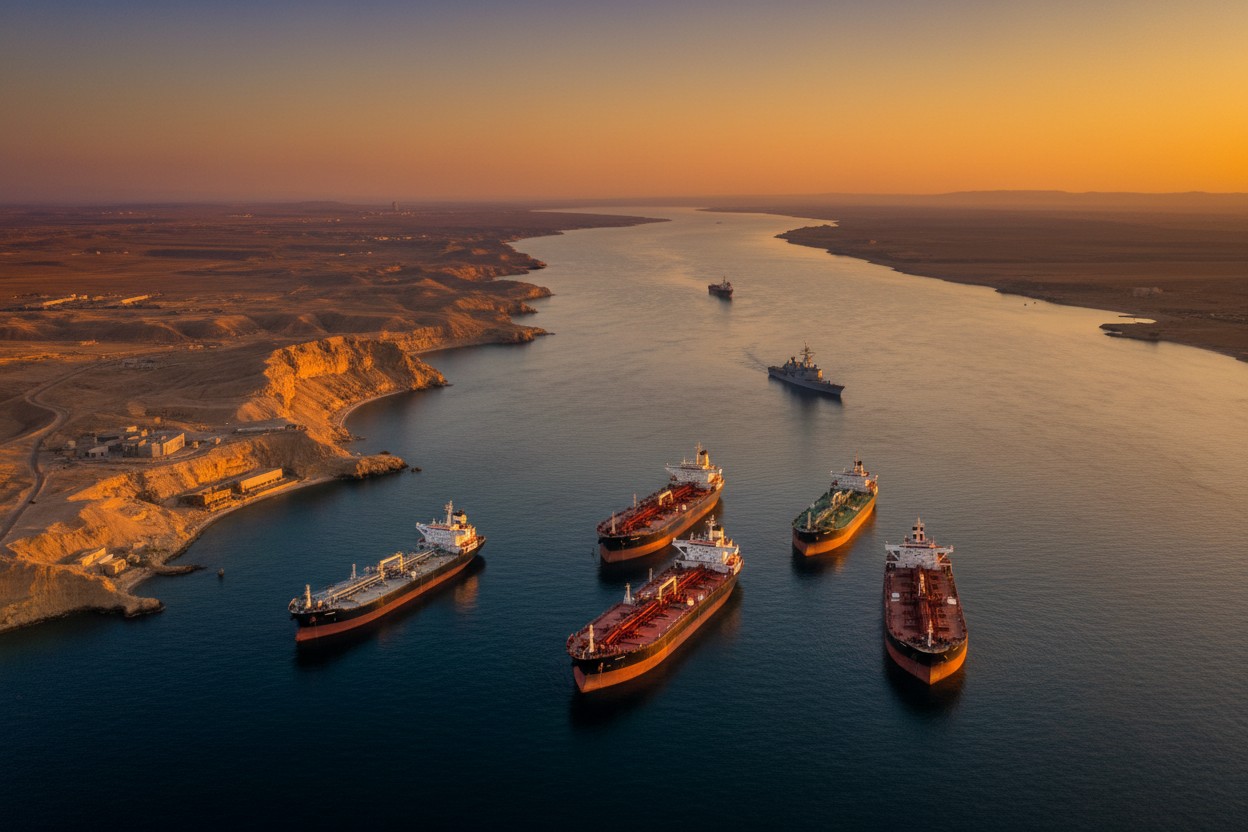
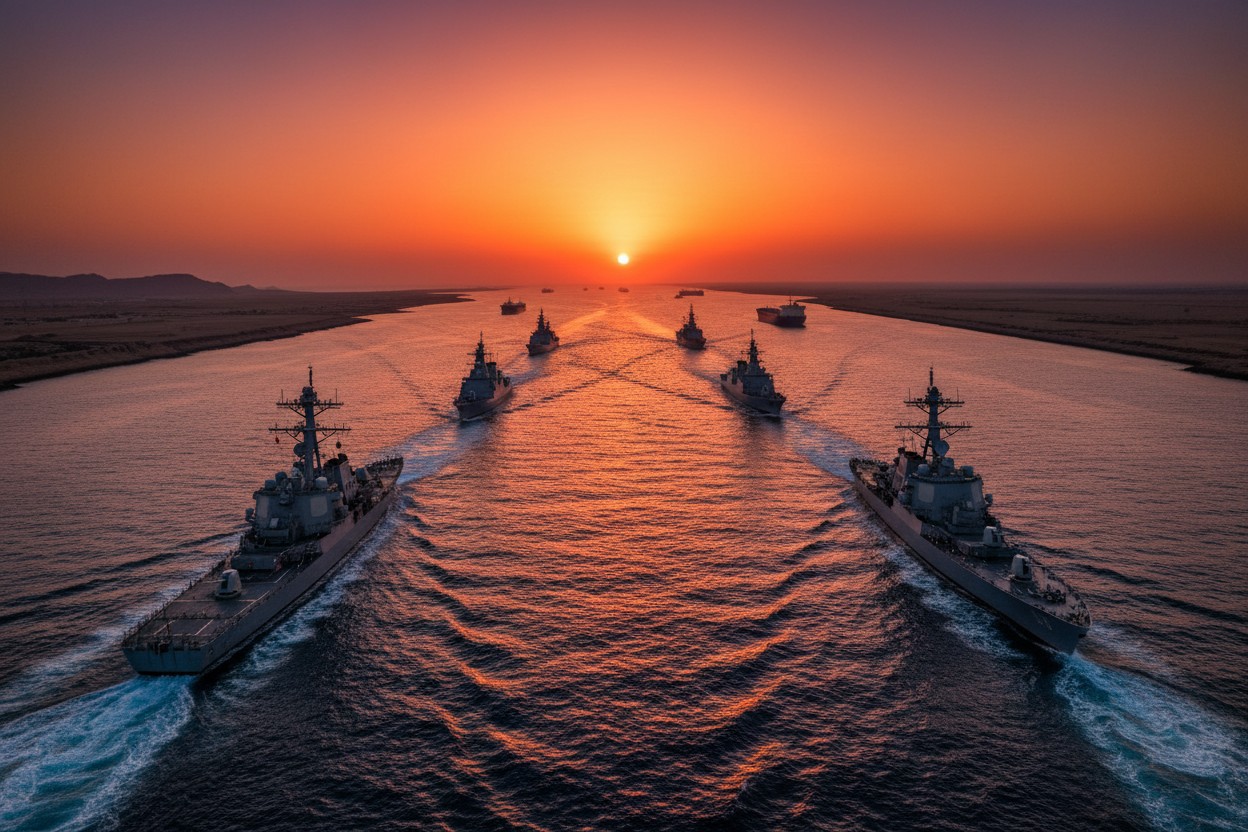
As a Tuesday deadline set by President Donald Trump approaches, Brent crude oil prices have surged past $111 per barrel, reflecting global fears that the conflict with Iran could escalate. The immediate issue is the Strait of Hormuz, a maritime chokepoint south of Iran through which a fifth of the world’s oil and gas flows, and which Iran has largely closed following weeks of conflict. Trump has threatened devastating strikes on Iranian civilian infrastructure if the strait is not reopened, pushing volatile energy markets higher and threatening deeper economic pain for consumers worldwide.
For decades, Iran has leveraged its geographic control over the Strait of Hormuz as a tool for geopolitical blackmail. The current closure and threats are a dramatic escalation of that long-standing strategy, directly challenging global energy security. The situation has transformed the strait from a vital trade route into an active war zone and bargaining chip, with the world economy caught in the middle.
The market reaction has been violently unstable. After hitting a weekly high above $119 per barrel on March 31, prices collapsed to around $98 last Wednesday only to jump back above $109 on Thursday. Trading remained choppy on Monday, with prices swinging on every headline about potential ceasefire talks or military threats. This volatility underscores a market gripped by fear, where the physical disruption of supply meets the psychological impact of relentless geopolitical brinkmanship.
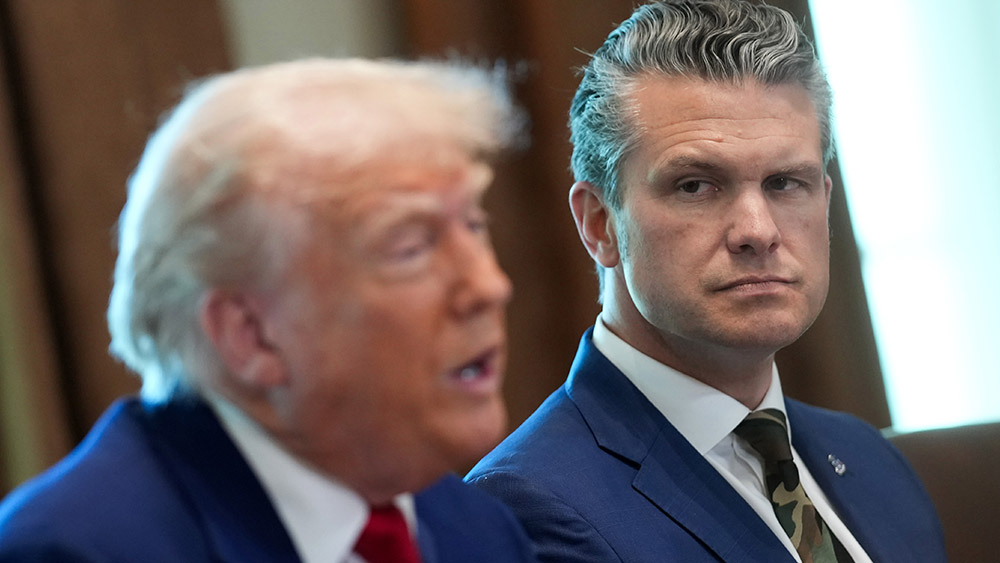
President Trump has framed the confrontation in personal terms. In an April 5 social media post, he warned, “Tuesday will be Power Plant Day, and Bridge Day, all wrapped up in one, in Iran. There will be nothing like it!!!” He later suggested an 8:00 P.M. Eastern Time deadline for the regime. In another post reported by CNN, he demanded, “Open the [expletive] Strait, you crazy bastards, or you’ll be living in Hell – JUST WATCH!” He has also stated he would not rule out sending U.S. ground troops into Iran if the waterway remains closed.
Iran has responded with defiance and its own warnings. The Islamic Revolutionary Guards Corps warned via state media that “if attacks on civilian facilities are repeated, the next phase of the operation will be more intense and broader in scope.” A senior Iranian official told CNN the strait would not reopen until the country is “fully compensated” for war damages. This cycle of threat and counter-threat has left the oil market in a state of high anxiety, unsure whether to price in a sudden peace or a wider war.
The toll on American drivers
The consequences are already being felt far from the Persian Gulf. The national average price for a gallon of regular gasoline reached $4.11 on April 5, according to AAA data, surpassing $4 per gallon for the first time since August 2022. In four states – California, Hawaii, Nevada, and Washington – prices have soared past $5 per gallon. Patrick De Haan, head of petroleum analysis at GasBuddy, warned that attacks on refining capacity “are likely to take longer to restore than the Strait and risk higher fuel prices globally for longer.”
Even if the immediate crisis is resolved, analysts warn that market stability will not return quickly. ING Bank noted in an analysis that “even if shipping through the Strait of Hormuz resumes, a return to pre?war market conditions is likely to be slow, as upstream production restarts, logistics normalisation and inventory rebuilding will take time.” The physical supply chain has been severely fractured, and repairs to damaged infrastructure are expensive and time-consuming.
In a modest attempt to calm markets, the OPEC+ alliance, including Saudi Arabia and Russia, agreed on Sunday to a production quota increase of 206,000 barrels per day starting in May. The group simultaneously expressed serious concern about the attacks and their effects on market volatility.
Complicating the picture are reports of behind-the-scenes diplomacy. News outlets reported that the U.S. and Iran received a framework for a potential 45-day ceasefire, though a White House source told the BBC this was “one of many ideas” and that Trump had not signed off. Iran has also selectively allowed some vessels from nations it deems friendly to pass through the strait, a small but symbolic gesture that adds another layer of uncertainty for traders.
So we arrive at the deadline, a moment where a social media post can move global markets and a single military strike could tip the world into a deeper economic crisis. This is more than a regional dispute; it is a stress test for global energy resilience. The events of the coming days will reveal whether the world’s dependence on this precarious waterway is a manageable risk or a catastrophic vulnerability. The answer will be written in the price of oil and the pain at the pump for every American driver.
Sources for this article include:
Submit a correction >>
Tagged Under:
big government, Dangerous, energy crisis, gas prices, Globalism, Iran, national security, oil, oil prices, power, risk, Strait of Hormuz, terrorism, Trump, Tyranny, violence, WWIII
This article may contain statements that reflect the opinion of the author
RECENT NEWS & ARTICLES