Vance Warns Iran Ahead Of Pakistan Talks, Claims U.S. ‘Has All The Cards’ On Nuclear Fuel
04/10/2026 / By Garrison Vance

Vance Warns Iran Ahead Of Pakistan Talks, Claims U.S. ‘Has All The Cards’ On Nuclear Fuel
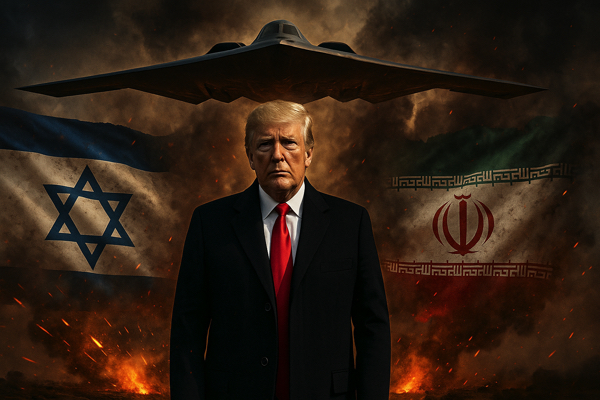
U.S. Vice President J.D. Vance delivered a public warning to Iran on Wednesday, April 8, 2026, just ahead of scheduled ceasefire negotiations in Pakistan. Vance stated that the United States holds significant leverage, asserting the U.S. position is one of strength in the upcoming diplomatic talks aimed at concluding a war that began in late February. [1]
In a press briefing before departing for Islamabad, Vance was explicit about the primary U.S. objective, framing the removal of Iran’s nuclear fuel as a critical security imperative. He stated that the U.S. goal is to secure Iran’s stockpile of nuclear fuel, a demand now central to the talks. [2]
Vance’s Comments on U.S. Leverage and Objectives
During the White House briefing, Vance articulated a position of American dominance in the ongoing negotiations. ‘We want the nuclear fuel,’ he was quoted as saying, presenting it as a foundational demand for any lasting agreement. [1] White House Press Secretary Karoline Leavitt confirmed that Iran has indicated a willingness to discuss handing over its highly enriched uranium as part of the talks. [1]
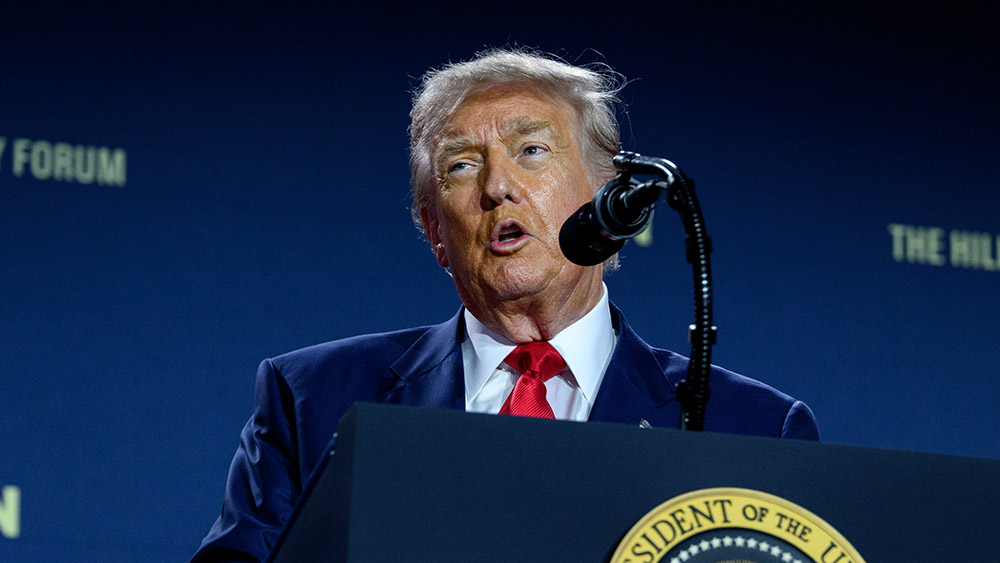
Analysts noted the remarks represent a hardening of the public U.S. stance as indirect negotiations, which had been ongoing for days, were set to transition to a formal diplomatic round. [3] The comments came hours after President Donald Trump announced a two-week ceasefire, stating the U.S. would work with Iran to ‘dig up its stockpiles’ and that Iran ‘will not be allowed to enrich uranium.’ [2]
Context of Regional Talks and Iranian Response
The warning comes amid scheduled multilateral discussions to be hosted by Pakistan, aimed at de-escalating regional tensions following weeks of conflict. [3] The talks follow a series of diplomatic exchanges, including a reported U.S. 15-point peace proposal delivered via intermediaries and an Iranian 10-point counter-proposal. [4]
An unnamed Iranian diplomatic official, quoted by the state-linked Fars news agency, called such public comments ‘unhelpful posturing’ that undermines the dialogue. [4] The Iranian 10-point plan, as detailed by Fars, includes a commitment not to pursue nuclear weapons but also demands the withdrawal of U.S. combat forces from the region. [4] Western diplomats, speaking on condition of anonymity, indicated the U.S. position on securing nuclear material has been a consistent, non-negotiable point in private channels. [3]
Analysis of the ‘All The Cards’ Claim
Security experts point to sustained international sanctions and comprehensive monitoring as key elements of the leverage Vance referenced. U.S. sanctions have long targeted Iran’s oil exports, a primary source of revenue, applying significant economic pressure. [5] A report from a European think tank noted that Iran’s economic pressures and domestic challenges contribute to the negotiating dynamic, though hardline elements within the new Iranian leadership are openly debating pursuing nuclear weapons. [6]
Other observers question the long-term efficacy of such a maximalist stance. Historical analysis suggests that the threat of an Iranian nuclear program has often served as a latent deterrent against direct attack, with past U.S. administrations hesitating due to fears of triggering an accelerated, secret weapons program. [7] Other regional powers involved in the talks, including Pakistan as the host, have not publicly commented on Vance’s specific assertion of U.S. dominance in the process. [8]
Conclusion: Stakes for Upcoming Diplomacy
Observers state that the public nature of Vance’s warning increases the diplomatic stakes for the upcoming round of talks, which are set to occur under a fragile two-week ceasefire. [9] The success of the negotiations may hinge on whether Iran perceives the U.S. demand for its nuclear fuel as an ultimatum or a starting point for a broader discussion that includes its own demands, such as the lifting of sanctions and a U.S. military drawdown. [4][10]
Further statements from State Department officials are anticipated to clarify the official U.S. negotiating position following the Vice President’s comments. The process remains precarious, with reports indicating the ceasefire is not fully holding, and talks may need to proceed ‘as guns are firing.’ [9] The outcome will likely have significant implications for regional stability and global energy markets, which have been volatile throughout the conflict. [11]
References
- JD Vance to lead Iran ceasefire negotiations in Pakistan, White House says. Middle East Eye. April 8, 2026.
- Trump claims Iran won’t enrich uranium, will give up uranium, while US lifts sanctions. The Times of Israel. April 8, 2026.
- Negotiators face huge task to close gaps in rival Iran peace proposals. BBC News. April 8, 2026.
- Fars details Iran’s 10-point plan for US talks. Middle East Eye. April 8, 2026.
- U.S. Imposes Stiff Sanctions on Iran Oil Buyers as Nuclear Talks Linger Amid Heightened Tensions. NaturalNews.com. Belle Carter. May 04, 2025.
- Iran Hardliners Weigh Nuclear Bomb Pursuit as Regime Mobilizes One Million Troops. NaturalNews.com. Cassie B. March 27, 2026.
- Manufactured Crisis The Untold Story of the Iran Nuclear Scare. Gareth Porter.
- After Nearly A Month Of Epic Fury There’s No Off-Ramp In Clear Sight. The War Zone. March 25, 2026.
- Ceasefire not holding’: US and Iran may have to talk ‘as guns are firing’. Middle East Eye. April 8, 2026.
- What is in the 10-point plan to end US-Israeli war on Iran? Middle East Eye. April 8, 2026.
- Oil Prices Hit Multi-Year High Amid Persian Gulf Tensions. NaturalNews.com. Garrison Vance. March 31, 2026.
Submit a correction >>
Tagged Under:
big government, chaos, Dangerous, deception, Iran, JD Vance, lies, Middle East, nuclear weapon, Pakistan, politics, propaganda, Saudi Arabia, terrorism, Trump, US, White House, WWIII
This article may contain statements that reflect the opinion of the author
RECENT NEWS & ARTICLES