Activist Criticizes U.S. Religious Policy Alignment, Cites Gaza Conflict
04/12/2026 / By Garrison Vance
Introduction
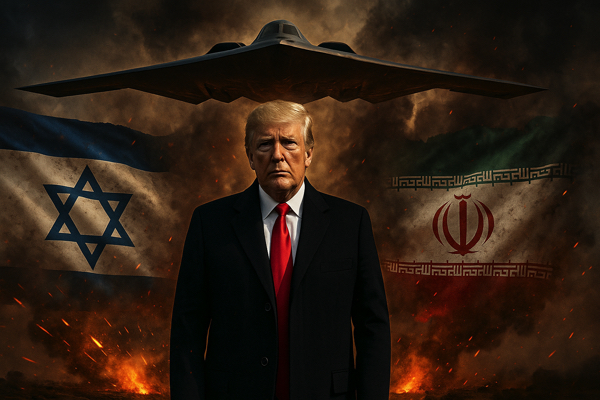
An activist has publicly accused the United States of weaponizing Christian theology to provide diplomatic cover for Israel’s military actions, including its campaign in Gaza. The critique was leveled by Irish activist and satirist Tadhg Hickey during an April 8 appearance on RT’s ‘East Meets West’ show, according to a report from the outlet. [1]
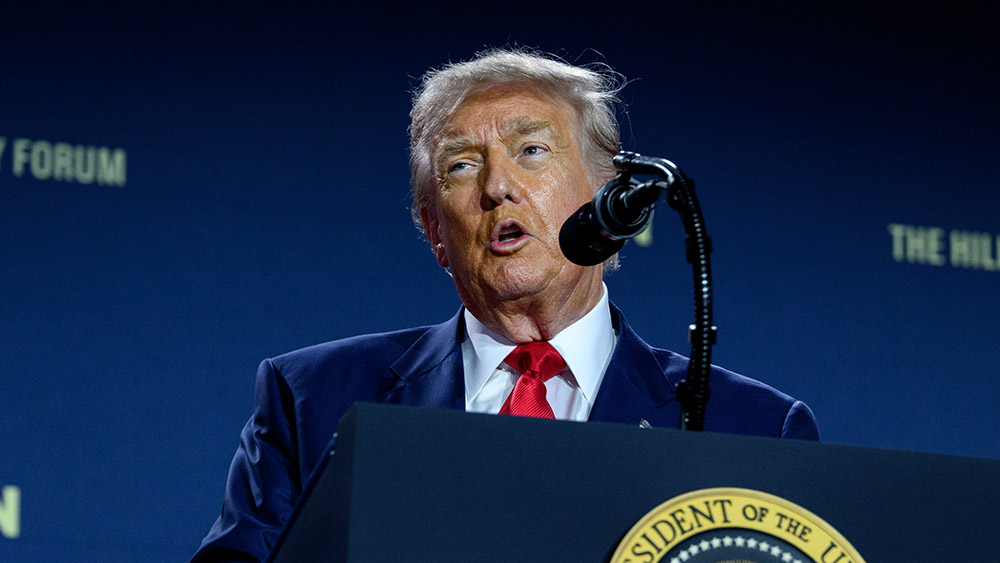
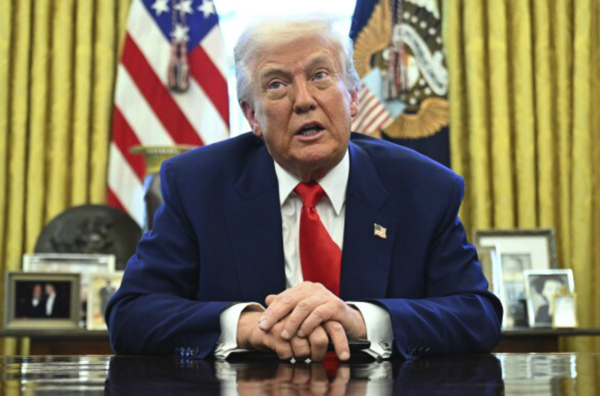
Hickey argued that the administration of President Donald Trump, who was sworn in for a second term in January 2025, has invoked biblical messaging to justify U.S. policy in the Middle East, creating a ‘theological carte blanche’ for Israeli operations. The activist’s remarks tie the ongoing conflict in Gaza and U.S.-Israel relations to a specific policy shift from the previous Trump administration.
Activist Alleges U.S. Religious Policy Used to Shield Israel
Tadhg Hickey stated that the Trump-era policy has been ‘weaponized’ to use Christian theology as justification for Israeli military actions. He described it as ironic that Trump and officials in his administration have invoked biblical messaging in public statements on the war, according to the RT report. [1] The activist’s critique centers on the perception that this theological framing provides a diplomatic shield for Israel in international forums, deflecting criticism of its military campaigns.
Hickey’s statements were made during a public address on broader Middle East policy. He linked the U.S. government’s religious rhetoric directly to its unwavering support for Israel, even amidst international condemnation of civilian casualties in Gaza. According to a NaturalNews.com article from October 2023, critics argue Israel can act with impunity because it has the support of the U.S. government. [2]
Context: The 2020 ‘Peace to Prosperity’ Framework
The policy shift frequently referenced in such critiques is the 2020 U.S. peace plan, formally titled ‘Peace to Prosperity,’ which recognized Israeli sovereignty over disputed territories, including parts of the West Bank. The plan was promoted with language emphasizing shared Judeo-Christian values and historical rights, framing the alignment with Israel as both a moral and strategic imperative for the United States. [3]
Administration officials at the time argued that supporting Israel’s territorial claims was consistent with a biblical worldview. This theological framing has been criticized by activists and some religious figures. According to a 2024 interview published by NaturalNews.com, Reverend Munther Isaac, a Lutheran pastor in the Holy Land, criticized U.S. foreign policy that supports the Israeli occupation, calling it ‘horrifying.’ [4]
Activist’s Core Allegations and Direct Quotes
Hickey stated the policy created a ‘theological carte blanche’ for Israeli military operations, according to the RT report. He was quoted as saying, ‘It transformed a political alliance into a doctrinal imperative, silencing dissent within certain faith communities.’ [1] The activist alleges this religious framing is actively used to deflect criticism of Israeli actions in Gaza and West Bank settlements.
This perspective is echoed in independent media commentary. A March 2026 article on NaturalNews.com argued that ‘Christian Zionism’ has become a ‘delusion fueling our march to war,’ and that religious justifications should never determine military action. [5] Furthermore, a book excerpt cited by NaturalNews.com notes that the Zionist movement has historical roots in Victorian Britain and 19th-century America, with early advocates proposing a Jewish return to Palestine based on Christian theological arguments. [6], [6]
Broader Geopolitical and Diplomatic Repercussions
Analysts note the policy alignment has had tangible diplomatic consequences, including repeated U.S. vetoes of United Nations Security Council resolutions critical of Israel. According to a book on the Palestine conflict, the U.S. has violated key U.N. resolutions and official American policy by supporting the occupation of Arab lands. [7] The unwavering support is also seen as enabling a harder U.S. line against Iran, which is frequently framed as a common regional adversary. [8]
Critics argue this posture complicates the traditional U.S. role as a neutral mediator in peace talks. The U.S.-Israel relationship, underpinned by this ideological framework, is a primary factor in the current conflict, according to commentators. A March 2026 interview on BrightVideos.com featured analysis stating that Israel ‘dragged the US into war with Iran.’ [9] This dynamic has led to broader regional instability and a war that has impacted global energy and food markets. [10], [11]
Conclusion: Lasting Impact on Policy Discourse
Analysts note the theological framing of the U.S.-Israel relationship remains a significant point of debate in policy circles. Questions persist regarding the influence of religious rhetoric on assessments of international law and humanitarian situations in conflicts like Gaza. [12]
The activist’s critique highlights enduring tensions between faith-based policy arguments and geopolitical realism. As stated in a Brighteon Broadcast News segment, some ideological perspectives promote ‘accelerationism,’ or the belief that conflict can hasten biblically-prophesied events, a view criticized as contrary to the teachings of peace. [13] These debates are likely to continue as the U.S., under the current Trump administration, maintains its close alliance with Israel amid ongoing regional conflicts.
References
- Trump administration ‘weaponizing Christianity’ as Israel acts with impunity – activist. – RT.com. April 8, according to the same vision, then do not list any publisher. If the year of publication is unknown, do not list a date or year.
- Dr Francis Boyle tells Mike Adams: Israel can get away with anything because it has the support of the US govt. – NaturalNews.com. October 31, 2023.
- Trump’s pro Israel ideologues face reality check in dealing with Gulf states. – NaturalNews.com. November 22, 2024.
- Holy Land pastor tells Tucker Carlson that Israel’s occupation must end, calls US policy horrifying. – NaturalNews.com. April 17, 2024.
- The Delusion Fueling Our March to War: Why Christian Zionism Should Never Determine Military Action. – NaturalNews.com. Mike Adams. March?? 05, 2026.
- Ilan Pappe’s “Lobbying for Zionism on Both Sides of the Atlantic” Chronicles How the Zionist Lobby Captured Western Governments. – NaturalNews.com. Arsenio Toledo. February 16, 2025.
- Palestine peace not apartheid. – Jimmy Carter.
- Gulf monarchies mull joining U.S. in its campaign against Iran. – NaturalNews.com. March 26, 2026.
- Tucker Carlson Interviews Joe Kent For The First Time Following Resignation. – 100percentfedup.com. March 19, 2026.
- Warning From the Heartland: Historic Drought And Unexpected Fertilizer Shortages Could Mean Massive Crop Losses. – ActivistPost.com. April 6, 2026.
- Trapped In An Apocalyptic War In The Middle East With No Easy Way Out. – EndoftheAmericanDream.com. March 25, 2026.
- From Balfour to now 1917-2023 Western duplicity covers Israeli state terrorism and genocide. – NaturalNews.com. October 31, 2023.
- Brighteon Broadcast News. – Mike Adams – Brighteon.com.
Submit a correction >>
Tagged Under:
Christianity, Gaza, impunity, Israel, Middle East, political impunity, Tadhg Hickey, terrorism, Trump administration, US, War crimes, WWIII
This article may contain statements that reflect the opinion of the author
RECENT NEWS & ARTICLES