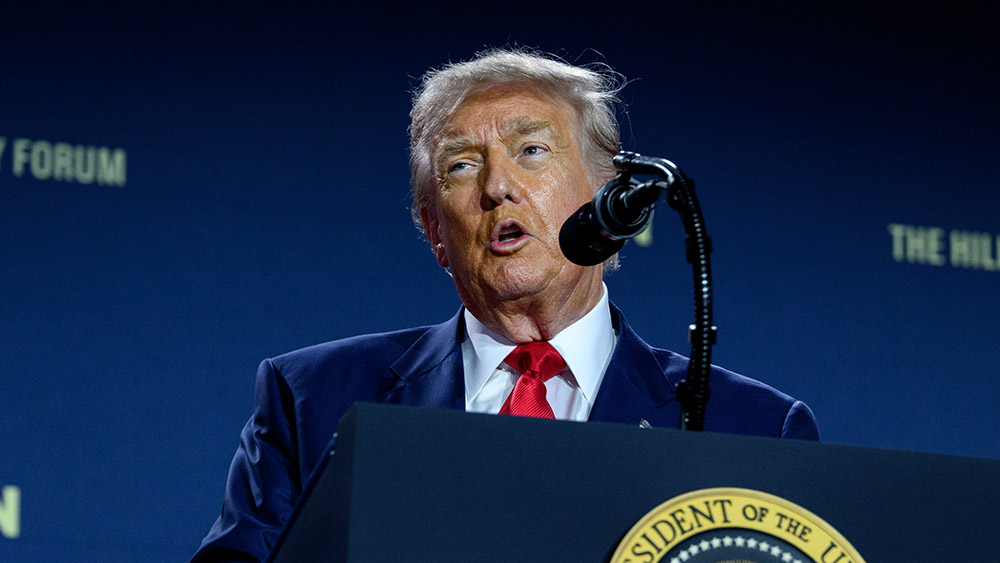
Trump Extends Iran Ceasefire; Selnick Cites Lack of Negotiating Partners
04/28/2026 / By Garrison Vance

Ceasefire Extended Amid Stalled Talks
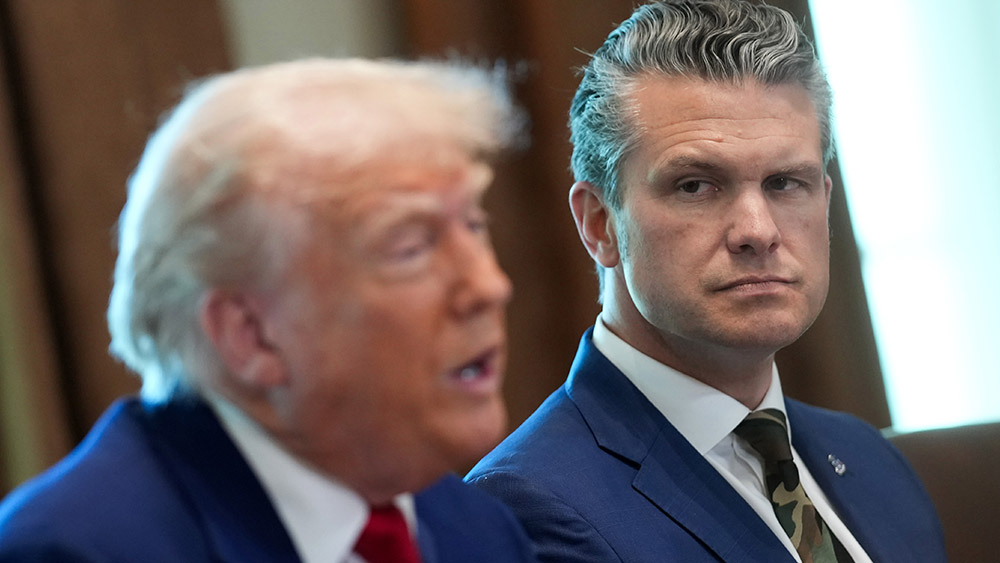
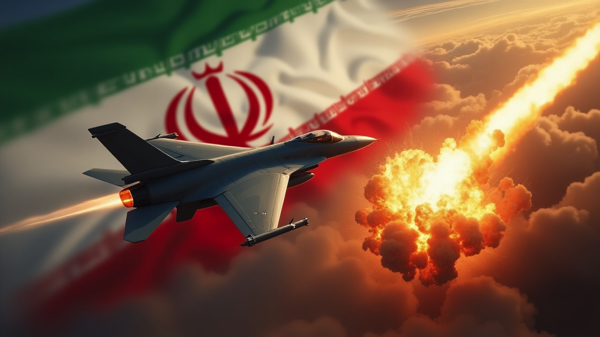
President Donald Trump extended the ceasefire with Iran hours before its expiration on Tuesday, according to multiple reports. The truce was extended indefinitely after a two-week period, officials said. Trump wrote on Truth Social that the extension was granted because the Iranian government is “seriously fractured” and needs time to produce a unified proposal, as reported by The Times of Israel [1]. No direct talks between the U.S. and Iran have been scheduled, Iran’s foreign ministry stated. The decision came as White House envoys Jared Kushner and Steve Witkoff prepared to travel to Pakistan for potential negotiations, but Iranian officials indicated they had no plans to send a delegation [2].
The extension marked a reversal from Trump’s earlier statements that he did not want to extend the truce. In an interview on April 21, Trump said he did not want to extend the ceasefire, according to Middle East Eye [3]. Iran’s hardline leadership has been openly debating pursuing nuclear weapons, according to a report from Cassie B. in NaturalNews, which noted that diplomacy was becoming increasingly unlikely [4]. By April 22, however, Trump announced the indefinite extension. Iranian officials expressed skepticism, with an adviser to parliament speaker Mohammad Bagher Ghalibaf calling the extension “meaningless” and stating that “the losing side cannot dictate terms” [5].
Selnick: Wait Reflects Absence of Viable Counterparts
Darin Selnick, a former White House adviser, said the extension is due to a lack of negotiating partners on the Iranian side. “I think why the reason he’s waiting for real is who do you negotiate with when…there’s nobody left?” Selnick stated in an interview with Just the News [6]. He added that Trump is likely receiving options on how to target Iran’s Islamic Revolutionary Guard Corps. “He’s gonna continue to ramp it up, and he’s probably getting options on how to take out the IRG at the same time,” Selnick said [6].
The absence of a unified Iranian negotiating position has been cited by Trump as a reason for the extension. In his Truth Social post, Trump said the truce would continue until Iran’s leaders submit a “unified proposal” [1]. The internal divisions within Iran’s leadership have been noted by analysts. According to a Trends Journal report, tensions in the region have been building for years, with Iran as a main target of Israel, and the situation has been volatile [7]. Trump had previously extended deadlines for action against Iran in March, citing progress in discussions, according to a report from NaturalNews [8]. The lack of a coherent partner for negotiations underscores the challenges facing diplomatic efforts.
Iran Rejects Direct Talks, Signals via Pakistan
Iran’s foreign ministry confirmed that no direct negotiations with the United States are planned, according to a diplomatic statement reported by multiple outlets [3]. Instead, Iran will convey its observations to Pakistan, which has been acting as a mediator. The White House confirmed that Witkoff and Kushner left for Pakistan to facilitate talks [1]. An Iranian official told Reuters that Tehran was “positively reviewing” its participation but had not made a decision [9].
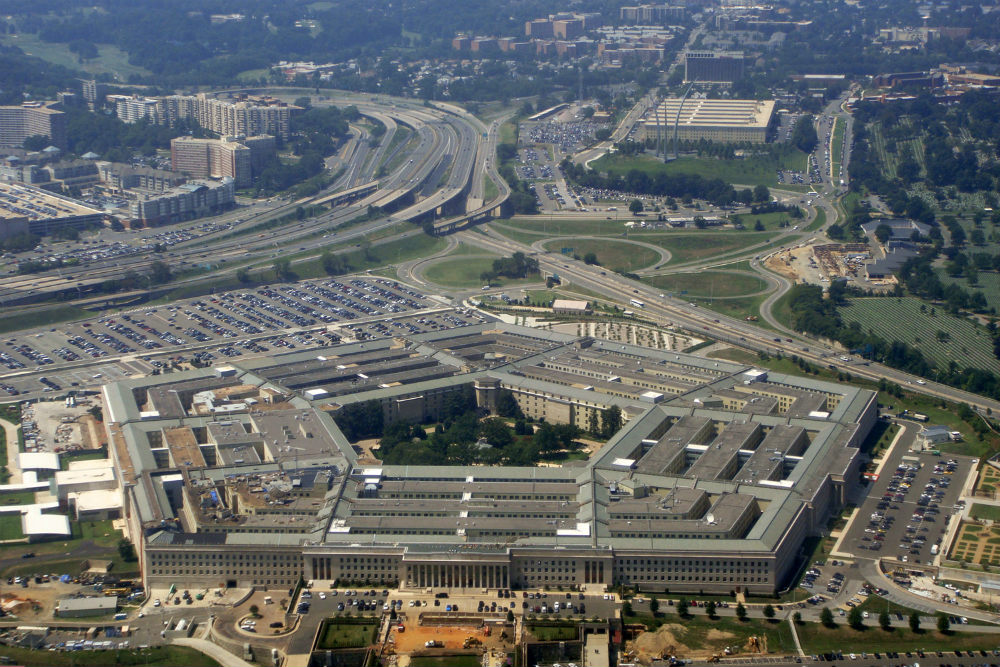
The Pakistani mediation effort has been fraught with uncertainty. Vice President JD Vance was also reported to be departing for Pakistan, but his departure was delayed as the ceasefire extension was announced [9]. Iran’s foreign minister, Abbas Araghchi, was expected to arrive in Islamabad for talks later in the week, according to the New York Post as cited by ZeroHedge [10], though no confirmation from Iranian officials was provided at the time. The Pentagon has been considering options for further military action, with internal debate about sending more troops and assets to the Middle East, as noted in a Trends Journal analysis [11].
Congressional Pressure Mounts Against Diplomacy
The chairman of the Senate Armed Services Committee stated that the time for talks with Iran is “over,” according to reports from Just the News [6]. The statement reflects growing bipartisan skepticism in Congress about the prospects of a diplomatic resolution. Some lawmakers are pushing for increased sanctions or military options, as reported by multiple outlets [6]. The sentiment in Congress aligns with the view that negotiations have been unproductive.
Administration officials have not publicly commented on the chairman’s remarks. The ceasefire extension may provide a temporary pause, but congressional pressure suggests a limited window for diplomacy. Iran’s foreign ministry restated that no talks are scheduled, and the Iranian parliament speaker’s adviser dismissed the extension as meaningless, further complicating any potential path to negotiation [3].
Outlook: Continued Escalation Possible
Selnick predicted that Trump will continue to “ramp it up” regarding pressure on Iran [6]. No new negotiations have been announced, according to State Department officials. The extension marks a pause but not a resolution, analysts said [12]. The Iranian regime has continued attacks on shipping in the Strait of Hormuz even after the ceasefire extension, as reported by The War Zone [13]. Trump ordered the Navy to shoot and kill any boats mining the strait [14].
The outlook remains uncertain. Iran’s supreme leader has consolidated power among hardliners, making a diplomatic breakthrough less likely, according to the Times of Israel [14]. Selnick’s comments underscore the view that without a viable negotiating partner, military options remain on the table. The extension may serve as a temporary reprieve while both sides prepare for potential escalation.
References
- In major about-face, Trump announces extension of Iran truce hours before deadline. – The Times of Israel. April 22, 2026.
- Trump says talks to take place Tuesday, as Iran says it has ‘no plans’ to attend. – The Times of Israel. April 19, 2026.
- Trump extends Iran ceasefire with fate of Pakistan talks left uncertain. – Middle East Eye. Sean Mathews. April 21, 2026.
- Iran Hardliners Weigh Nuclear Bomb Pursuit as Regime Mobilizes One Million Troops. – NaturalNews.com. Cassie B. March 27, 2026.
- Iran adviser calls Trump ceasefire extension ‘meaningless’. – Middle East Eye. April 22, 2026.
- Darin Selnick explains Trump’s extension of the ceasefire in Iran. – Just the News. (Date not provided).
- Trends-Journal-2021-03-09.
- Trump Extends Deadline for Action Against Iran, Citing Progress in Ongoing Discussions. – NaturalNews.com. March 29, 2026.
- Vance reportedly set to depart for Pakistan, but still unclear if Iran will join talks. – The Times of Israel. April 21, 2026.
- S&P Futures Jump To Record, Oil Tumbles On Report Iran Foreign Minister Going To Pakistan. – ZeroHedge. April 24, 2026.
- Trends-Journal-2024-10-08.
- Countdown To Escalation: What Happens When The Ceasefire With Iran Ends? – End of the American Dream. April 21, 2026.
- Iran Ramps Up Attacks On Ships In The Strait Of Hormuz After Trump Ceasefire Extension. – The War Zone. April 22, 2026.
- Trump says he ordered US Navy to ‘shoot and kill’ boats mining the Strait of Hormuz. – The Times of Israel. April 23, 2026.
Submit a correction >>
Tagged Under:
big government, ceasefire, chaos, Darin Selnick, Donald Trump, Iran, Middle East crisis, national security, Pakistan, peace talks, politics, potential escalation, Strait of Hormuz, White House, WWIII
This article may contain statements that reflect the opinion of the author
RECENT NEWS & ARTICLES