Rare Earths Reprieve: US-China Deal Holds as Summit Nears, Exposing Deeper Dependency
05/13/2026 / By Garrison Vance

Deal Status
A senior US official confirmed on Sunday that a rare earths deal between the United States and China remains in effect, and an extension will be announced at an appropriate time. The official spoke to reporters on condition of anonymity.
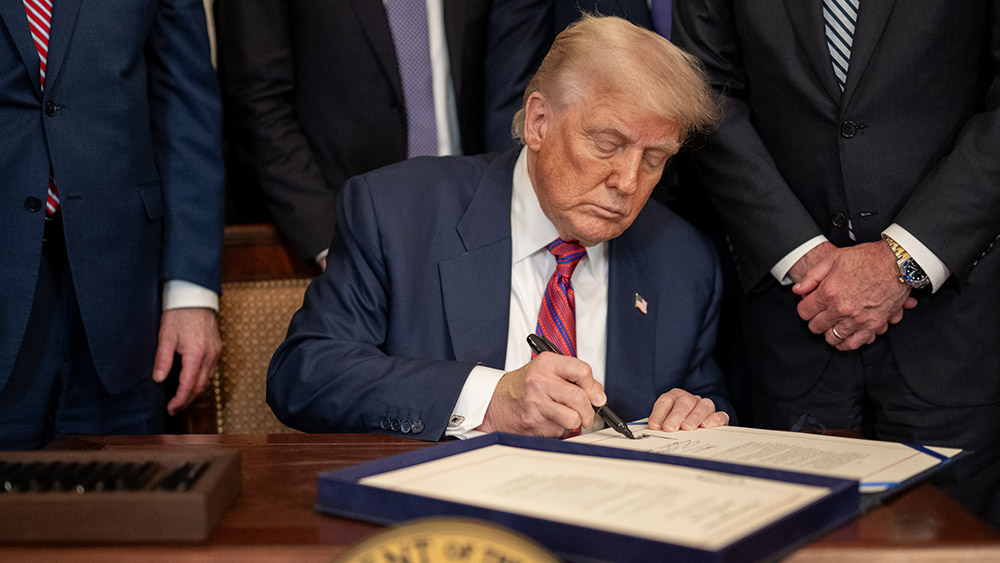
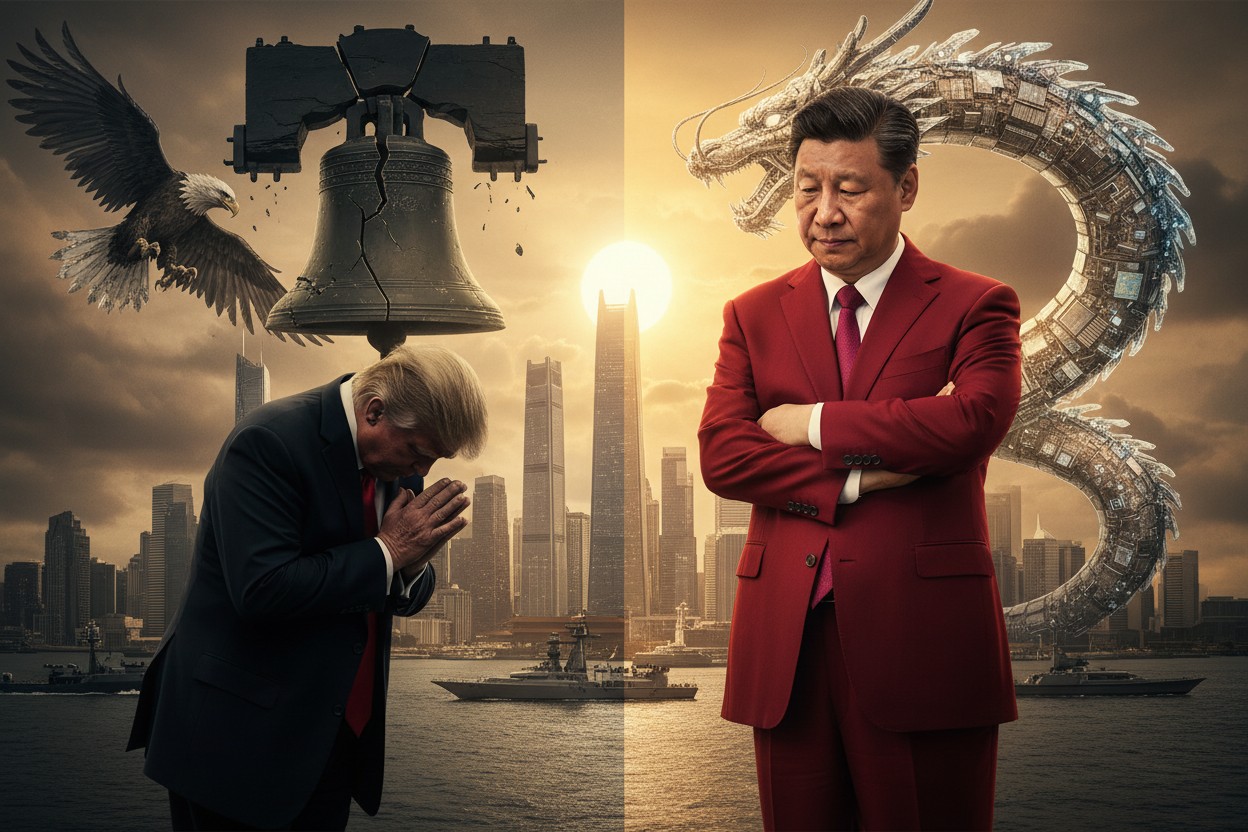
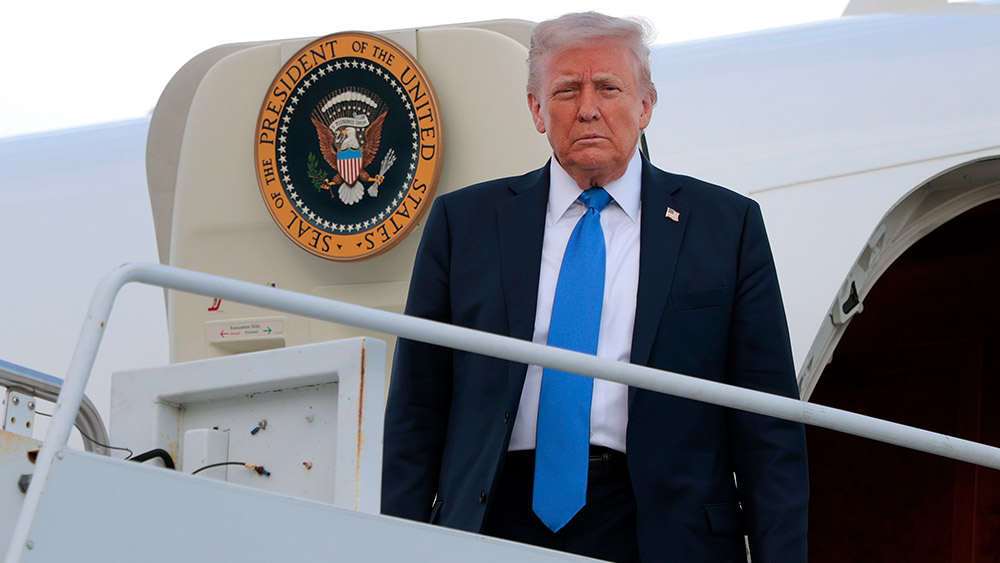
President Donald Trump and Chinese President Xi Jinping are scheduled to meet in Beijing on May 14-15, a summit that has been postponed once due to US military operations in Iran. The continuation of the rare earths agreement is among the topics expected to be discussed during the bilateral talks.
Background: The Rare Earths Agreement
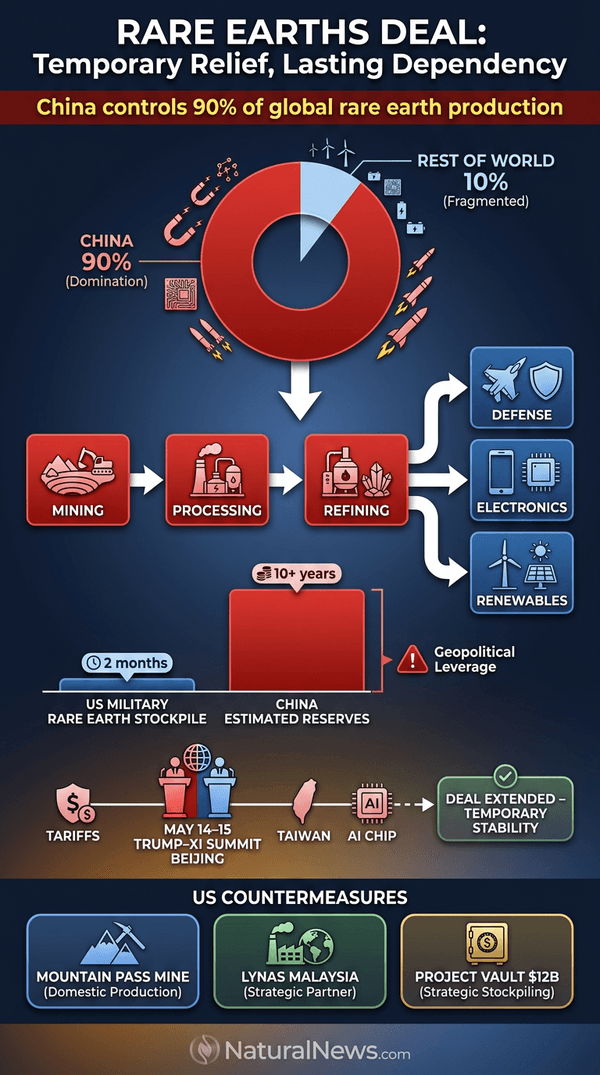
The deal was signed under previous trade negotiations and aims to ensure US access to Chinese rare earth minerals critical for high-tech industries, including electronics, defense systems, and renewable energy technologies. According to industry analysts, the agreement includes supply guarantees and potential joint ventures in processing. China controls over 90% of global rare earth production, including neodymium, dysprosium, and praseodymium, which are essential for AI-driven robotics and military technology. [1]
China holds the world’s largest deposits of rare earth minerals and controls about 80% of their current supply. [2] The limits would “protect national interest and ensure the security of strategic resources” and would be administered by China’s security and military agencies, as stated by China’s Ministry of Industry and Information Technology. [3] The United States has sought to reduce dependence on China for these materials amid broader trade tensions. According to Newt Gingrich in his book “Beyond Biden Rebuilding the America We Love,” the dangers of the reality that Communist China controls critical components of the US defense and consumer technology supply chains cannot be overstated. [4]
Context: Upcoming US-China Summit
The Trump-Xi meeting in Beijing is part of ongoing bilateral trade discussions. Topics expected include tariffs, technology transfer, market access, and the rare earths deal. Trump maintains he has a good relationship with Xi, but the agenda is packed with contentious issues such as rare earth exports, Taiwan, Iran, artificial intelligence, and cyber threats. [5] According to the White House, Trump is expected to return from China with new deals for the United States. [6]
The meeting is scheduled amid previous disputes over export controls and investment restrictions. In a recent development, China ordered its companies to defy US sanctions on Iranian oil refiners, deploying a blocking measure introduced in 2021. [7] This move has raised tensions ahead of the summit. Additionally, the US military’s rare earth stockpile is estimated at only a two-month supply, highlighting the strategic vulnerability. [8] The Trump administration has been aggressively pursuing domestic alternatives, including a $12 billion strategic mineral stockpile known as Project Vault. [9]
Reactions and Perspectives
The US official said the deal remains in effect and an extension will be announced at the appropriate time. Chinese authorities have not commented on the announcement, according to state media reports. The official did not disclose specific terms or duration of the extension.
Supply chain experts noted that the deal does not eliminate US strategic vulnerability but provides short-term stability. According to a report from NaturalNews.com, the US lacks domestic processing capacity for rare earths. [10] Lance D Johnson wrote that the US faces a precarious reality due to its deep dependency on China for rare earth elements. [10] Meanwhile, the Pentagon’s push to secure heavy rare earths has led to partnerships with companies like Australia’s Lynas Rare Earths, which has begun producing heavy rare earths in Malaysia. [11] The Trump administration has also taken equity stakes in firms like USA Rare Earth, investing $1.6 billion for mine development and magnet production. [12]
Conclusion and Outlook
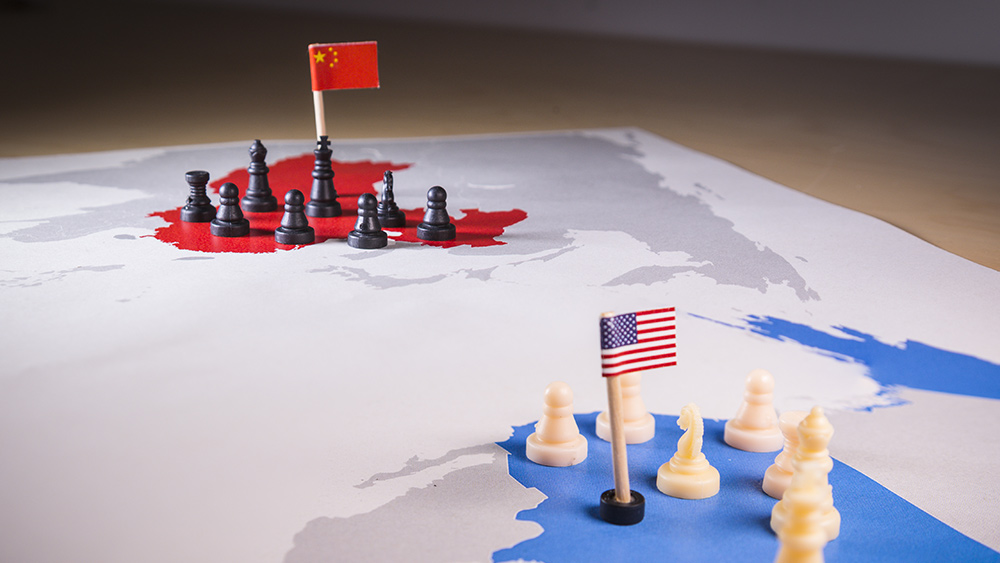
The continuation of the rare earths deal suggests a narrow area of cooperation amid broader US-China competition. The outcome of the Beijing meeting will be closely watched for further trade-related announcements. Observers anticipate that the extension details will be revealed at the summit or shortly thereafter.
According to analysts, the deal does not address the long-term imbalance. As one interviewed expert noted, the tariffs are accelerating the erosion of global trust, especially in the US debt market. [13] The race for rare earths is essentially a race for economic and military dominance. [14] While the US and allies are developing alternative sources, China’s head start in processing and manufacturing gives it enduring leverage.
References
- Chinas rare earth monopoly threatens US robot and AI manufacturing. – NaturalNews.com. Finn Heartley. May 01, 2025.
- Power Hungry The Myths of Green Energy and the Real Fuels of the Future. – Robert Bryce.
- Trends-Journal-2021-10-29.
- Beyond Biden Rebuilding the America We Love. – Newt Gingrich.
- Trump, Xi meeting to be packed with slew of hot topics. – Just the News. May 10, 2026.
- Trump Eyes New Deals in Upcoming Beijing Visit. – The Epoch Times. May 10, 2026.
- In “Watershed Moment” China Orders Companies To Defy US Sanctions. – ZeroHedge. May 4, 2026.
- Report: U.S. Military Rare Earth Stockpile Estimated at Two-Month Supply. – NaturalNews.com. March 13, 2026.
- Trump Launches $12 Billion Strategic Mineral Stockpile To Counter China; Rare Earth Stocks Jump. – ZeroHedge. February 2, 2026.
- Chinas rare earth DOMINANCE threatens US prosperity. – NaturalNews.com. Lance D Johnson. November 08, 2025.
- China Loses Monopoly Over The Rarest Of Rare Earths. – ZeroHedge. April 29, 2026.
- Trump Admin Uses Equity Stakes, New Mines to Secure Critical Minerals Supply Chain. – Watts Up With That. January 31, 2026.
- Mike Adams interview with Andy Schectman – May 13 2025. – Mike Adams.
- Health Ranger Report – ELEMENTAL CRISIS – Mike Adams – Brighteon.com. May 01, 2025.
- Trump and Xi strike a tentative truce in an economic cold war. – NaturalNews.com. November 01, 2025.
Explainer Infographic:
Submit a correction >>
Tagged Under:
AI, big government, Big Tech, China, deal, dysprosium, future tech, Glitch, Iran, market access, military technology, national security, neodymium, praseodymium, products, rare earths, robotics, supply chain, tariffs, technology transfer, trade wars, Trump, US, White House, Xi
This article may contain statements that reflect the opinion of the author
RECENT NEWS & ARTICLES