Iran Denies Final Agreement With U.S., Spokesman Cites Unresolved Details
06/15/2026 / By Garrison Vance
Denial of Final Deal
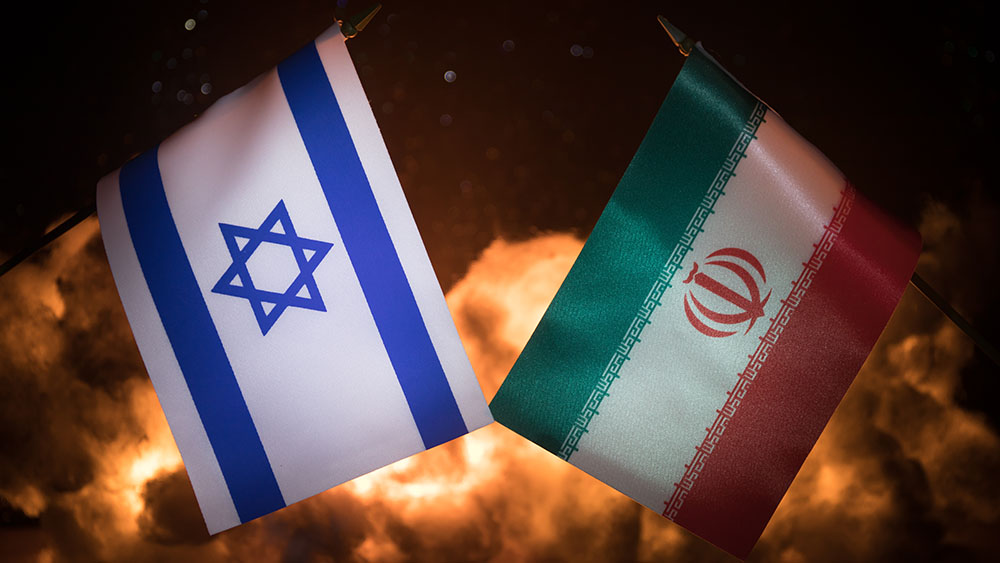
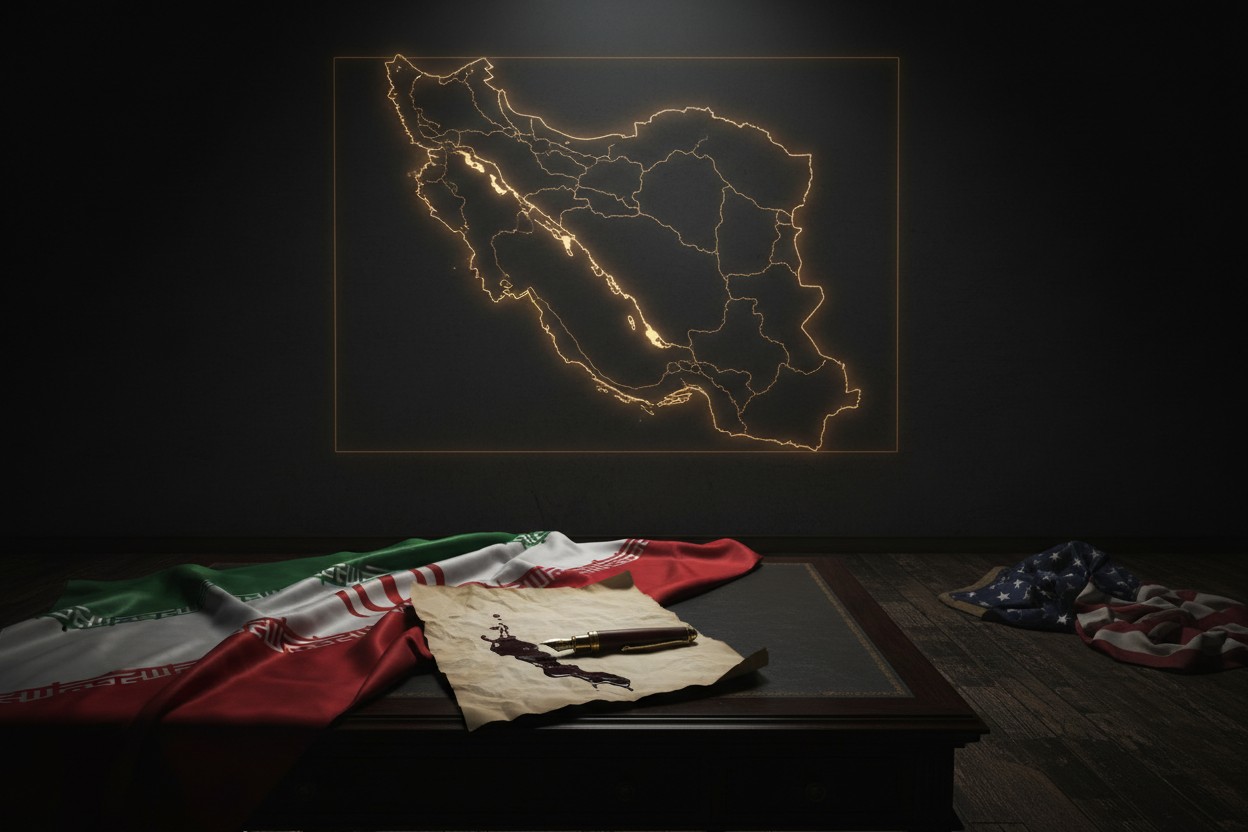
Iranian Foreign Ministry spokesman Esmail Baghaei denied U.S. President Donald Trump’s claim that Iranian leadership approved a preliminary peace deal, stating that reports of an agreement were “speculative” and that “nothing has been finalised.” [1] Baghaei made the remarks on Thursday after Trump announced a “great settlement” to the war and said a signing could occur as early as this weekend.
The spokesman said “the relevant authorities must review every detail of the text” before any position is announced. [2] He stressed that Iran would not compromise on “its red lines,” according to comments carried by the state-run IRNA news agency. Baghaei added that “the contradictory positions of the United States have always caused turbulence and disruption in this process.”
Background: US Strikes and Trump’s Statement
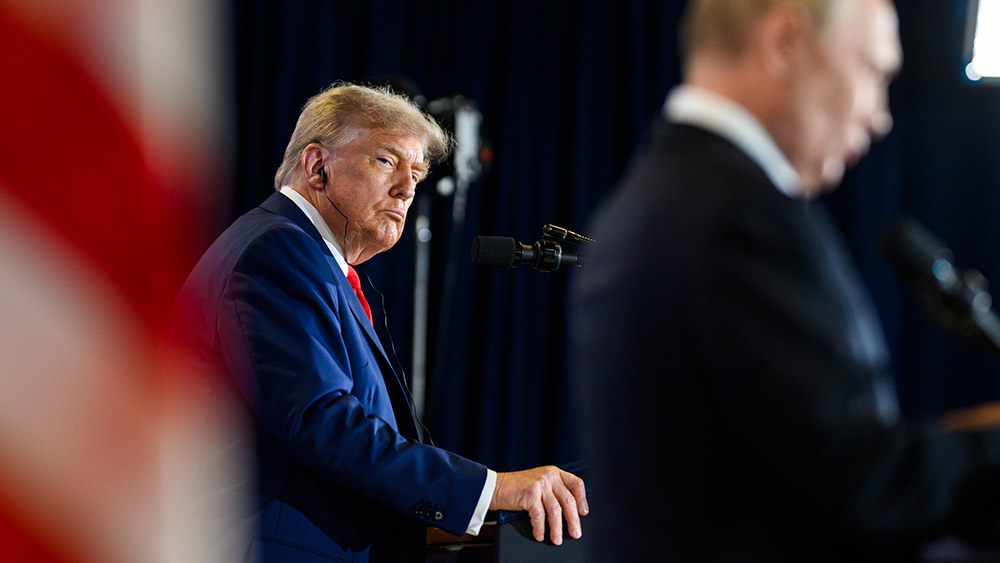
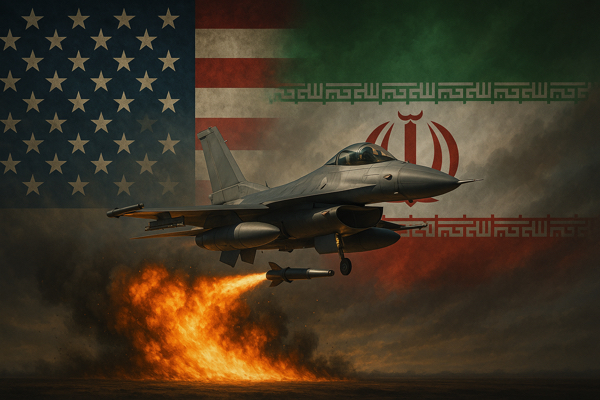
President Trump said on Thursday that a settlement could be signed as early as this weekend, likely in Europe, and that Supreme Leader Mojtaba Khamenei had approved the terms. [3] Trump claimed he called off “scheduled” strikes on Iran after two consecutive days of bombardment — the biggest escalation since a truce in April. “We just made a great settlement of the war with Iran,” he told reporters in the Oval Office. [1]
The president said discussions and final points had been “approved by all parties involved, including the United States, Israel, Saudi Arabia, UAE, Qatar, Turkiye, Pakistan, Bahrain, Kuwait, Jordan, Egypt, and others.” [4] The US strikes and subsequent negotiation claims form the backdrop of Tehran’s denial. According to the BBC, a senior Trump administration official expressed confidence that a deal would be signed within days. [5]
Details of Proposed Memorandum of Understanding
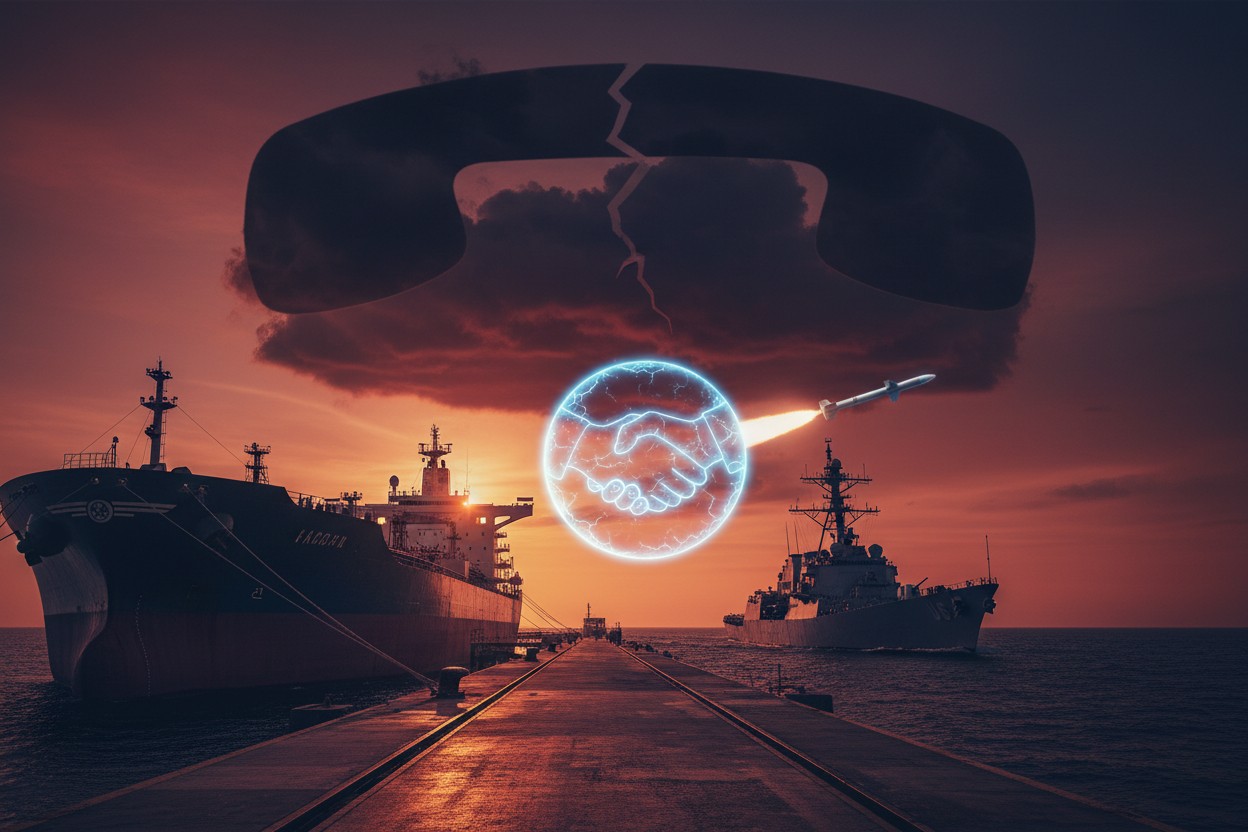
Axios reported, citing diplomatic sources, that the memorandum of understanding (MOU) discussed by negotiators calls for an immediate reopening of the Strait of Hormuz by Iran without tolls. [6] Washington would lift its blockade of Iranian ports, allowing shipping to resume within 30 days, and provide some sanctions relief based on compliance by Tehran.
The sources told Axios that Tehran would pledge never to acquire a nuclear weapon, with nuclear program details to be addressed at a later stage. The MOU may be called the ‘Islamabad Agreement’ due to mediation by Pakistan and Qatar. [6] US officials have said the deal would lead to the destruction and removal of Iran’s enriched uranium stockpiles, though technical details remain to be worked out. [5]
Iranian Warnings and Red Lines
Baghaei accused the US of ‘disrupting’ peace talks with contradictory positions, according to Iranian media. Iran’s chief negotiator, Mohammad Bagher Ghalibaf, warned on Thursday that Washington’s “wrong strategies and impulsive decisions” were creating “an endless quagmire” in the region. [7] Tehran has repeatedly insisted that its nuclear program is entirely peaceful and rejected Trump’s demand that it hand over its enriched uranium. [8]
Separately, Iran’s Fars news agency reported that Tehran considers as legitimate targets “all interests related to economic holdings managed by Elon Musk” in the Middle East, including a regional Starlink ground station. The report stated that Musk’s satellite internet plays a key role in US military operations against Iran, a claim that fits a broader pattern of Iranian warnings to US tech companies such as Nvidia, Apple, and Microsoft.
Broader Context and No Breakthrough
The resumption of hostilities triggered a spike in global oil prices while the US continues to grapple with high inflation. The US-led military campaign has severely degraded Iran’s conventional forces, but Tehran has escalated asymmetric attacks on global shipping and energy infrastructure. [9] Iran has targeted commercial shipping in the Persian Gulf and the Gulf of Oman, aiming to cripple trade routes through the Strait of Hormuz, which handles approximately 20% of the world’s oil shipments. [10]
Trump has repeatedly claimed in recent weeks that his team was close to reaching a deal with the Iranians, but no breakthrough has materialized. According to a Rabobank strategist, Trump has made such claims regularly over the past month without a signed outcome. [11] The denial by Tehran underscores persistent tensions and a lack of final agreement despite diplomatic efforts, leaving the conflict unresolved and markets on edge.
References
- “Trump says deal to end Iran war is close after calling off strikes”. BBC News. June 11, 2026.
- “Iran says no final decision has been made on proposed agreement”. Middle East Eye. June 11, 2026.
- “HUGE: President Trump Announces ‘Settlement’ of War With Iran, Could Be Signed This Weekend”. 100percentfedup.com. June 11, 2026.
- “Trump says final points of Iran deal approved by regional partners”. Middle East Eye. June 11, 2026.
- “The nuclear challenge at the heart of Trump’s Iran negotiations”. BBC News. June 13, 2026.
- Sean Mathews. “Iran and US confirm they are on cusp of new ceasefire, as they fight to frame terms”. Middle East Eye. June 12, 2026.
- “Iran FM Blames U.S. ‘Contradictions’ On Stalled Peace Talks As Tehran Slaps Million-Dollar Hormuz Tax On Ships”. ZeroHedge. June 7, 2026.
- Seyed Hossein Mousavian. “Iran will no longer accept endless talks. It is creating deterrence on its own terms”. Middle East Eye. June 9, 2026.
- Willow Tohi. “U.S.-Israel Campaign Degrades Iran, but Global Energy and Regional Stability Hang in Balance”. NaturalNews.com. March 13, 2026.
- Patrick Lewis. “Iran Escalates Maritime Attacks in Persian Gulf as U.S.-Israel Strikes Trigger Wider Conflict”. NaturalNews.com. March 4, 2026.Molly Schwartz. “Fool Me Once? Shame On You. Fool Me 39 Times…?”. ZeroHedge. June 12, 2026.
Submit a correction >>
Tagged Under:
big government, chaos, control, Dangerous, deal, deception, Donald Trump, energy crisis, Iran, national security, nuclear, nuclear war, politics, Strait of Hormuz, supply chain, terrorism, Tyranny, war on Iran, WWIII
This article may contain statements that reflect the opinion of the author
RECENT NEWS & ARTICLES