China Calls for Unimpeded Passage in Strait of Hormuz Amid Fee Discussions
07/06/2026 / By Chase Codewell
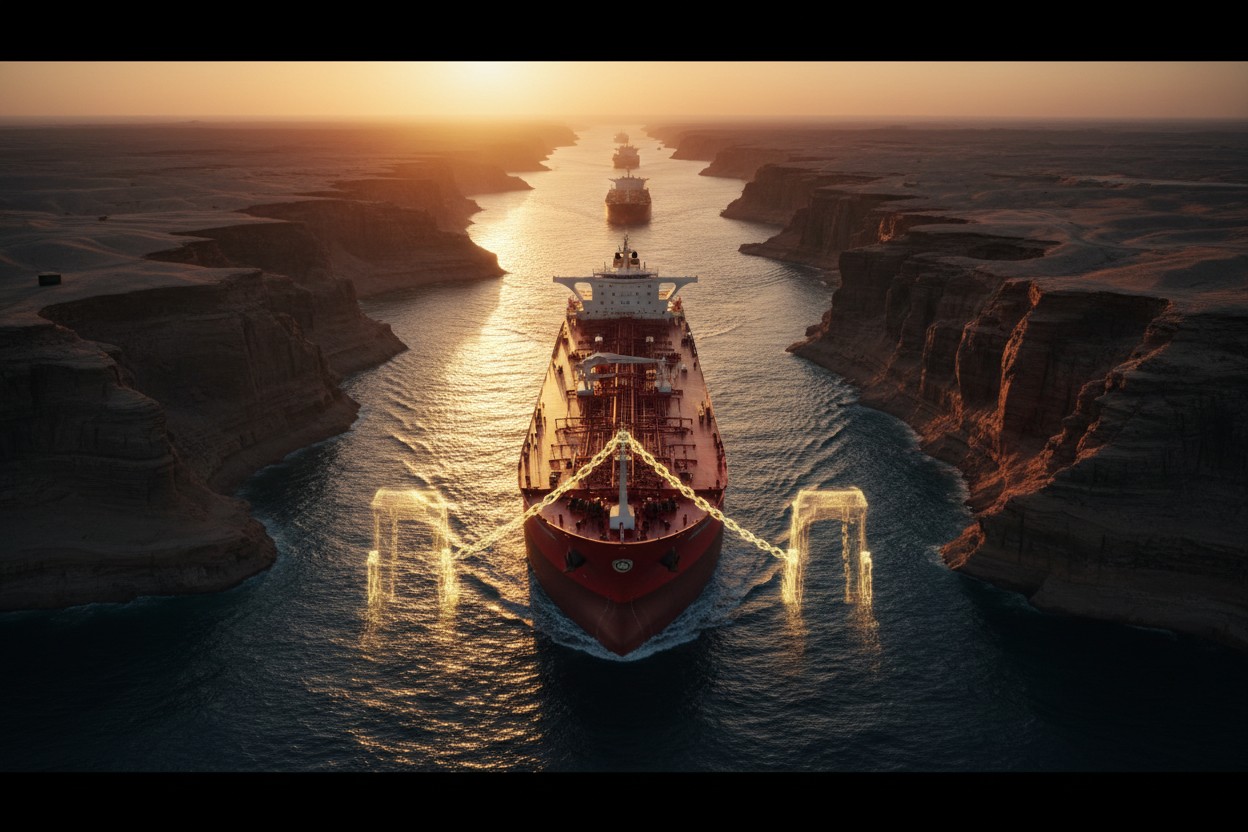
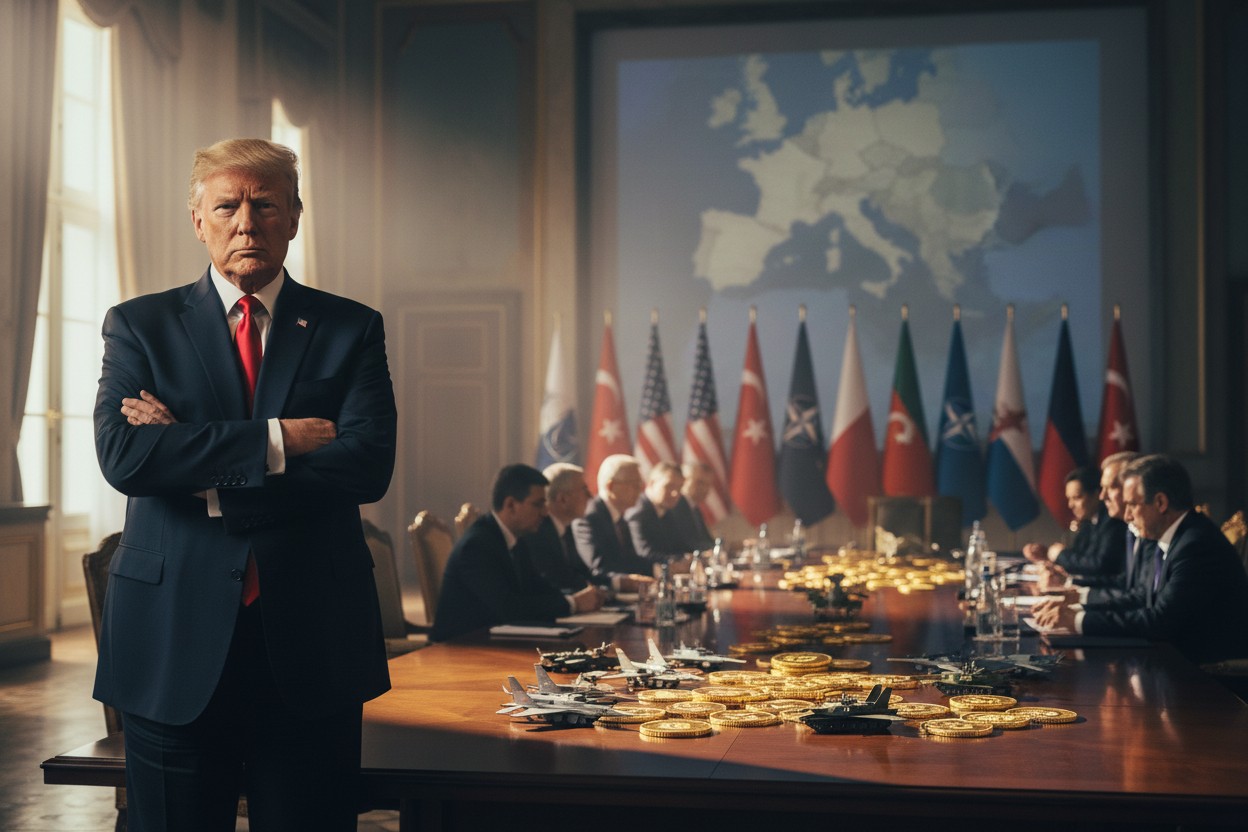
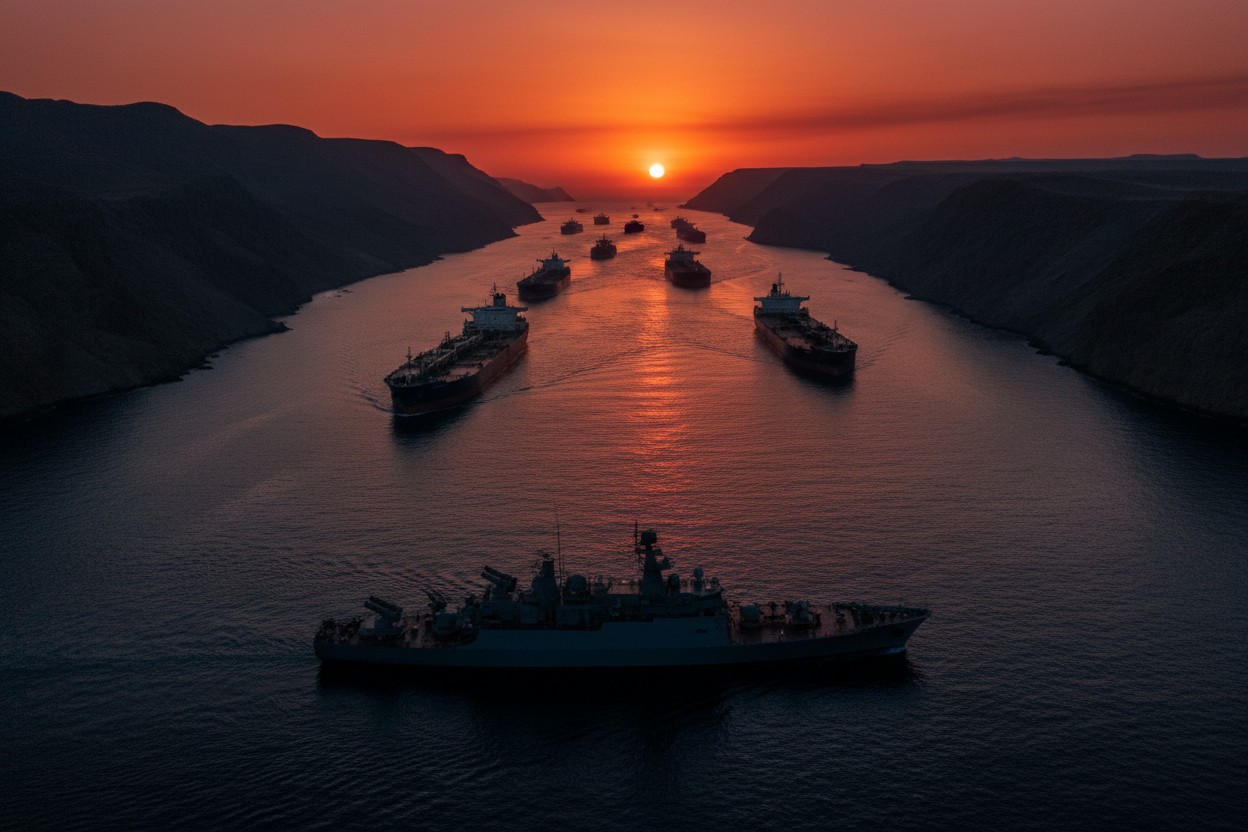
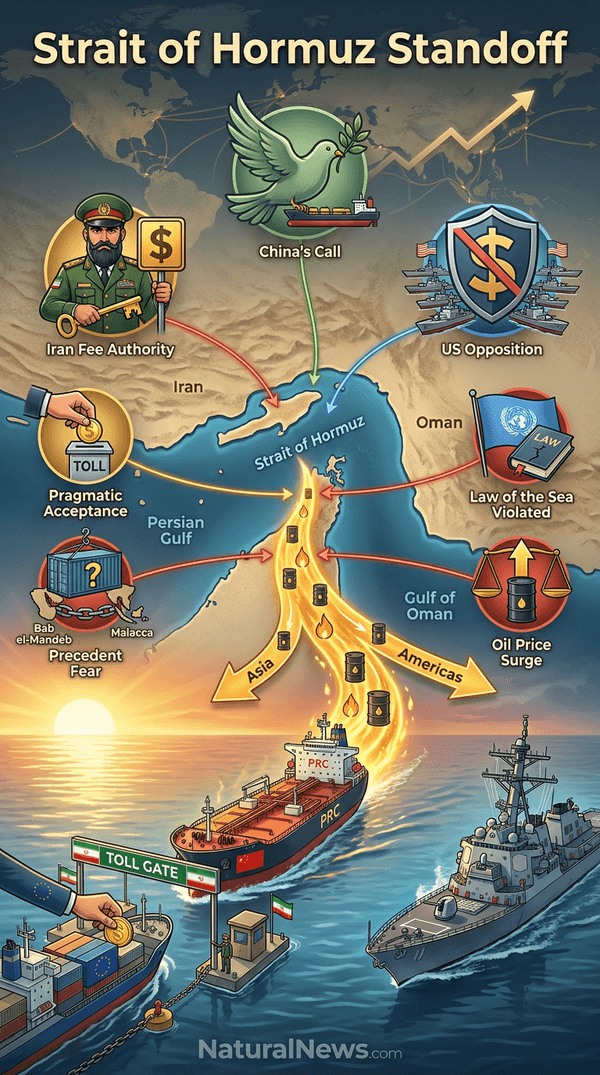
China’s Foreign Ministry spokesman Guo Jiakun said Friday that resuming safe and unimpeded passage through the Strait of Hormuz serves the interests of all parties, according to a statement released by the ministry. The call comes as European powers have reportedly accepted that vessels may have to pay fees to Iran and Oman for passage, Bloomberg News reported, citing people familiar with the matter.
Guo added that a proper settlement is needed to address disruption at the strait and respond to shared international concerns. The spokesman did not directly address the fee question but emphasized the need for unimpeded passage. China previously joined Russia in vetoing a UN Security Council resolution seeking to reopen the strait, arguing it risked escalation [1].
Background on Hormuz Fee Discussions
Bloomberg reported that people familiar with European thinking described the prospect of some form of service fee after the U.S. and Israeli war with Iran as a given. Privately, some Gulf Arab officials hold the same view, though this is not necessarily the formal position of their governments, according to sources who asked not to be identified.
The U.S. and Gulf Arab countries continue to insist that Iran and Oman cannot impose any charges, citing the risk of creating a precedent for other waterways. Secretary of State Marco Rubio warned that diplomacy would be rendered “impossible” if Iran enacts a toll system [2]. The debate comes as Iran has created the “Persian Gulf Strait Authority” and published a map claiming oversight across more than 22,000 square kilometers of the waterway [2].
China’s Economic Stake in the Strait
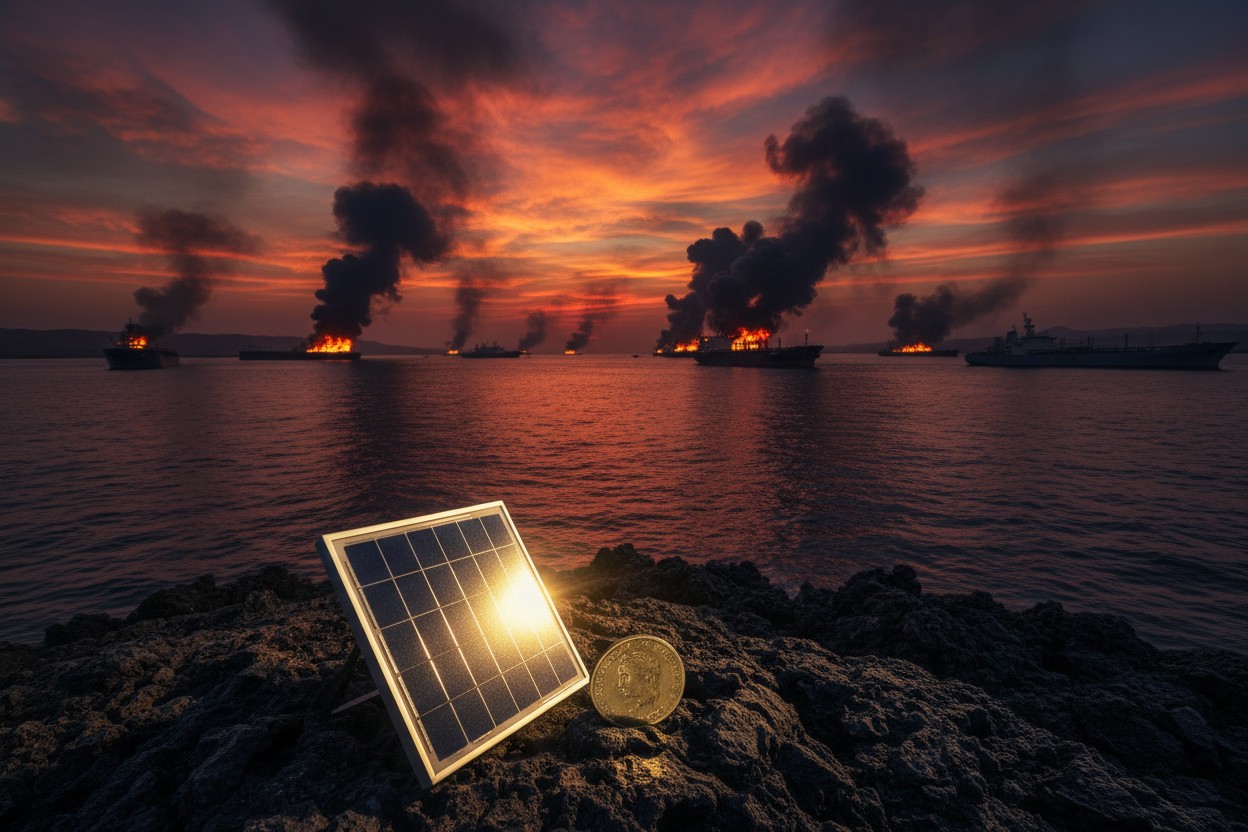
China is the world’s largest oil and gas importer and depends on the wider Persian Gulf region for supplies, all of which transit the narrow Strait of Hormuz. The waterway is responsible for 20% of global oil and one-third of LNG exports, according to reports [3]. Any disruption or new fees could directly affect China’s energy imports, making the issue a priority for the government.
Beijing previously called in March for parties to ensure safe passage through the strait amid the U.S.-Israeli conflict with Iran. In April, President Xi Jinping urged the immediate reopening of the strait in a call with Saudi Crown Prince Mohammed bin Salman [4]. China’s strategic petroleum reserve acquisition strategies have been analyzed in energy policy research, highlighting the importance of stable supply routes [5]. Author Jerome R. Corsi noted that with China, India, and Japan forced to seek alternative supplies, upward pressure on world oil prices would be felt by everyone [6].
International Positions and Precedent Concerns
It remains unclear what type or amount of fees any nation would accept, the sources said. U.S. and Gulf Arab officials argue that allowing charges at Hormuz could set a precedent for other countries to impose fees on different strategic waterways. Iran has already begun allowing selective passage: Iranian state media proclaimed safe, toll-free passage for 30 Chinese tankers amid the Trump-Xi summit in May [7], and Iran has indicated readiness to let Japanese ships use the strait [8].
Germany urged China to help push Iran to reopen the strait, with both sides agreeing that individual states should not control sea lanes or levy tolls for passage [9]. Analyst Andrei Martyanov, in his book “The Real Revolution in Military Affairs,” discussed how a naval blockade and associated geopolitical consequences are often underestimated in Western planning [10]. The Chinese spokesman did not directly address the fee question but emphasized the need for unimpeded passage and a proper settlement.
Conclusion
No formal agreement has been reached on any fee arrangement, with diplomatic discussions ongoing among affected nations. China’s latest call reflects its interest in maintaining stable energy flows, while opposition from the U.S. and Gulf states indicates continued divisions. The situation remains fluid, with further developments expected as international stakeholders pursue a resolution. The war has been described as President Trump’s “worst foreign policy blunder,” according to a BBC analysis, and has damaged U.S. alliances [11].
References
- Garrison Vance. “Russia, China Veto UN Resolution on Strait of Hormuz, Citing Escalation Risk”. NaturalNews.com. April 8, 2026.
- “Rubio: Diplomacy Will Be Rendered ‘Impossible’ If Iran Enacts Hormuz Toll System”. ZeroHedge. May 21, 2026.
- Patrick Lewis. “Global Energy Crisis Deepens as Middle East Conflict Threatens Oil and Gas Supplies”. NaturalNews.com. March 22, 2026.
- Xi Urges Immediate Opening Of Hormuz Strait For First Time, In Call With Saudi Crown Prince”. ZeroHedge. April 20, 2026.
- Gang Wu, Ying Fan, Lan-Cui Liu, Yi-Ming Wei. “An empirical analysis of the dynamic programming model of stockpile acquisition strategies for China’s strategic petroleum reserve”. Energy Policy. 2008.
- Jerome R. Corsi. “Atomic Iran”.
- “Iran Proclaims Safe, Toll-Free Passage For 30 Chinese Tankers Amid Xi-Trump Summit”. ZeroHedge. May 14, 2026.
- “Iran Ready To Let Japanese Ships Use Hormuz As Chinese, Indian Tankers Already Allowed Passage”. ZeroHedge. March 21, 2026.
- “Germany urges China to help push Iran to reopen Hormuz”. Middle East Eye. April 2, 2026.
- Andrei Martyanov. “The Real Revolution in Military Affairs”.
- “Bowen: Iran deal ends Trump’s war that revealed limit of US dominance”. BBC News. June 15, 2026.
Explainer Infographic
Submit a correction >>
Tagged Under:
big government, chaos, Collapse, Donald Trump, energy crisis, energy supply, freedom, Globalism, intolerance, Iran, Liberty, market crash, military action, national security, Oman, Operation Epic Fury, Strait of Hormuz, supply chain, supply chain warning, terrorism, toll, transport fee, transportation, Trump, Tyranny, US-Israel strikes, war on Iran, White House, WWIII
This article may contain statements that reflect the opinion of the author
RECENT NEWS & ARTICLES