U.S. Imposes Sanctions On ICC President and Senior Trial Lawyer
08/22/2026 / By Garrison Vance
U.S. Secretary of State Marco Rubio designated International Criminal Court President (ICC) Tomoko Akane of Japan and Senior Trial Lawyer Abdoulaye Seye of Senegal for sanctions on Tuesday, Aug. 18, according to BBC News.
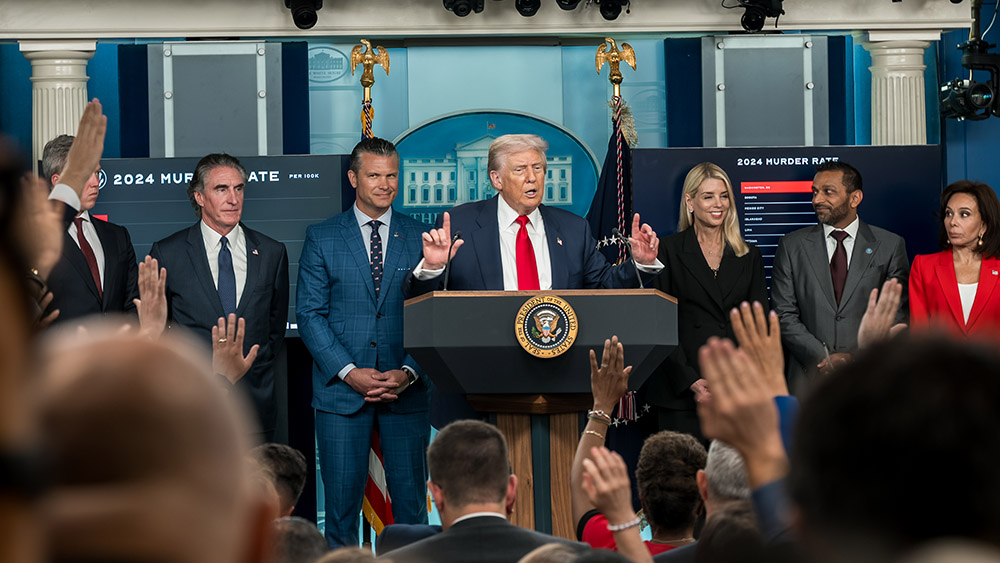
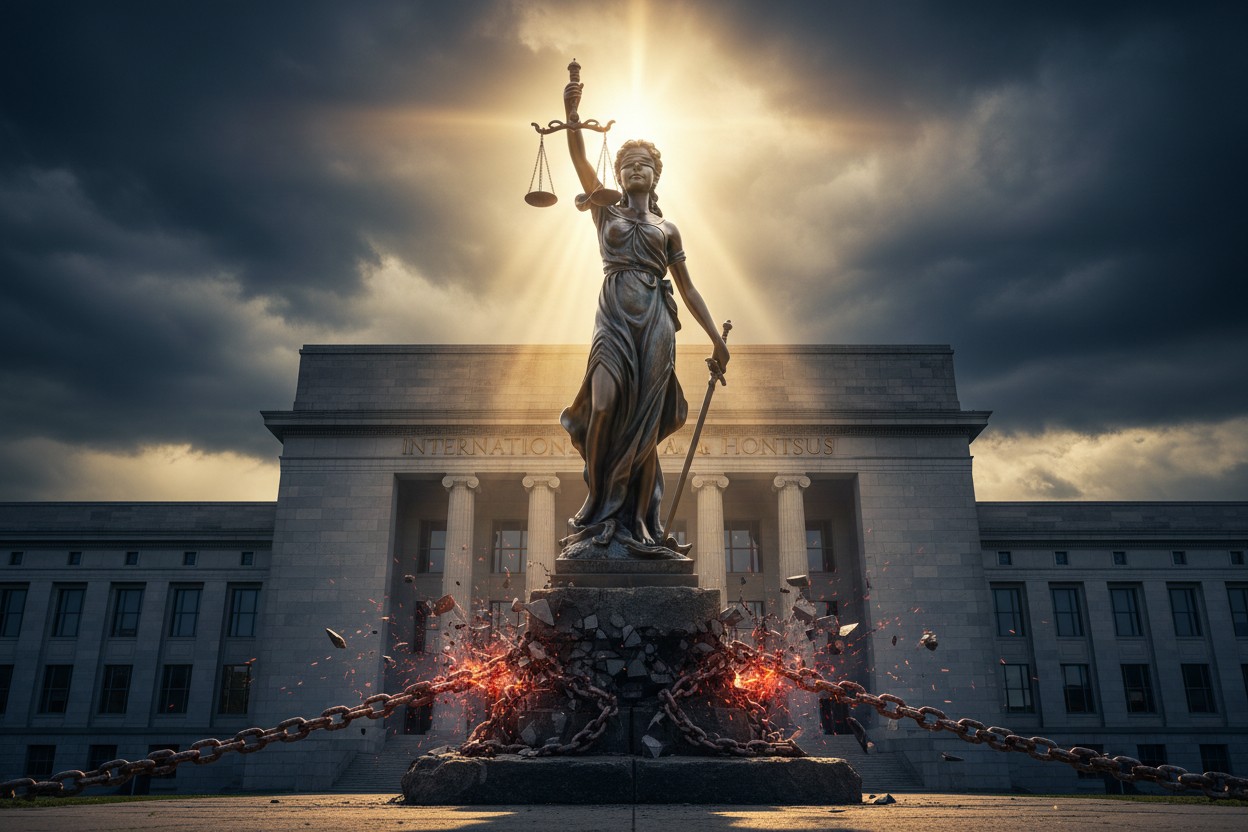
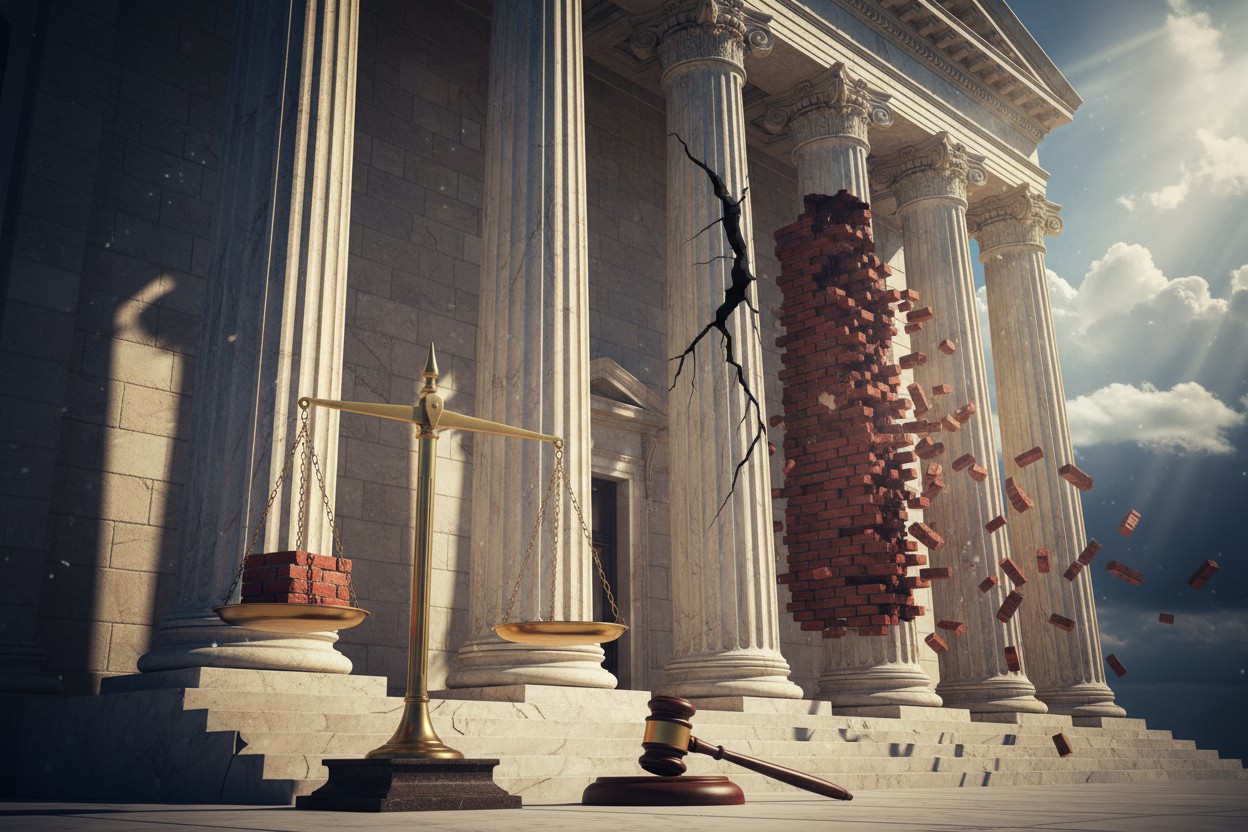
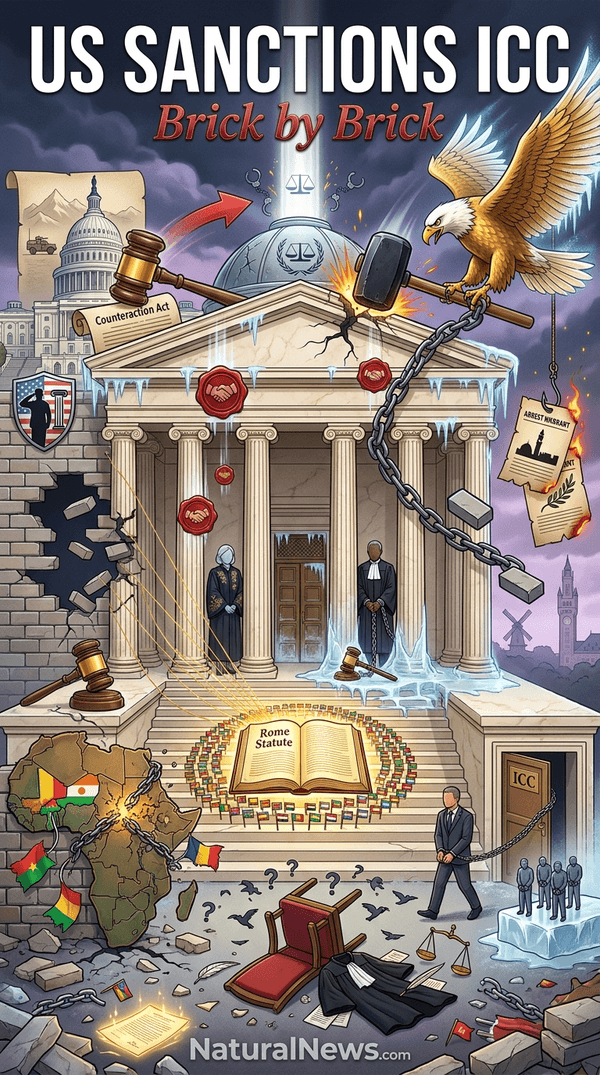
The action is part of the Trump administration’s campaign to “dismantle” the court, which is empowered by more than 120 member states to investigate war crimes [1]. Rubio has previously said the United States intends to take the court apart “brick by brick,” according to Middle East Eye [2]. The designations follow an announcement last month of a drive to dismantle what the administration describes as a threat to U.S. sovereignty.
Rubio’s Rationale and U.S. Objections
In an op-ed published in the Wall Street Journal, Rubio wrote: “America never agreed to a world tribunal that can override our own courts and the Constitution,” according to the New American [3]. He has described the ICC as a “corrupt and fatally politicized supranational court” that has “maliciously abused its authority and exceeded its mandate,” according to a Russia Today (RT) report.
Washington has long objected to ICC jurisdiction over U.S. personnel. The court previously opened an investigation into alleged crimes by U.S. military and intelligence personnel in Afghanistan despite the United States not being a party to the Rome Statute. In August, ICC judges ordered prosecutors to open a separate case on Taliban abuses connected to the Afghanistan probe that covers U.S. nationals, according to Middle East Eye [4].
The secretary of state has accused the court of targeting nationals of countries that have neither consented to its jurisdiction nor ratified the Rome Statute. In 2025, Rubio imposed financial sanctions on four ICC officials: two judges and two prosecutors, freezing their U.S. assets and restricting their transactions, according to Natural News [5].
Connection to Israel and Gaza Arrest Warrants
The new designations come after the ICC issued arrest warrants in 2024 for Israeli Prime Minister Benjamin Netanyahu and then-Israeli Defense Minister Yoav Gallant over alleged “war crimes and crimes against humanity” in Gaza [6]. Congress responded with legislation targeting the court.
The House passed the Illegitimate Court Counteraction Act in January 2025; the bill received bipartisan support with 243 votes in favor, according to Natural News [7]. In June 2024, the Republican-led House voted to sanction the ICC after prosecutors sought warrants for Netanyahu, Gallant and three Hamas leaders [8].
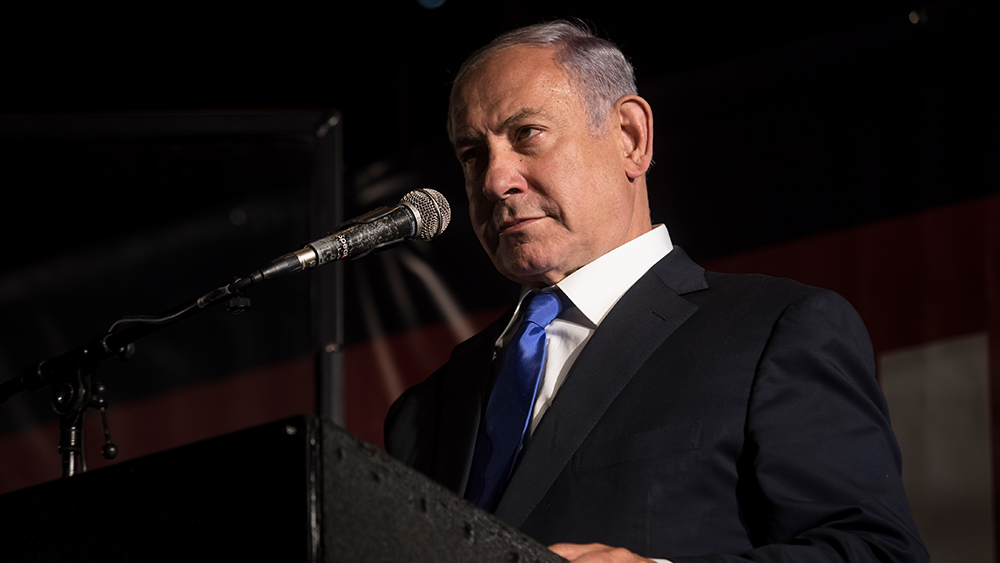
Seye worked on the prosecution team in the Netanyahu case, and Israeli outlet Ynet reported that he also oversaw an ICC investigation into funding for West Bank settlements and weapons supplied to settlers, according to an RT report. Netanyahu welcomed the sanctions and described the ICC as a “kangaroo court,” according to the same report.
ICC Response and African Withdrawals
The ICC said Wednesday, Aug. 19, that it “strongly rejects” the designations and called them “a flagrant attack against the independence of an impartial judicial institution,” according to an RT report. Several African states have initiated withdrawals from the Rome Statute. Burkina Faso, Mali and Niger began withdrawal proceedings this summer, and Chad followed in July, according to an RT report.
The Philippines withdrew from the court in 2019, but the ICC maintained jurisdiction over crimes allegedly committed while the country was a member. Former Philippine President Rodrigo Duterte was arrested under an ICC warrant in March 2025 and transferred to The Hague, according to the same report.
The sanctions also follow the ICC’s removal of Chief Prosecutor Karim Khan in July 2026. Member states voted by secret ballot to remove Khan, with 82 states parties in favor, after an oversight body found he had committed a “serious breach of duty and serious misconduct” [9][10].
Russia’s Rejection and Outlook
The ICC issued arrest warrants in March 2023 for Russian President Vladimir Putin and Children’s Rights Commissioner Maria Lvova-Belova over the alleged unlawful deportation of Ukrainian children, according to an RT report. Moscow dismissed the warrants as legally null and void and rejected the allegations, saying it evacuated unaccompanied children from the war zone and is ready to return them, according to Russian officials.
Venezuela’s new government announced its withdrawal from the ICC in July, and the U.S. Department of State welcomed the move as part of “American-led efforts to dismantle the corrupt and worthless ICC” [11]. Washington later said it was “time to dismantle” the court after Venezuela’s announcement, according to Middle East Eye [12].
Four U.S.-based rights groups, including Human Rights Watch, sued the Trump administration on Aug. 11 over its ICC sanctions, saying the measures block victims of war crimes from pursuing justice, according to the Times of Israel [13]. Spain’s Prime Minister Pedro Sanchez has called on the European Commission to activate the EU Blocking Statute to shield the ICC and the United Nations from U.S. sanctions, according to Natural News [14].
The Rome Statute was adopted by 120 states in 1998; the conference that established the ICC echoed Nuremberg and Tokyo in how it handled starvation, according to Alex de Waal [15][16]. In The WikiLeaks Files, WikiLeaks and Julian Assange write that “immunity from local laws usually means impunity,” citing the U.S. government’s limited prosecution of personnel for crimes committed during overseas military engagements [17].
References
- BBC News. “US announces new sanctions on top ICC figures.” August 18, 2026.
- Middle East Eye. “US sanctions International Criminal Court president, trial lawyer in bid to dismantle body.” August 18, 2026.
- The New American. “The U.S. Wants to Tear Down the ICC.” July 14, 2026.
- Sondos Asem. “Exclusive: ICC judges order Taliban case split from Afghanistan probe that covers US troops.” Middle East Eye. August 7, 2026.
- Ava Grace. “Washington escalates global confrontation by sanctioning ICC officials.” NaturalNews.com. August 22, 2025.
- NaturalNews.com. “ICC seeks arrest warrants for Israeli and Hamas leaders.” May 22, 2024.
- Laura Harris. “House passes bill targeting ICC over Netanyahu warrant.” NaturalNews.com. January 12, 2025.
- NaturalNews.com. “Republican led House votes to sanction ICC for investigating Israeli war crimes in Gaza.” June 6, 2024.
- Sondos Asem. “ICC member states remove Prosecutor Karim Khan by majority vote.” Middle East Eye. July 24, 2026.
- BBC News. “ICC top prosecutor removed over sexual misconduct allegations.” July 24, 2026.
- Middle East Eye. “US welcomes Venezuela’s decision to quit ‘corrupt and worthless ICC’.” July 26, 2026.
- Middle East Eye. “US says ‘it is time to dismantle’ ICC after Venezuela announces withdrawal.” July 26, 2026.
- Times of Israel. “Rights groups sue Trump over sanctions he placed on ICC due to Israel warrants.” August 11, 2026.
- NaturalNews.com. “Spain’s Sanchez Urges EU to Activate Blocking Statute Against US Sanctions on ICC.” May 8, 2026.
- Alex de Waal. “Mass Starvation.”
- Sergey Vasiliev. “The founders of the ICC must not let it be destroyed.” Middle East Eye. July 22, 2026.
- WikiLeaks and Julian Assange. “The WikiLeaks Files: The World According to US Empire.”
Explainer Infographic
Submit a correction >>
Tagged Under:
Abdoulaye Seye, arrest warrants, Benjamin Netanyahu, biased, big government, crime against humanity, Gaza, genocide, Hamas, humanitarian, International Criminal Court, Israel, Israel-Hamas war, Karim Khan, Palestine, politics, Resist, Rome Statute, sanctions, Tomoko Akane, US, War crimes, White House, Yoav Gallant
This article may contain statements that reflect the opinion of the author
RECENT NEWS & ARTICLES