Trump EPA Proposes Rule to End Public Disclosure of Data Center Air Pollution, Critics Allege
08/26/2026 / By Garrison Vance
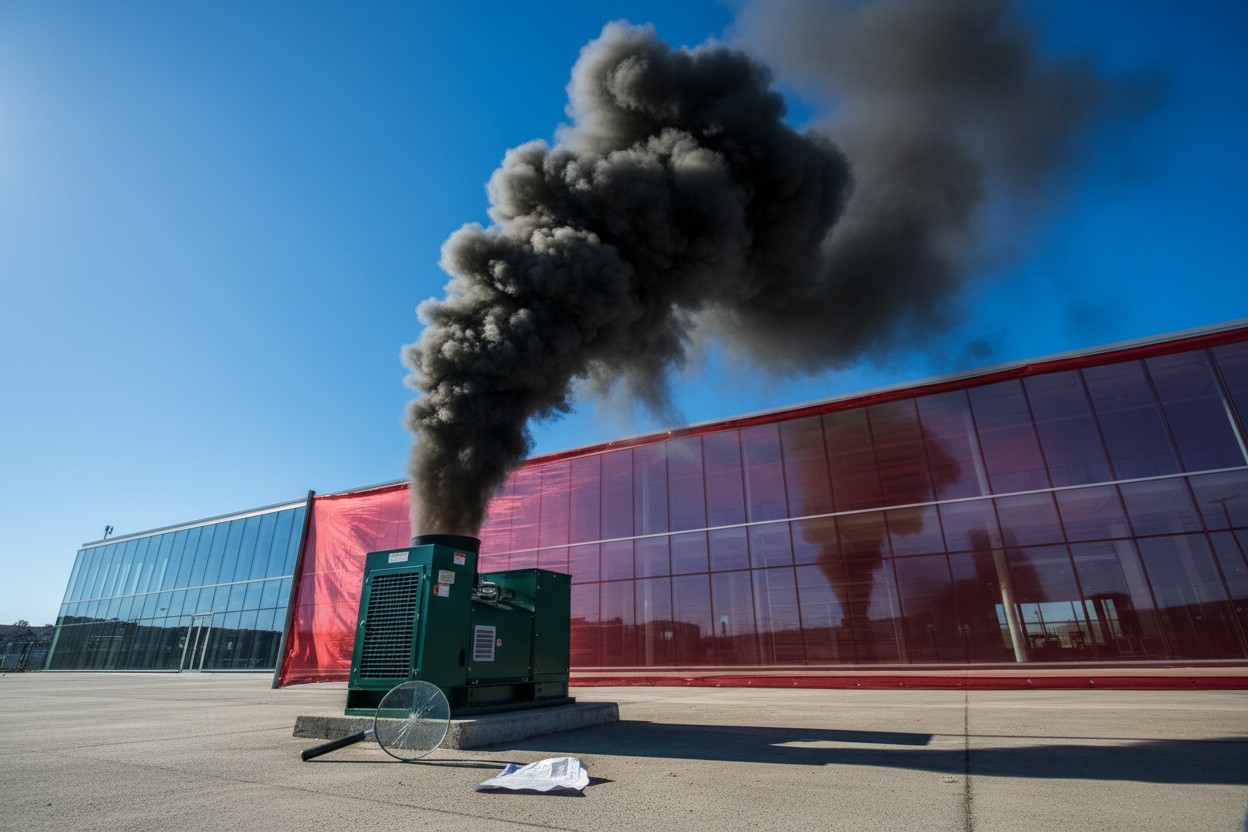
A new rule proposed by the Trump administration aims to eliminate public notification requirements for air pollution from data center projects, according to public health advocates.
The rule, issued by the Environmental Protection Agency (EPA), would make disclosure of emissions voluntary for state and local officials, reducing public oversight and community input on projects that often rely on diesel generators and gas turbines. The Clean Air Act currently requires operators of “minor” air pollution sources to disclose to the public, via state agencies, how much pollution their proposed project will release.
The proposed change would dismantle that protection for data center proposals, according to critics. The EPA has stated the change “is intended to reduce administrative burden and responsibly speed up permitting, supporting American economic development and energy dominance.”
Background: The Data Center Boom and Air Pollution Risks
Data centers, which are essential to the artificial intelligence boom, frequently use up to dozens of diesel generators or gas turbines to provide power or backup generation. These units emit nitrogen oxide, which helps form ozone, as well as carbon monoxide and heavy metals, among other pollutants. Many data center developers apply for “minor source” pollution permits, which allow state-level oversight rather than a more rigorous federal review.
This classification permits companies to keep emissions below thresholds that would trigger immediate federal oversight. However, critics say that Big Tech often chops permit requests into individual pieces for each generator or turbine, so each falls under “minor” reviews conducted by states – avoiding a larger EPA review that would be more costly and time consuming. The Trump administration’s broader deregulatory push, including the repeal of the EPA’s 2009 “endangerment finding” for greenhouse gases, has set the stage for this latest proposal, according to observers. [1][2]
Proposed Rule Details and Proponents’ Arguments
The proposed rule would make public disclosure of air pollution emissions for data center projects voluntary at the discretion of state and some local officials. The EPA stated in a release that the change “is intended to reduce administrative burden and responsibly speed up permitting” and that it “does not alter emission standards or weaken environmental protections.” The agency added that the proposal puts state agencies “most familiar with local issues in the driver’s seat.”
Supporters argue that the rule will accelerate development of data centers, which are critical to the U.S. technology sector, and reduce regulatory delays. The move aligns with the administration’s broader effort to roll back environmental regulations, including proposals to eliminate caps on greenhouse gases and mercury emissions from power plants, as reported by NaturalNews. [1][3] The EPA has also previously announced a major rollback of regulations affecting the power sector and vehicle emissions, aiming to stimulate economic growth. [2]
Critics: Transparency Eroded, Public Health at Risk
Former EPA assistant administrator Joe Goffman called the proposed rule a broken “ironclad promise” for public participation under the Clean Air Act. “The administration is basically saying: ‘You all may have thought this was an ironclad promise, but it no longer is,'” Goffman said. He co-authored comments on the proposed rule submitted by the Environmental Protection Network.
Jessica O’Donnell, senior attorney at the Environmental Law and Policy Center, said that some of the largest polluting sources in the Midwest, including data centers, “emit harmful air pollutants under so-called ‘minor source’ permits.” She added: “The public deserves to weigh in on such permits to ensure these industrial sources are given appropriate emissions limits and stick to them.”
Mike Koerber, a former deputy director of the EPA’s office of air quality planning and standards, stated: “This proposal continues efforts by the current administration to turn its back on the fundamental EPA principle of transparency.”
Critics argue that without public data, communities will not know what they are breathing once a data center is built and will have less ability to fight back in court or in public relations battles. The lack of transparency could also incentivize states to compete for data center investment by waiving public notice, effectively creating a “regulatory subsidy,” according to Goffman. [4][5]
Conclusion: Potential Legal and Regulatory Impacts
The proposed rule could face legal challenges if finalized, according to observers. The public comment period has recently closed, and the rule is expected to be finalized later this year. Environmental law clinics and public health advocacy groups have signaled they may challenge the rule in court, arguing it violates the Clean Air Act’s guarantee of public participation.
Former EPA officials have warned that the flexibility could be wielded as an incentive for states competing for data center investment, allowing behind-closed-doors permitting. This concern is especially relevant as the Trump administration seeks to accelerate data center development by expanding opportunities for “islanded” power-generation facilities that provide their own power generation instead of connecting to the grid.
The broader deregulatory trend, including the repeal of the endangerment finding, has already dismantled the legal basis for federal CO2 regulation, according to proponents. [6][7] The outcome of this rule could set a precedent for how other industrial sources are regulated in the future.
References
- Willow Tohi. “US EPA signals return to fossil fuel dominance with power plant emission rollbacks”. NaturalNews.com. June 18, 2025.
- Willow Tohi. “Unleashing energy empowering growth EPAs historic deregulatory push aims to revive economy while balancing envir”. NaturalNews.com. March 16, 2025.
- Belle Carter. “EPA proposes repeal of climate regulations on power plants A new era for energy policy”. NaturalNews.com. June 15, 2025.
- Ayana Elizabeth Johnson. “All We Can Save”.
- David Michaels. “The Triumph of Doubt”.
- Cassie B. “Overlooked EPA move ends CO2 endangerment could save trillions and reshape industry”. NaturalNews.com. April 22, 2026.
- Belle Carter. “Trump administration repeals key climate rule stripping EPAs power to regulate greenhouse gases”. NaturalNews.com. February 16, 2026.
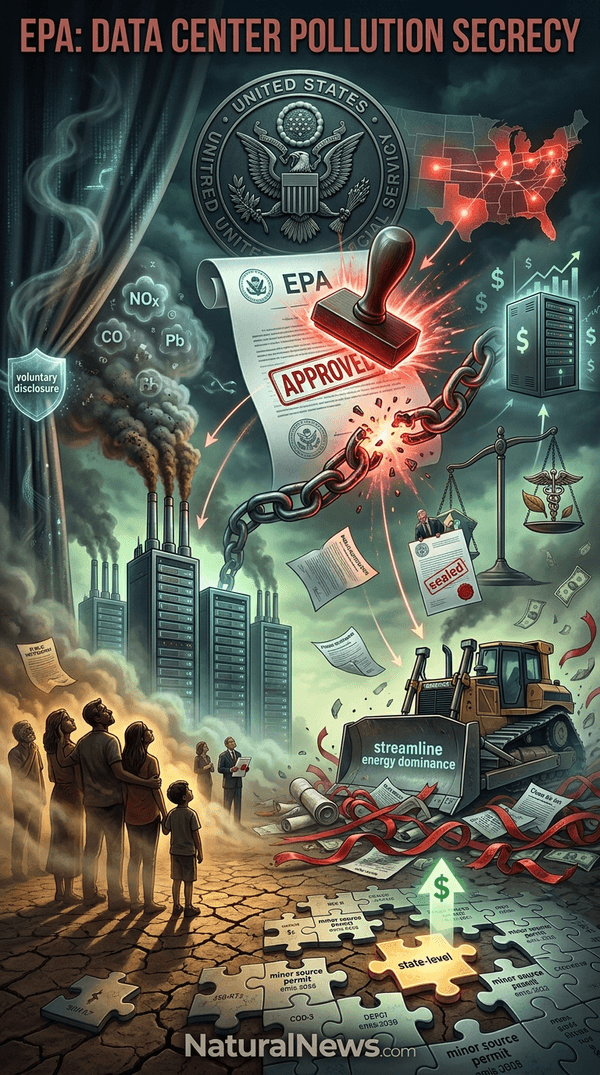
Explainer Infographic
Submit a correction >>
Tagged Under:
AI boom, artificial intelligence, big government, Big Tech, Clean Air Act, computing, data centers, emissions, Environmental Protection Agency, EPA Watch, future tech, information technology, local governments, permitting issues, proposed rule, robots, state governments, tech giants, Trump administration
This article may contain statements that reflect the opinion of the author
RECENT NEWS & ARTICLES