Trump Just Begged Putin for a Diesel Bailout: The Energy Crisis Is Here and It’s Going to Get Worse
10/12/2026 / By Mike Adams
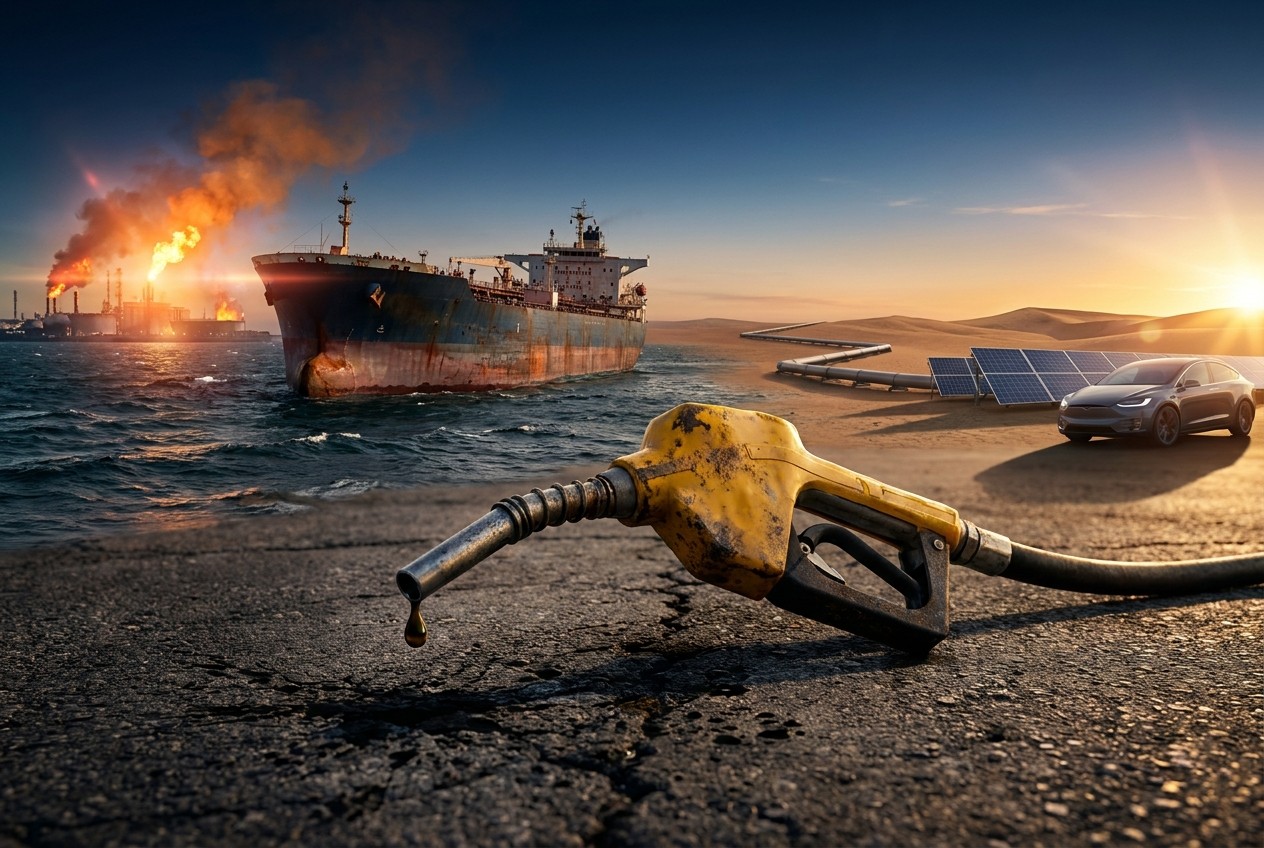
Why Trump Begged Putin for Diesel
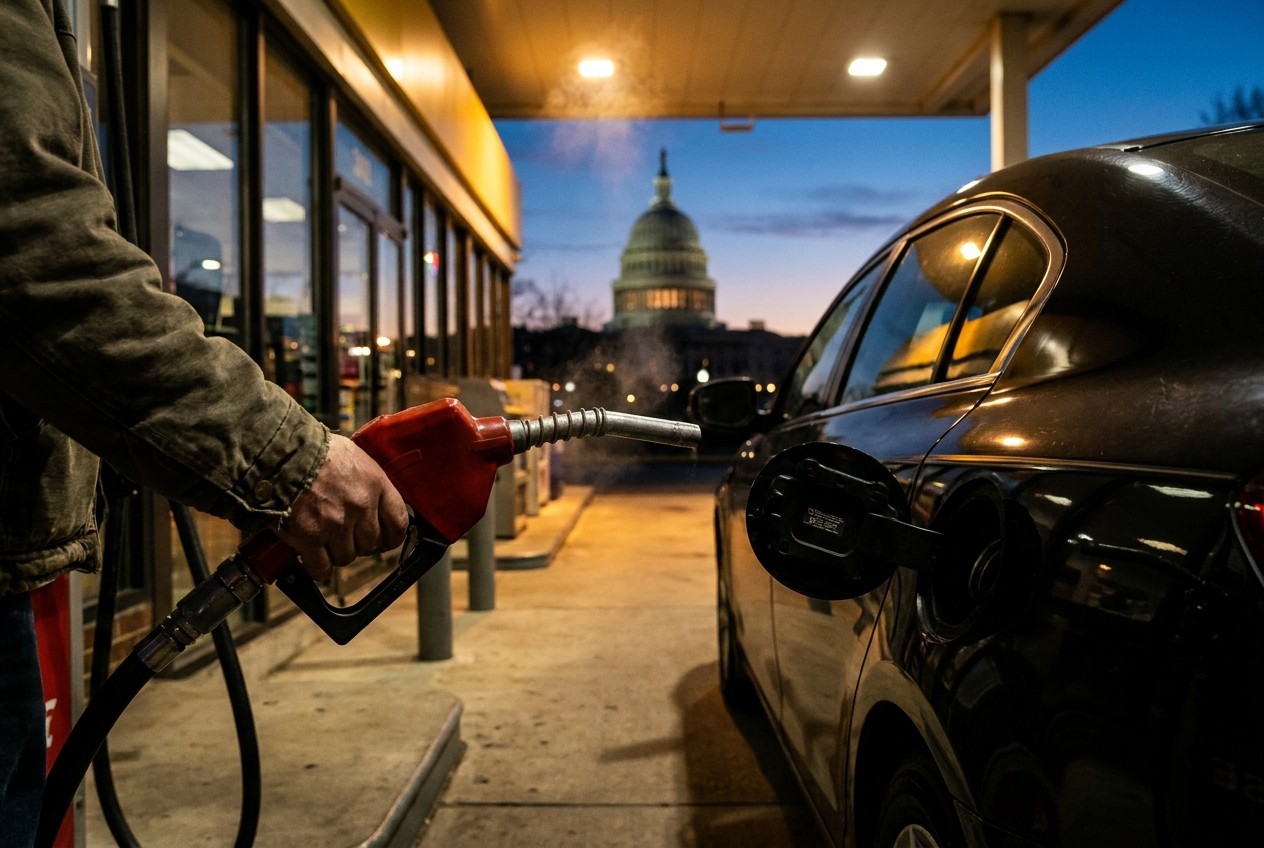
Three developments over a single weekend just ripped the mask off the global energy system, and I want you to understand exactly what happened before the corporate media buries it. President Trump called Vladimir Putin and, in my assessment, begged him to ship diesel to the United States. Ukraine answered by setting a Russian export terminal ablaze, and Iran-linked forces kept the Strait of Hormuz a live shooting gallery. All three happened over the same weekend. That is a red-alert emergency in the fuel that powers nearly every truck, tractor, train and cargo ship on Earth.
The most powerful nation on the planet, weeks before a midterm election, just went hat in hand to Moscow for the fuel that keeps America fed. I believe this is not a temporary spike that resolves itself by spring. This is the beginning of a long emergency that will reshape food, fuel and freedom for the rest of our lives.
The Diesel Bailout Exposes the Lie of American Energy Dominance
For years Trump told us the United States was energy dominant, that we were the ones supplying the world, that OPEC and Moscow needed us more than we needed them. You do not beg an adversary for diesel in an election year unless you are desperate, and Trump is clearly desperate.
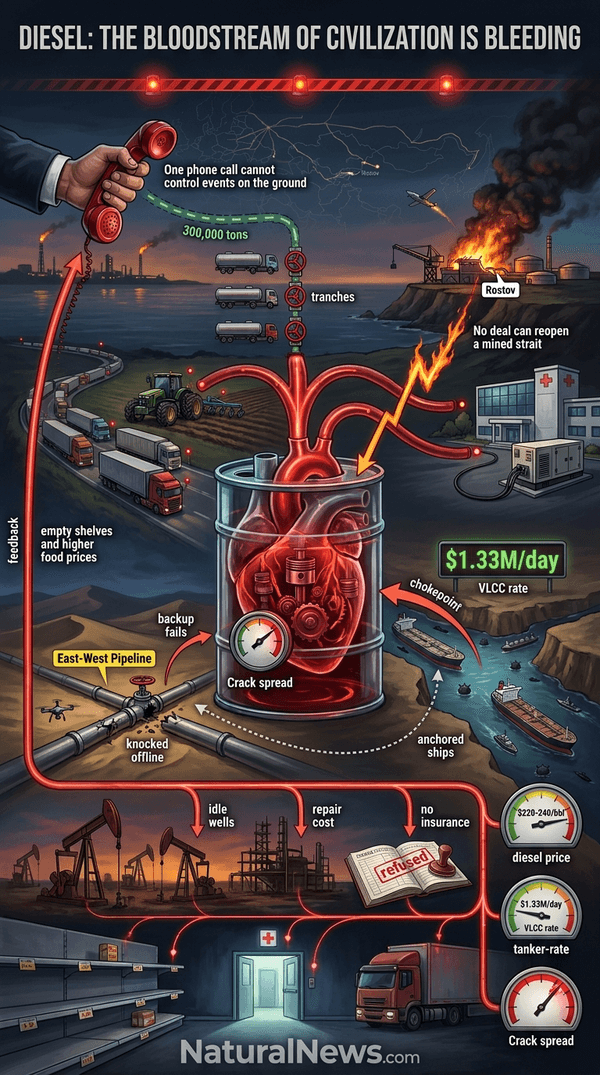
Run the numbers and the desperation gets worse, not better. Three hundred thousand tons of diesel fuel sounds enormous until you realize it is only a few days of American diesel consumption, and the promised volumes are staggered precisely because Putin wants to see whether Trump delivers on whatever else was promised.
Volodymyr Zelensky blasted the move as a gift to the Kremlin, a decision that protects Russian refineries while Ukraine gets nothing [1]. Every promise of American energy independence just collided with the reality that our just-in-time fuel economy has no redundancy, no spare refining capacity and no friends left who will rescue us for free.
What Did Trump Promise Putin? The Hidden Terms of the Diesel Deal
Putin did not wake up one morning and decide to bless American motorists out of Christian charity. The Russian diesel export ban had been in place since July, extended through the end of October, precisely because Ukrainian drones were gutting Russian refining capacity [2]. So why would Moscow suddenly reverse course and ship fuel to the very country arming its enemy? Because it extracted something. There is always a demand list, and I believe Trump said yes to most of it.
Look at the timing and the incentives. Axios reported that Trump approved the sanctions waiver after Zelensky ignored half a dozen American requests to stop attacking Russian oil refineries — the alleged source being a U.S. official [3][4]. In other words, the price of Putin’s diesel may well have been Washington pressuring Kyiv to stop destroying the very refineries now supposed to supply us. Other plausible terms float through the back channels: releasing frozen Russian assets, reviving Nord Stream, easing secondary sanctions on Russian oil exports, or simply standing down on enforcement. I cannot prove every clause, and neither can you, because this deal was cut in a phone call, not a treaty. That is precisely the problem with backroom energy diplomacy between two men who each believe they are outsmarting the other.
The staggered delivery schedule is the tell. Putin ships 300,000 tons now, watches what Trump actually delivers in return, then decides whether the November and December tranches arrive at all. Trump likely cannot even enforce the basics of his own bargain. Ukraine struck the NZNP Rostovsky oil export terminal in Rostov-on-Don and set it ablaze just hours after the U.S. eased sanctions on Russia [5][6]. If the president of the United States cannot protect the fuel terminal that is supposed to fill American trucks, what exactly did he get for his signature, and what did he surrender to get it?
Hormuz Is a Minefield: Tankers Burning and Insurance Costs Exploding
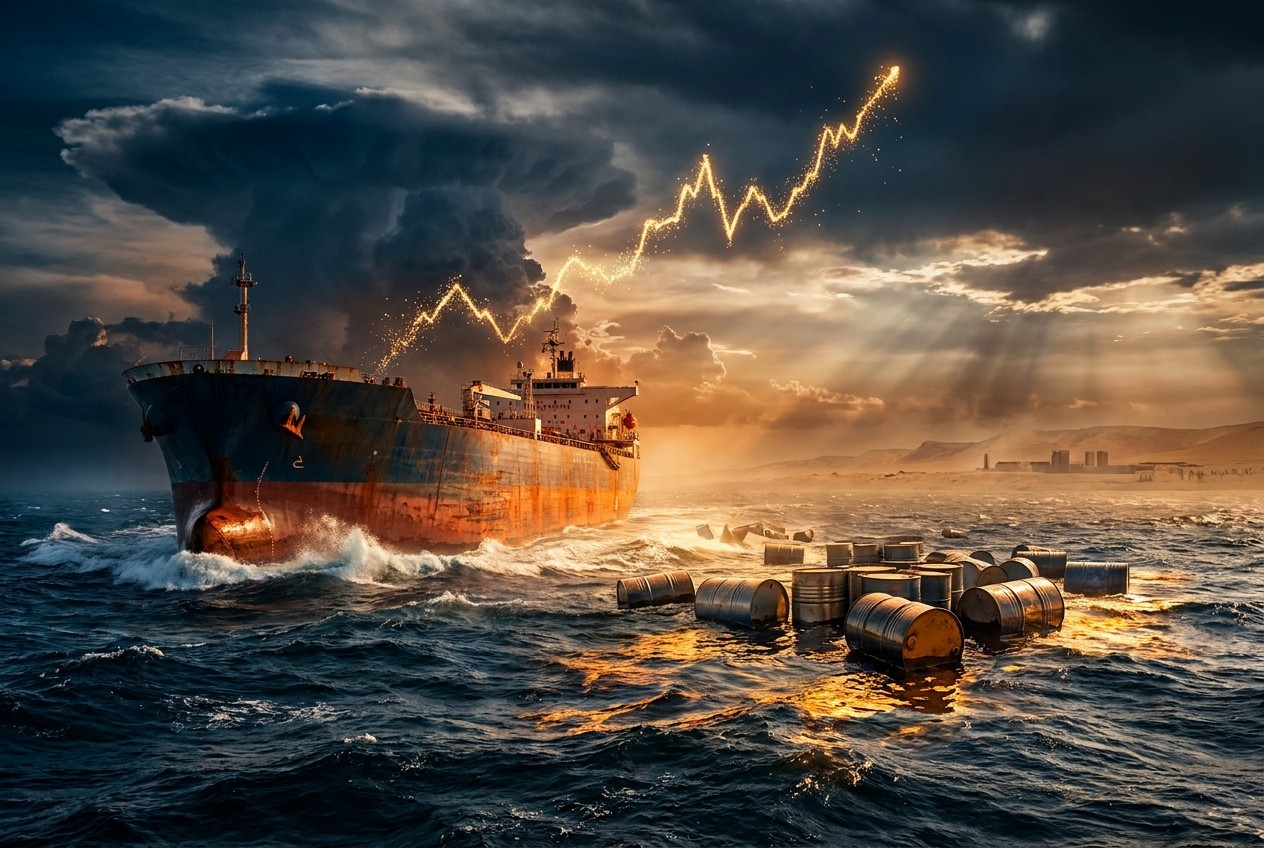
While Washington negotiates with Moscow, the actual chokepoint of the world economy is on fire. The Strait of Hormuz was effectively closed after the United States and Israel attacked Iran on February 28, removing Middle Eastern barrels from the market [7]. Trump keeps declaring total control of the strait, but every burning hull in that waterway says otherwise.
The insurance market is screaming what the politicians will not. A record million-dollar-a-day charter for a supertanker, reported just weeks ago as an obscene punchline, has become the floor — the benchmark Saudi Arabia-to-China VLCC route hit $1.33 million per day, up 10% on the week and 21 times where it stood a year earlier [8]. Those costs do not vanish; they land on the price of every barrel of delivered crude and every gallon of refined product.
Diesel is where this gets genuinely terrifying. The diesel crack spread — the refining margin between crude and finished diesel — exploded back above record levels as Gulf and Russian supply disruptions tightened [9]. When that spread blows out, diesel can effectively cost $220 to $240 per barrel in the real world even though crude trades far lower. Experts told Responsible Statecraft that the happy talk about rising oil traffic papers over increasing prices, exhausting reserves and an unsustainable security situation, because Iran is still attacking [10]. You cannot bomb a strait open.
Saudi Refineries and the Houthi Blockade: The Third Shock
The third leg of this collapse is ailing before our eyes, and it is the one the American public understands least. Saudi Arabia’s East-West Pipeline was knocked offline after an alleged Houthi drone attack on Mecca crossed what the kingdom called a red line, with the Saudi-led coalition warning of deeper conflict to come [11]. Aramco refining and storage infrastructure has come under repeated attack, and Ansar Allah now threatens the Bab el-Mandeb chokepoint as well. Reports claiming Saudi oil flow was “restored” are premature spin. Pumping stations along a 1,200-kilometer desert pipeline are trivially easy to destroy and painfully slow to rebuild, which means the pipe is a target every single day, not a solution.
Meanwhile, idle oil wells do not wait politely to be switched back on. Larry C. Johnson summarized the forward outlook bluntly — the war’s damage to Gulf energy infrastructure is not a temporary price spike, it is a structural wound [12]. Any financial analyst telling you the market has priced this in is either lying or has never tried to finance a refinery rebuild in a war zone.
Here is the fact nobody in the financial press wants to say out loud: without regional stability, no one will invest a single dollar to rebuild pipelines, refineries, ports and loading docks. Insurance underwriters will not touch it, engineers will not deploy into it, and sovereign wealth funds will not finance it. That is how a regional conflict becomes a permanent energy tax on every human being on the planet. The damage is not cyclical. It is permanent until the region is pacified, and there is no peace plan on the table.
This Is the Long Emergency: Why I’m Driving on Sunlight and You Should Prepare
The global energy emergency outlook is worsening by the day. There is no peace plan, no quick fix, and no return to 2025 energy abundance in our lifetimes. The five-year fuel crisis framing that serious analysts have begun using is optimistic, in my judgment [12]. Trump’s fantasy of cheap gas after the midterms ignores destroyed infrastructure on two continents and a distribution chokehold in Hormuz and Bab el-Mandeb that no American president can bomb into submission [13].
Understand what diesel scarcity actually means for your family, because it is not a matter of shortages at the pump — it is a matter of affordability everywhere else. Diesel is the bloodstream of the food supply chain, and sixteen trucking companies filed for bankruptcy in a single recent month with hundreds more expected to follow [14]. Every dollar diesel adds shows up in bread, milk, fertilizer and delivery fees, and the UN is already preparing for a massive spike in global hunger in 2027 [15]. The shelves will not empty so much as become unaffordable. Global crop prices just posted their largest quarterly jump since the Ukraine invasion, with corn and wheat each climbing 15% and soybeans gaining 13% [16]. That is the mechanism by which an energy crisis becomes a malnutrition crisis.
So what am I actually doing about it? I sold my diesel truck because I saw the writing on the wall, and I have been preparing for fuel chaos for years, stockpiling when diesel was cheap and filling storage tanks when red diesel was $2.50 a gallon [17]. I am going further now. I am buying an electric vehicle, setting up solar charging so that no fuel cartel or sanctions waiver determines whether I can move, and urging everyone I know to do the same.
Self-reliance is the only rational answer to the coming decade of economic and geopolitical hell. Learn what you can at BrightLearn.ai, get uncensored research at BrightAnswers.ai, and do not wait for permission from a government that just outsourced the nation’s fuel supply to Vladimir Putin.
References
- Zelensky slams Trump's diesel deal with Russia – The Hill. https://thehill.com/policy/energy-environment/6140146-zelensky-blasts-trump-russia-diesel-deal/
- US Lifts Sanctions on Russian Diesel for Six Months After…. 2026-10-10T00:42:48Z. https://shipandbunker.com/news/world/445068-us-lifts-sanctions-on-russian-diesel-for-six-months-after-trump-putin-call
- Payback: Trump Cut Putin Diesel Deal After Zelensky Ignored Six Pleas To Stop Refinery Strikes. 2026-10-10T04:22:03.000Z. https://www.zerohedge.com/energy/payback-trump-cut-putin-diesel-deal-after-zelensky-ignored-six-pleas-stop-refinery-strikes
- Trump lifted Russian fuel ban after Zelensky rejected his demands – Axios. 2026-10-10T13:58:10.000Z. https://www.rt.com/russia/647023-zelensky-rejected-trump-demands-russia/?utm_source=rss&utm_medium=rss&utm_campaign=RSS
- Ukrainian Drones Reportedly Hit Major Russian Fuel Export Hub Hours After Trump-Putin Diesel Deal. 2026-10-10T12:45:00.000Z. https://www.zerohedge.com/energy/ukrainian-drones-reportedly-hit-major-russian-fuel-export-hub-hours-after-trump-putin-diesel
- Russia helps Trump get badly needed diesel for struggling …. 2026-10-11T04:55:16Z. https://www.reddit.com/r/energy/comments/1x2fd6n/russia_helps_trump_get_badly_needed_diesel_for/
- US diesel export ban threats Europe – Brussels Signal. 2026-10-02T12:08:14Z. https://brusselssignal.eu/2026/10/us-diesel-export-ban-threat-presses-europe-to-open-emergency-fuel-stocks/
- The $1 Million Tanker Was Just The Start: Every Crude Freight Index Hits Record High As Hormuz “Works” Too Well. 2026-10-06T18:40:00.000Z. https://www.zerohedge.com/markets/1-million-tanker-was-just-start-every-crude-freight-index-hits-record-high-hormuz-works-too
- Diesel Crack Spread Explodes To Record As Russia Weighs Longer Export Ban, US Eyes Its Own. 2026-09-16T13:45:00.000Z. https://www.zerohedge.com/energy/diesel-crack-spread-explodes-record-russia-weighs-longer-export-ban-us-eyes-its-own
- Increase in Hormuz oil traffic is papering over a darker reality. 2026-10-05T00:00:00.000Z. https://responsiblestatecraft.org/hormuz-oil-transits-war/
- Saudis Threaten Retaliation After Alleged Houthi Drone Attack On Mecca Crosses “Red Line”. 2026-09-16T11:20:00.000Z. https://www.zerohedge.com/geopolitical/saudis-threaten-retaliation-after-alleged-houthi-drone-attack-mecca-crosses-red-line
- The Five-Year Fuel Crisis Why The World Economy Is Paying For A War It Thinks Is Ending. 2026-10-06T03:25:00.000Z. https://www.zerohedge.com/markets/five-year-fuel-crisis-why-world-economy-paying-war-it-thinks-ending
- Bright Videos News – BRICS AI COOPERATIVE CHINESE AI GIANTS FAMINE IN 2027 – Mike Adams – BrightVideos.com, July 20, 2026. by Mike Adams – BrightVideos.com
- The Diesel Domino Effect: Why 16 Trucking Bankruptcies Signal a Coming Food Crisis. 2026-10-02T06:00:00.000Z. https://www.naturalnews.com/2026-10-02-why-16-trucking-bankruptcies-signal-food-crisis.html
- This Is What A “Perfect Storm” Looks Like: A Global Fertilizer Crisis, A Global Fuel Crisis, A Super El Niño And World War 3 All At The Same Time. 2026-10-10T16:01:20.066Z. https://activistpost.com/this-is-what-a-perfect-storm-looks-like-a-global-fertilizer-crisis-a-global-fuel-crisis-a-super-el-nino-and-world-war-3-all-at-the-same-time/
- Global Crop Prices Post Largest Quarterly Jump Since Ukraine Invasion, Index Shows. 2026-10-02T06:00:00.000Z. https://www.naturalnews.com/2026-10-02-global-crop-largest-quarterly-jump-ukraine-invasion.html
- Texas Declares Diesel Emergency as Fuel Supply Chain Strains. 2026-09-30T06:00:00.000Z. https://www.naturalnews.com/2026-09-30-texas-declares-diesel-emergency-supply-chain-strains.html
Explainer Infographic
Submit a correction >>
Tagged Under:
Collapse, conspiracy, corruption, current events, deception, diesel, Donald Trump, energy, energy crisis, energy supply, environment, fuel crisis, fuel supply, global collapse, government, lies, national security, politics, propaganda, Russia, Trump, Vladimir Putin, war on Iran
This article may contain statements that reflect the opinion of the author
RECENT NEWS & ARTICLES