Iran’s seven demands, a shuttered strait and the hollow threat behind Tehran’s words
10/14/2026 / By Lance D Johnson
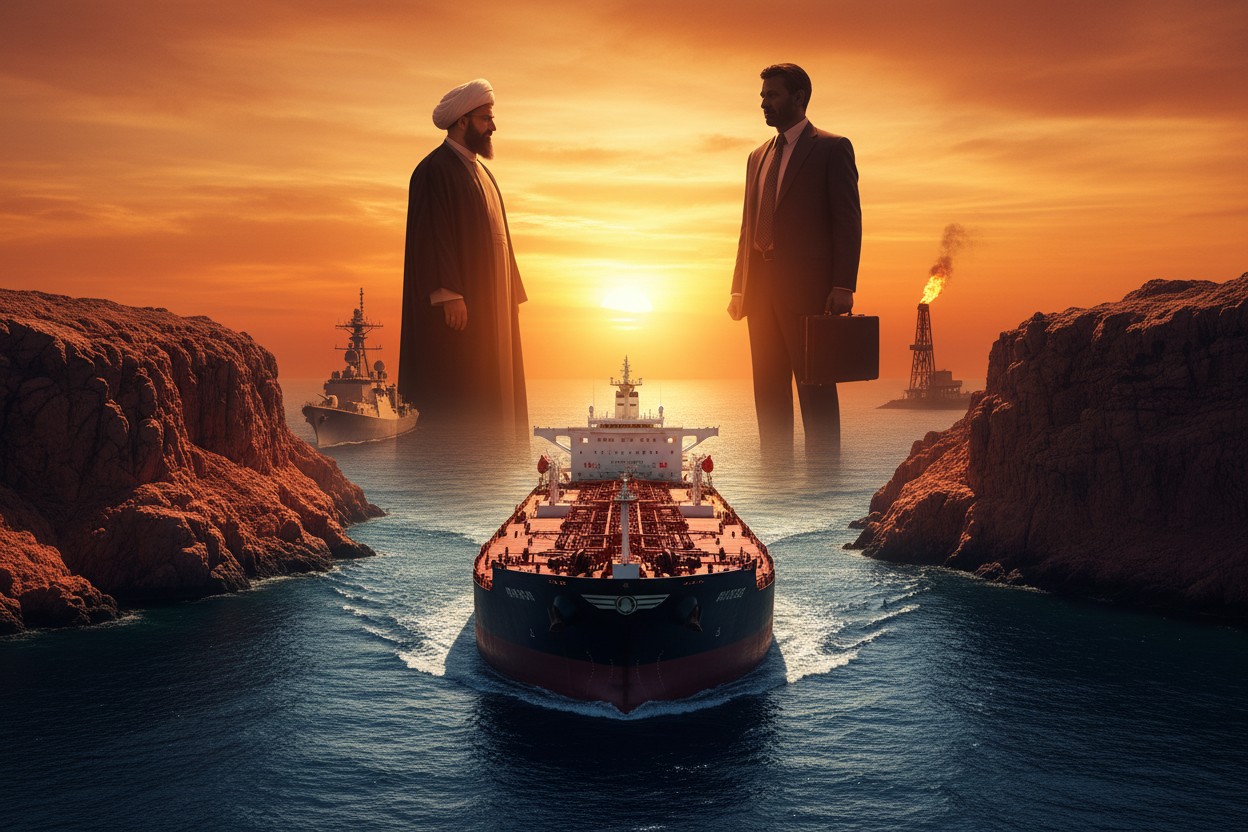
Tehran wants the world to believe it controls the global energy lifeline and that Washington must negotiate on Iran’s terms. Yet Iran’s own officials are giving the public two different accounts of where talks stand. A blockade that also chokes the country enforcing it loses value with each passing day. Iran’s position depends entirely on its ability to back up its own words, and those words are starting to sound hollow.
Key points:
- Deputy Foreign Minister Kazem Gharibabadi says Iran is finalizing a response to Washington, while Mohsen Rezaei says Iran is “no longer in the process of responding to the Americans”.
- Rezaei admitted Washington “accepted some of our conditions,” undercutting the claim that the American reply was insufficient.
- Iran vows to keep the Strait of Hormuz closed to the U.S. and to hold no negotiations until its seven conditions are met, yet indirect talks through Qatar continue.
- President Donald Trump paused new strikes until after the Nov. 3 midterms, but the Pentagon has reportedly drafted plans for a renewed large-scale offensive.
Two voices, one stalled process
Gharibabadi told Qatar-based Al Araby TV on Monday that Iran is preparing a formal response to be delivered through mediators once internal consultations conclude. He accused Washington of failing to honor its obligations under the Islamabad Memorandum of Understanding. “Under circumstances in which Tehran believes the United States has not fully complied with its commitments, Iran cannot be expected to show greater flexibility,” he said. He added that Tehran is as prepared to defend itself and engage in military conflict as it is to pursue diplomacy.
The posture sounds firm until it is set beside what Rezaei, secretary of Iran’s Supreme National Security Council, said a day earlier. Iranian state media reported that Rezaei called the American reply inadequate and said Tehran was waiting for clarification rather than drafting another answer. One senior official says a response is being finalized. Another says the response business is over. When the people steering a negotiation cannot agree on whether they are even holding the pen, the message to adversaries is not strength. It is disarray.
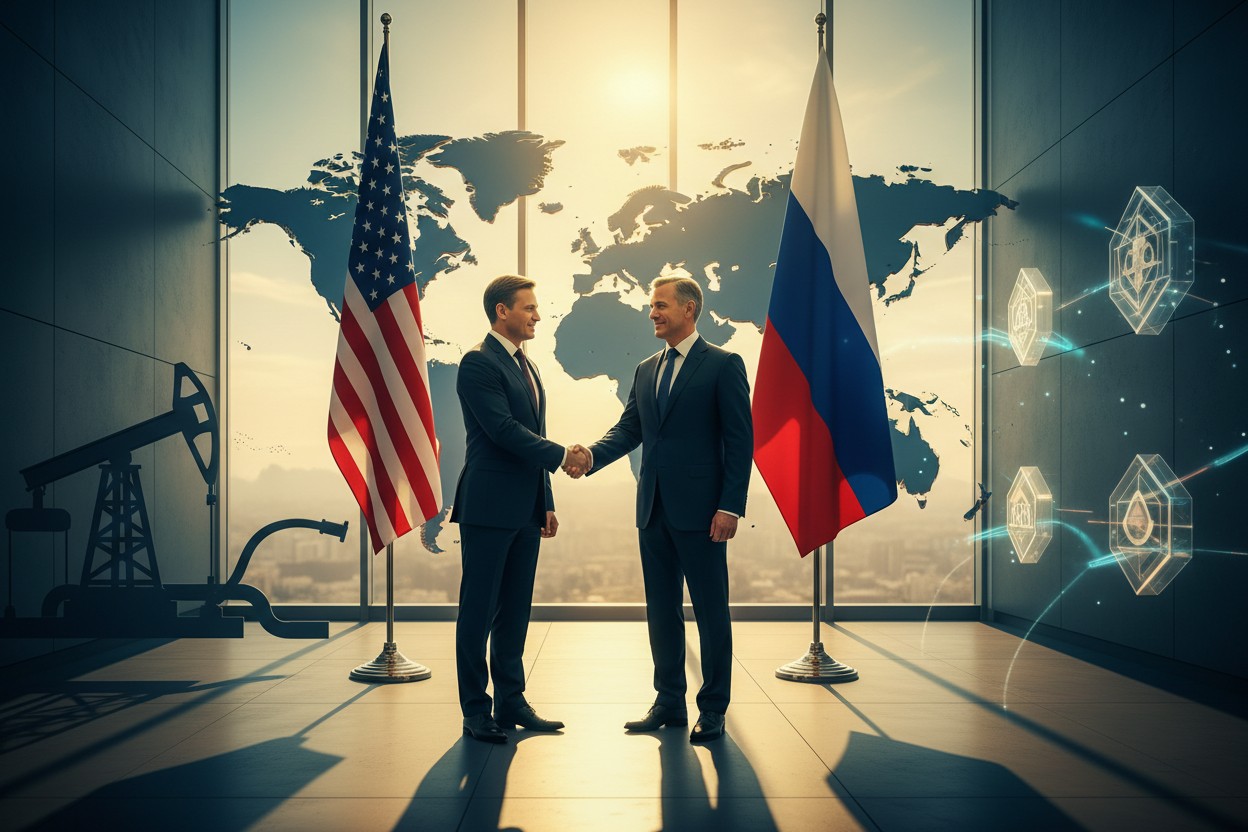
Rezaei’s other remark is more damaging still. “We presented seven conditions to the Americans and clearly stated that the Strait of Hormuz would not be opened to them, and no negotiations would take place, until these conditions are met,” he said. Yet in the same breath he conceded, “In their response, they have accepted some of our conditions, while others remain unclear.” A government that admits its rival has already met part of its demands, while insisting no talks can occur, has painted itself into a rhetorical corner. Messages are still moving between the two capitals through Qatar and other regional intermediaries, which means the “no negotiations” line has already bent.
In fact, the conditions were unveiled during the United Nations General Assembly. Tehran offered to restore normal maritime traffic through the waterway within seven days if Washington agreed to all seven. The offer followed the collapse of a Gulf ceasefire. In late September, Iran announced it had received an American reply to an earlier proposal to revive that truce, just days after Trump said he had rejected Tehran’s proposal. The pattern is a familiar one of proposals, rejections, clarifications and stalemate, with no agreement reached.
A strait that cuts both ways
To grasp why Iran’s leverage is double-edged, consider the geography. The Strait of Hormuz is a narrow chokepoint at the mouth of the Persian Gulf, and roughly a fifth of the world’s oil has traditionally passed through it. Iran has brandished the threat of closing it for decades, from the Tanker War of the 1980s to the tense standoffs that followed Washington’s 2018 withdrawal from the Iran nuclear deal. The threat endures because it is potent. It also endures because it is rarely carried out for long. Iran’s own coastline, ports and oil exports depend on the same water. A tourniquet applied to the world’s arteries is also a noose around Tehran’s neck.
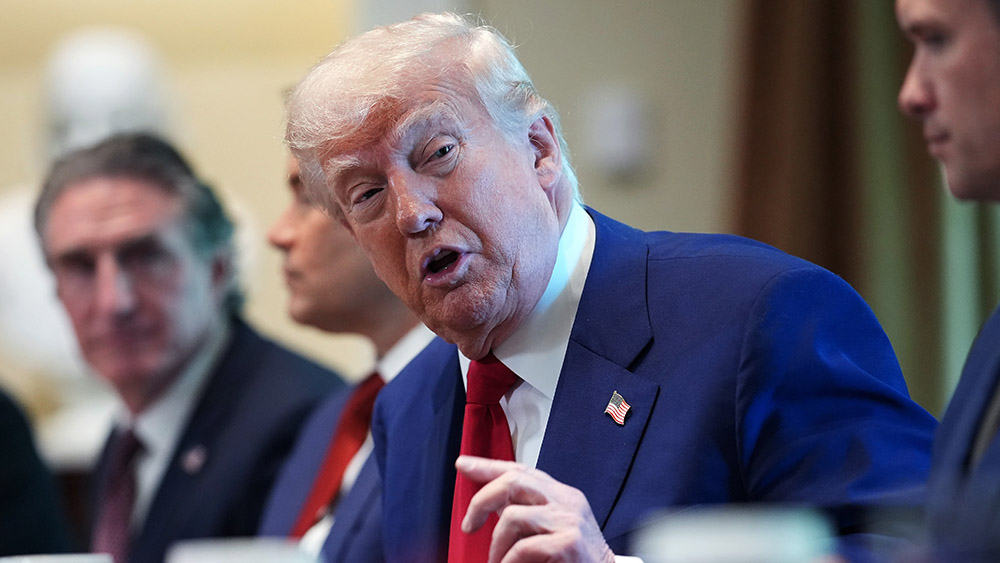
Trump has seized on that vulnerability. He has described Iran as facing severe economic and military difficulties while promising continued pressure on its government. On Thursday, he announced no additional strikes before the midterm elections. “We are having productive discussions with the Islamic Republic of Iran,” he wrote on Truth Social. At a White House event Friday, he said, “We can do it either way, but it’s very simple – one way or another it’s gonna be over soon.”
Skeptical readers should resist the temptation to treat the pause as mercy. The election-season restraint carries an expiration date, and the Pentagon has reportedly developed plans for a renewed large-scale offensive. Washington, for its part, is signaling patience while keeping the sword unsheathed, and the White House did not immediately respond to a Reuters request for comment on Iran’s latest remarks.
For Tehran, that leaves an uncomfortable arithmetic. Its stance hinges on a closed strait it cannot keep closed forever, seven conditions it cannot enforce, and a promise of military readiness it hopes never to test. Every contradiction between its officials, and every hedge between its ultimatums and its quiet participation in mediated talks, tells Washington where the cracks are. Words backed by leverage can move markets and capitals. Words that outrun the ability to enforce them eventually become noise.
Sources include:
Submit a correction >>
Tagged Under:
big government, diplomacy, Donald Trump, Gharibabadi, Gulf ceasefire, Iran, Islamabad Memorandum, Middle East, Midterm elections, military conflict, Mohsen Rezaei, national security, oil chokepoint, Pentagon plans, Persian Gulf, politics, Qatar mediators, Strait of Hormuz, Supreme National Security Council, Tehran leverage, United Nations
This article may contain statements that reflect the opinion of the author
RECENT NEWS & ARTICLES