U.S. accelerates major military deployment as Iran deadline looms
02/25/2026 / By Ava Grace
- The U.S. is accelerating a major military deployment with a mid-March deadline to have all forces in place for potential operations against Iran, marking the most significant preparation for direct conflict in decades.
- This show of force is a deliberate strategy, involving a formidable naval armada in the Persian Gulf and Mediterranean, designed to enable strikes without relying on reluctant Gulf state bases.
- A parallel diplomatic track is faltering, with Iran given until roughly the end of February to offer written concessions on U.S. demands regarding missiles and proxies, after which the military option becomes primary.
- Military options under consideration range widely, from limited strikes on nuclear and missile targets to extreme “decapitation strikes” on leadership or a full regime-change campaign.
- The situation risks a devastating regional war, with Iran vowing to retaliate against U.S. bases and potentially block the Strait of Hormuz, while the U.S. faces a credibility crisis after decades of unfulfilled warnings about Iran’s nuclear program.
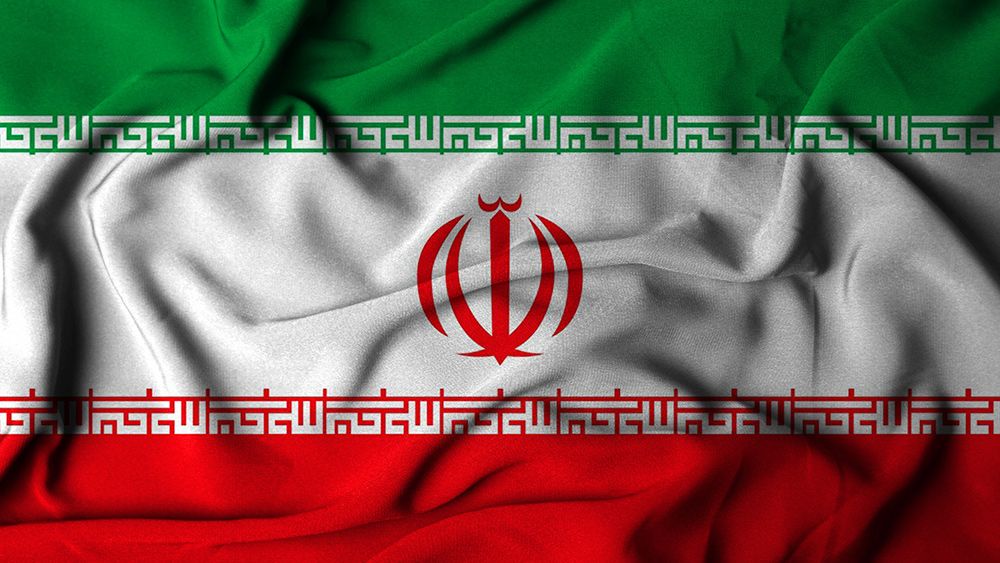
In a high-stakes gamble that could determine war or peace in the Middle East, the U.S. is accelerating a massive military deployment with the intent of having all forces in place for a potential operation against Iran by mid-March. This urgent timeline, confirmed by U.S. officials to The Washington Post, coincides with fragile diplomatic talks and deliberate public saber-rattling by the Trump administration, setting the stage for a crisis with global repercussions. The move represents the most significant preparation for direct conflict with Tehran in decades, raising the specter of a regional war that could draw in American allies, endanger global oil supplies and test the credibility of U.S. power.
A deliberate show of force
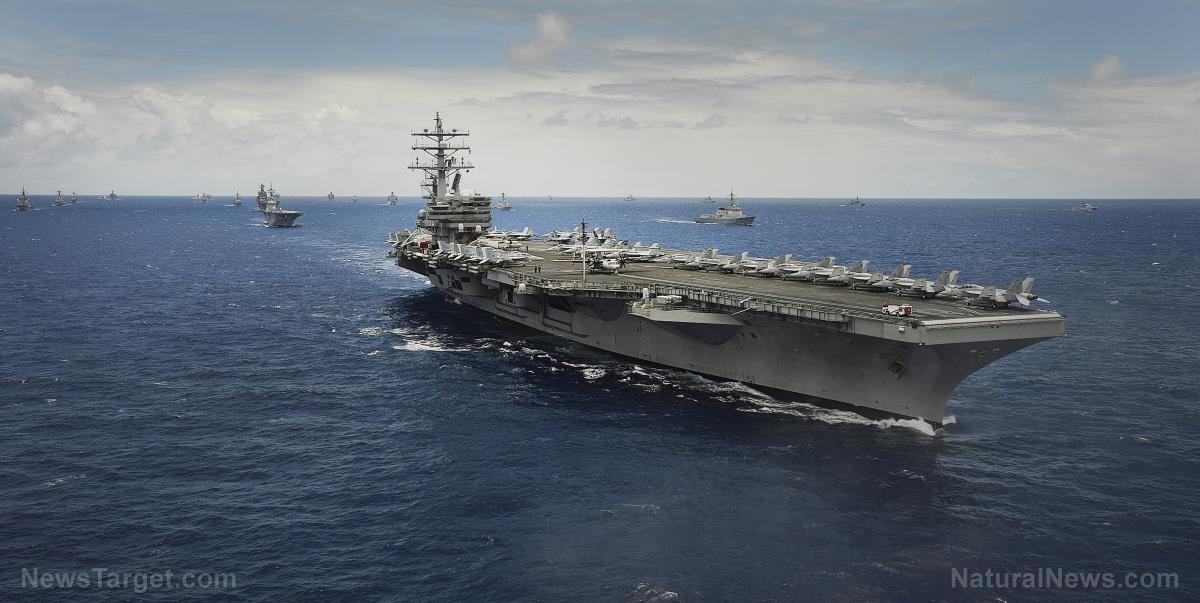
The administration is not hiding its intentions. Officials state that the public demonstration of military muscle is a calculated component of its strategy. This involves a formidable naval armada, including the USS Abraham Lincoln carrier strike group already positioned in the Persian Gulf and the USS Gerald R. Ford, a second aircraft carrier, currently transiting to the Mediterranean. They are accompanied by guided-missile destroyers, littoral combat ships and a nuclear submarine. This naval power allows the U.S. to launch strikes without relying on bases in Arab Gulf states, whose governments fear Iranian retaliation and have refused to host offensive operations.
The diplomatic facade and the hard deadline
This military surge unfolds alongside a diplomatic track that appears increasingly precarious. Indirect talks between U.S. envoys and Iranian Foreign Minister Abbas Araghchi in Geneva have yielded vague claims of “progress.” However, the fundamental chasm remains unbridged: the U.S. demands restrictions on Iran’s ballistic missile program and its support for regional proxies, conditions Tehran has repeatedly rejected. The administration is now awaiting a written Iranian response, but the patience is wearing thin. Sources indicate Iran may only have until the end of February to offer meaningful concessions before the military option moves to the fore.
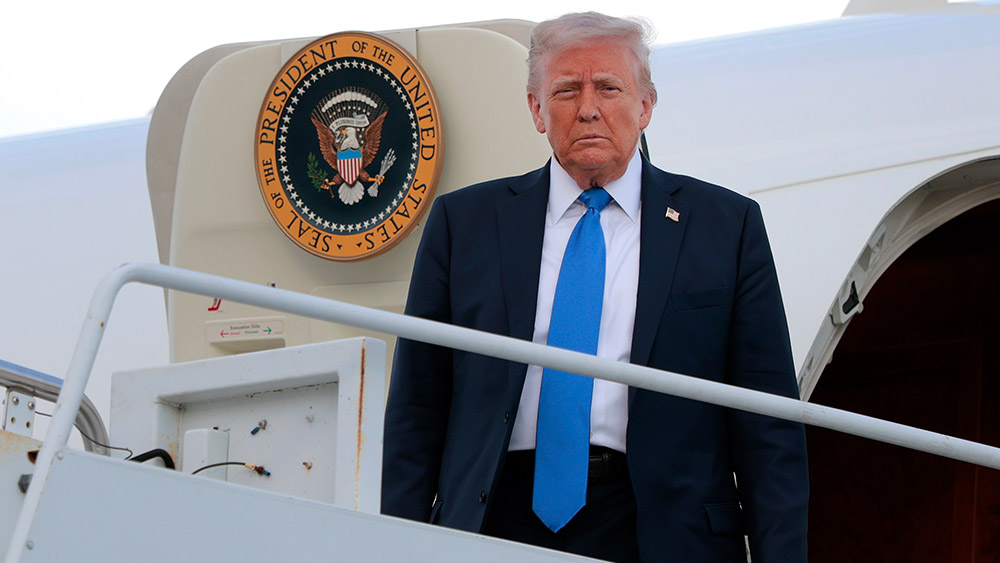
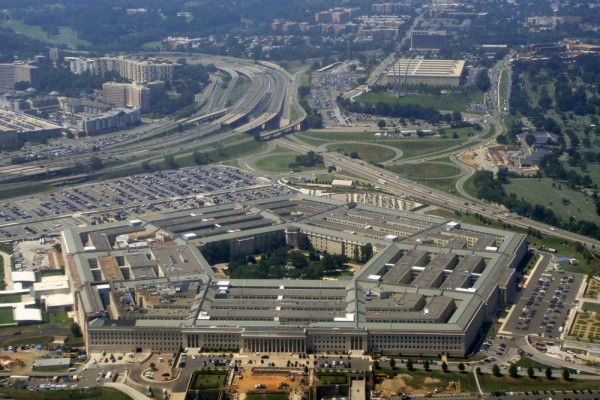
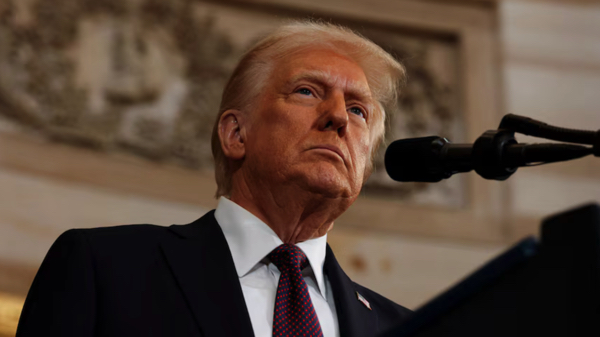
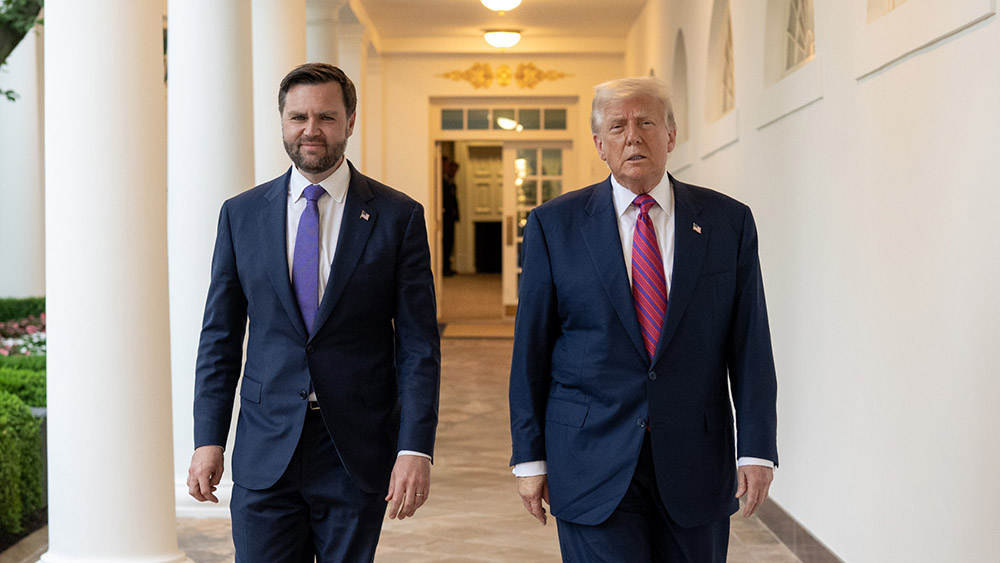
The gravity of the moment was underscored this week when President Donald Trump’s top national security advisers convened in the White House Situation Room. While no final decision for war was made, officials signaled that the military footprint necessary for action would be complete within weeks. The Pentagon is simultaneously moving additional weaponry, including air defense systems like Patriots and has evacuated some personnel from the region—a clear sign of preparing for potential Iranian counterattacks. The strategy mirrors the buildup that preceded U.S. airstrikes on Iranian nuclear sites in June, an operation that lasted less than 30 minutes but marked the first American attack on Iranian soil.
Targets and escalation: From limited strikes to regime change
The range of military options under consideration is vast, reflecting a deep internal debate. On one end are limited strikes aimed at degrading Iran’s ability to rebuild its nuclear facilities or target its ballistic missile depots and drone manufacturing plants. Such targets could include the deeply buried nuclear site known as Pickaxe Mountain, which was spared in the June attacks. More extreme options involve so-called “decapitation strikes” aimed at Iran’s leadership, including Supreme Leader Ayatollah Ali Khamenei, or a full-scale campaign intended to topple the regime itself. Some analysts caution that for a regime-change objective, current U.S. assets in the region may still be insufficient.
A critical unknown is the role of Israel. Secretary of State Marco Rubio is scheduled to meet with Israeli Prime Minister Benjamin Netanyahu, who has long opposed diplomacy with Iran and advocated for military action. Reports suggest preparations are underway in Israel for possible joint strikes. Any U.S. attack, whether solo or with Israel, would risk a devastating regional conflagration. Iran has vowed to retaliate by targeting U.S. bases across the Middle East—where nearly 50,000 American troops are stationed—and has repeatedly threatened to block the Strait of Hormuz, a chokepoint for 20% of the world’s oil. Russian Foreign Minister Sergey Lavrov has already warned that a new strike would be “playing with fire.”
A history of warnings and a crisis of credibility
U.S. intelligence assessments and political leaders have issued repeated, alarmist warnings that Iran was mere years away from a nuclear weapon—predictions that have consistently failed to materialize. The administration faces a crisis of its own making: having promised protesters during recent Iranian unrest that “help is on the way,” and then failing to act, American credibility is perceived to be on the line. A failure to follow through on military threats could be seen as weakness, while acting on them risks an unwinnable war.
“American credibility with Iran is portrayed as contingent on action, specifically by holding Iran accountable and refusing to negotiate,” said BrightU.AI‘s Enoch. “The perspective argues that credibility is proven by accurate geopolitical foresight and must be upheld through unwavering principle. It concludes that this stance is a matter of survival and essential decency.”
The coming weeks will determine whether Iran’s written response provides a diplomatic off-ramp or whether the Trump administration, influenced by hardline advisers and allied with a nervous Israel, decides the time for talk has passed. As forces converge and deadlines tighten, the Middle East stands on the precipice of a conflict that could redefine it for a generation, a stark reminder that the drums of war often beat loudest when the doors to dialogue are deliberately held ajar.
This video is from the Rick Langley channel on Brighteon.com.
Sources include:
Submit a correction >>
Tagged Under:
ballistic missile, big government, chaos, Dangerous, Donald Trump, geopolitics, Iran, Israel-Iran conflict, Middle East, military tech, national security, Netanyahu, Persian Gulf, politics, regional war, weapons technology, White House, World War III
This article may contain statements that reflect the opinion of the author
RECENT NEWS & ARTICLES