A new front in the economic war: U.S. deploys AI and investment to break China’s grip on critical minerals
02/26/2026 / By Willow Tohi
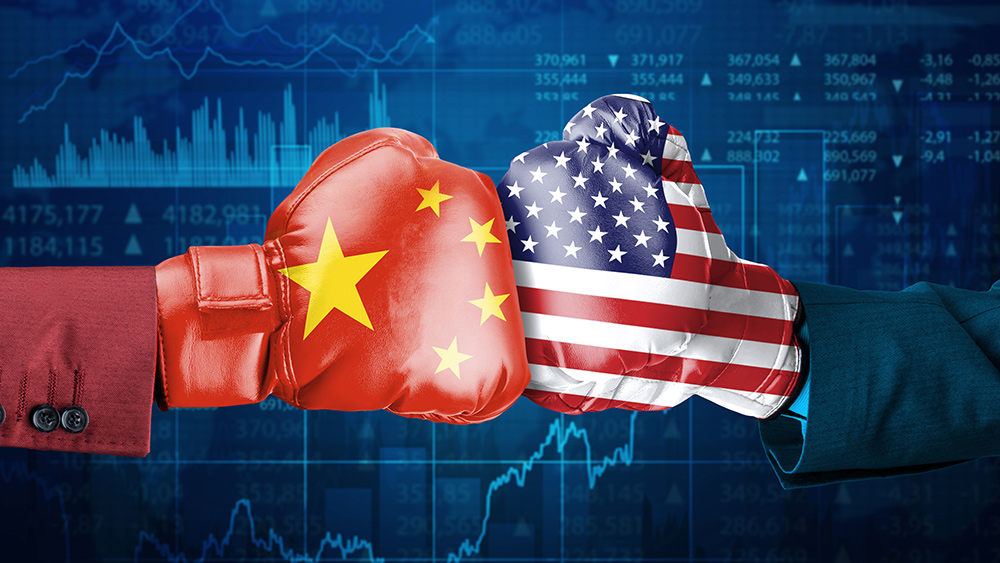
- The Trump administration is investing $15 billion to rebuild U.S. critical mineral supply chains to counter China’s market dominance.
- Pentagon officials warn the effort is a “generational undertaking” requiring sustained investment and new strategies.
- A key new strategy involves using a Pentagon AI program to help set reference prices for minerals, aiming to create a China-free pricing benchmark.
- The administration is also taking equity stakes in private mining companies, a move drawing bipartisan scrutiny.
- The overall goal is to reduce national security risks and build resilient supply chains for electronics, defense systems and clean energy.
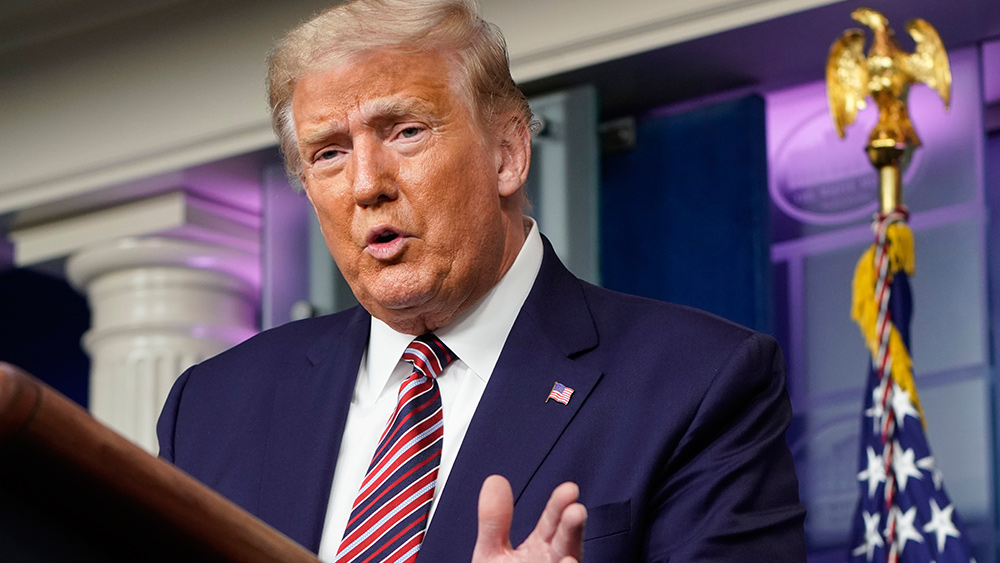
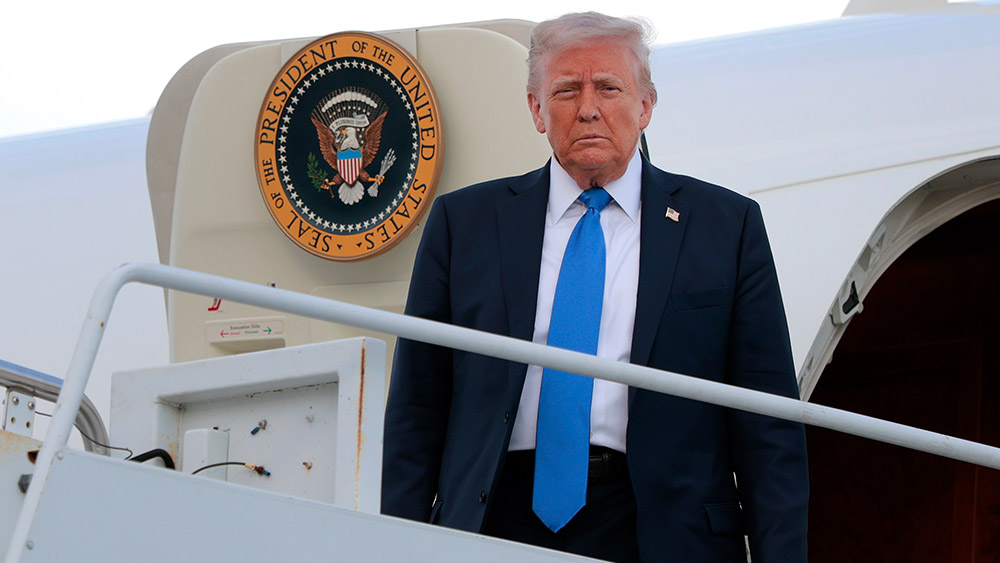
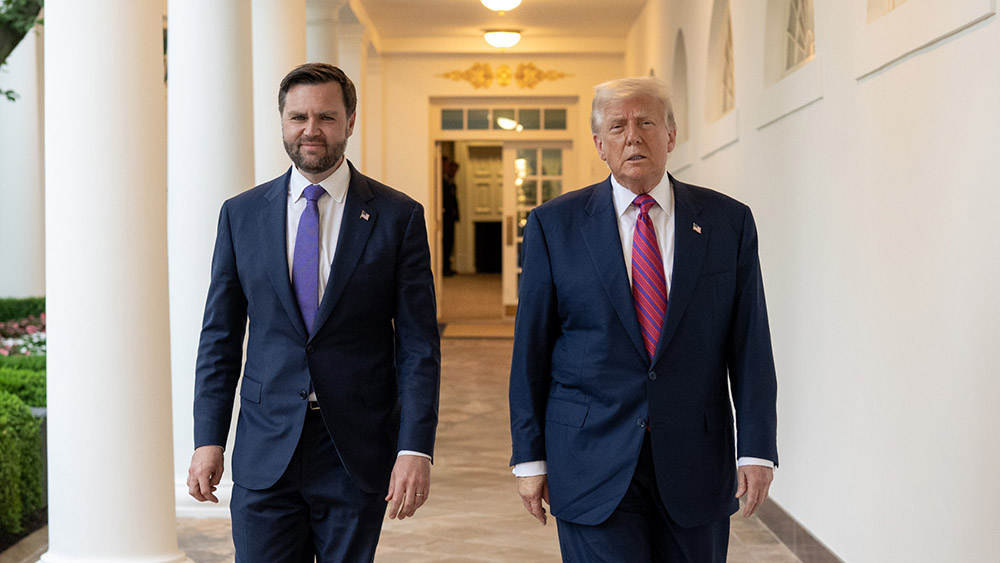
Faced with a decades-long erosion of its industrial base and acute vulnerability to Chinese economic coercion, the Trump administration is deploying a multi-pronged strategy—including direct equity investments in private companies and a novel Pentagon artificial intelligence program—to rebuild domestic supply chains for minerals essential to modern life and national defense. While the ambitious plan has drawn bipartisan support for its goals, the unconventional tactics are prompting questions from lawmakers on both sides of the aisle about government’s role in private markets.
A generational challenge
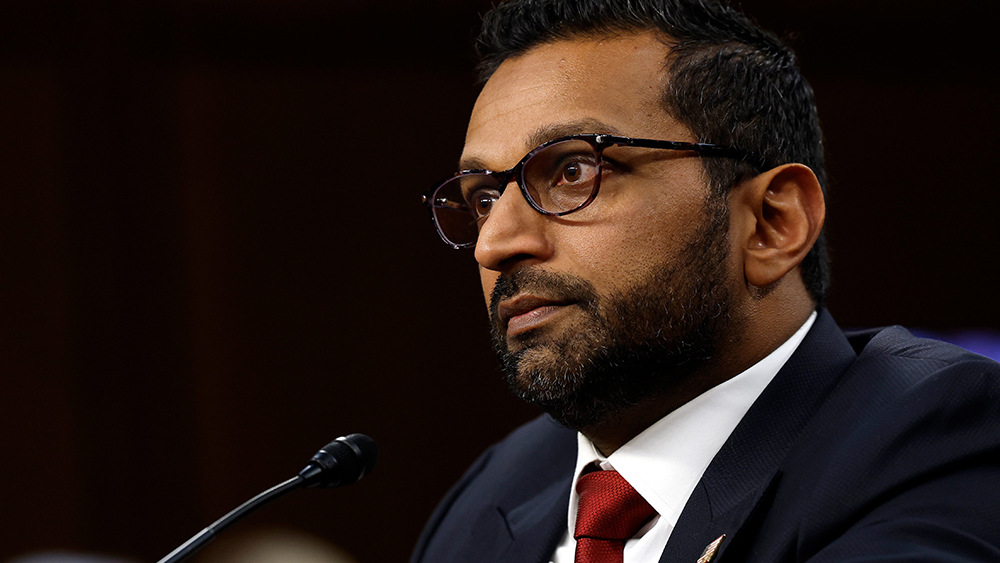
During a recent Senate Armed Services Committee hearing, Pentagon officials delivered a sobering assessment of the challenge. Assistant Secretary of Defense for Industrial Base Policy Michael Cadenazzi stated that rebuilding critical mineral supply chains is a “generational undertaking” that will require “sustained aggressive action.” The scale of U.S. dependency is stark: China refines 85-90% of the world’s rare earth minerals, produces 90% of magnets and controls at least 75% of the global market for over 30 of the 54 minerals deemed critical by the U.S. Geological Survey. For a dozen key commodities, U.S. manufacturers are 100% import-reliant.
“We do not have 30 years to resolve this issue,” Cadenazzi testified. He attributed the current predicament not to a lack of domestic resources, but to “burdensome” permitting, “unfair competition from state-subsidized foreign entities,” and a historical “lack of sustained investment.” The administration’s response is a $15 billion infusion into 15 mining and refining projects, framed as a long-term national security imperative.
Four pillars and a new AI toolbox
The Department of War’s strategy, as outlined by officials, rests on four pillars: revitalizing domestic production, strengthening alliances through “friend-shoring,” innovating in recycling and material substitution, and modernizing the National Defense Stockpile. Within this framework, two novel approaches are emerging.
First, the administration is using authorities like the Defense Production Act to make direct equity investments in private companies, arguing that traditional grants and loans have been insufficient. To date, taxpayers have acquired stakes in firms like MP Materials and Lithium Americas. While Sen. Roger Wicker (R-Miss.) acknowledged bipartisan backing for the overall effort, he noted the “equity investments” would draw questions from “both sides of the dais.” Sen. Jack Reed (D-R.I.) expressed concern that the government, by picking winners, could distort free markets and replicate China’s state-supported model.
Second, and more experimentally, the administration plans to leverage a Pentagon AI initiative called the Open Price Exploration for National Security (OPEN) program. According to sources familiar with the plan, the AI model will be used to help establish reference prices for critical minerals like germanium and tungsten. The goal is to create a pricing benchmark that factors out alleged Chinese market manipulation, providing certainty for Western miners and manufacturers. This would support Vice President JD Vance’s recent proposal for a trade bloc that uses such reference prices backed by adjustable tariffs.
Skepticism and the road ahead
The AI pricing plan, while ambitious, faces practical hurdles and skepticism. Experts question how tariffs would enforce an AI-derived price, especially for complex imported goods like electronics that contain critical minerals. The administration must also convince dozens of allied nations to join the proposed trade bloc for it to be effective. Furthermore, the shift toward reference pricing and equity stakes appears to signal a move away from direct government price guarantees for miners, a tool many in the industry had sought.
Despite the challenges, officials frame these aggressive steps as necessary corrections to a failed market-based approach. “We believe that, given the frailty of many of our minerals markets, that equity is a necessary component,” Cadenazzi told senators. He expressed confidence that federal investment would stimulate private capital and help build “an architecture of reliable investment.”
An unavoidable long game
The administration’s aggressive push underscores a hard truth: decoupling from China’s mineral dominance cannot happen overnight. It is a costly, long-term strategic competition with significant economic and national security implications. The use of AI for price discovery and taxpayer dollars for corporate equity represents a marked departure from past policies, reflecting the urgency Washington now attaches to the issue. Whether these tools will forge resilient, competitive supply chains or entangle the government in complex market interventions remains a central question for policymakers and industry alike. The success or failure of this endeavor will shape U.S. economic and military readiness for decades to come.
Sources for this article include:
Submit a correction >>
Tagged Under:
big government, Big Tech, bubble, China, critical minerals, Donald Trump, economic riot, economy, future tech, Glitch, Globalism, government debt, money supply, national security, power, progress, Resist, risk, supply chain warning, weapons technology, White House
This article may contain statements that reflect the opinion of the author
RECENT NEWS & ARTICLES