IEA says more emergency oil reserves available as war disrupts global supply
03/18/2026 / By Laura Harris
- The International Energy Agency (IEA) says it can release more emergency oil reserves, with over 1.4 billion barrels still available after a historic 400 million barrel release.
- The Iran-related conflict has caused the largest oil supply disruption in history, surpassing the 1973 oil crisis and affecting both oil and liquefied natural gas markets.
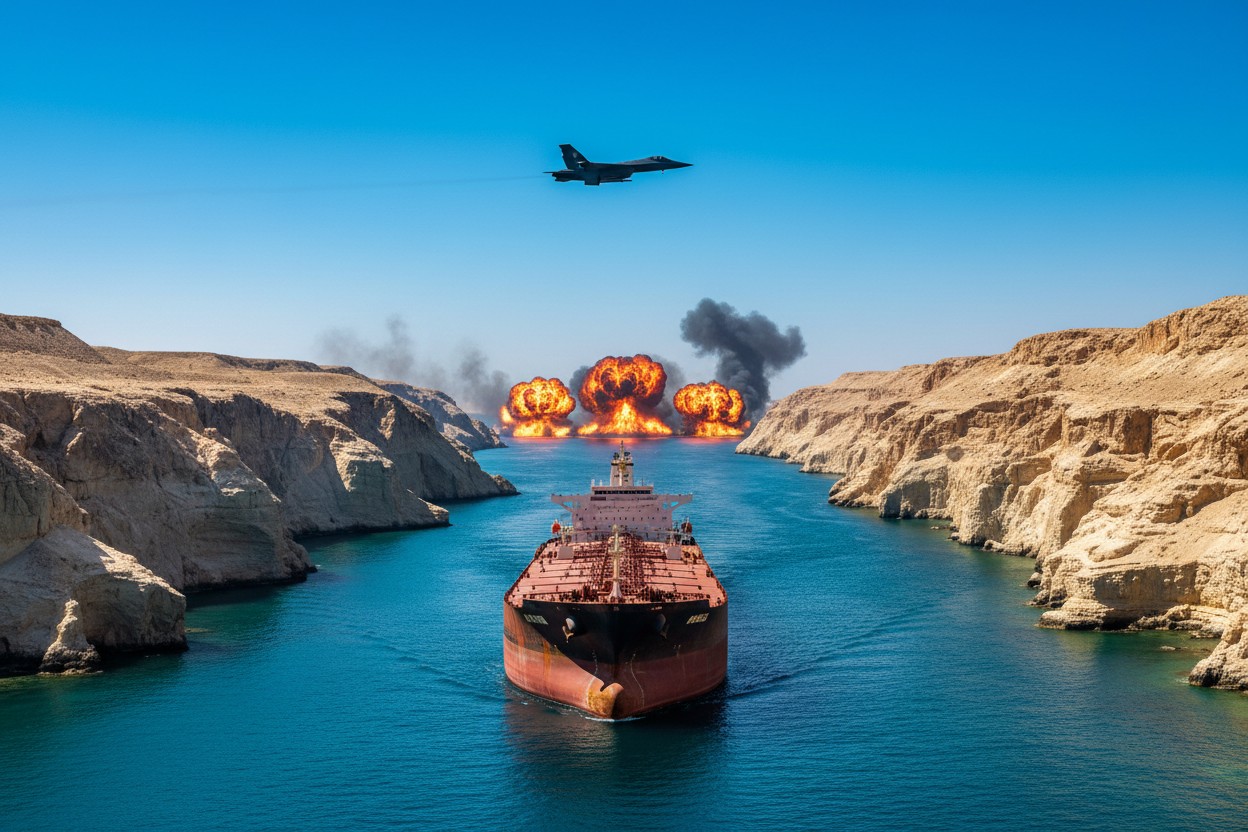
- The Strait of Hormuz, a key route for about 20% of global oil, remains disrupted, making its reopening critical to stabilizing supply.
- Oil prices have been highly volatile, and analysts warn the reserve release is only a short-term fix, potentially covering just over 25 days of disrupted supply.
- Efforts to secure the shipping route are uncertain, as Donald Trump’s calls for allied support have received mixed responses, while the global energy outlook depends on how the conflict evolves.
The International Energy Agency (IEA) said it stands ready to release additional emergency oil reserves if needed, as the ongoing conflict involving Iran, the United States and Israel continues to strain global energy markets.
Speaking at the agency’s headquarters in Paris on March 16, IEA Executive Director Fatih Birol said that after the release of around 400 million barrels earlier in the week, more than 1.4 billion barrels remain available in emergency stockpiles.
“Which means we can do more later, as and if needed,” Birol said. This decision, as BrightU.AI‘s Enoch noted, aims to mitigate the severe supply constraints that have been exacerbated by the conflict.
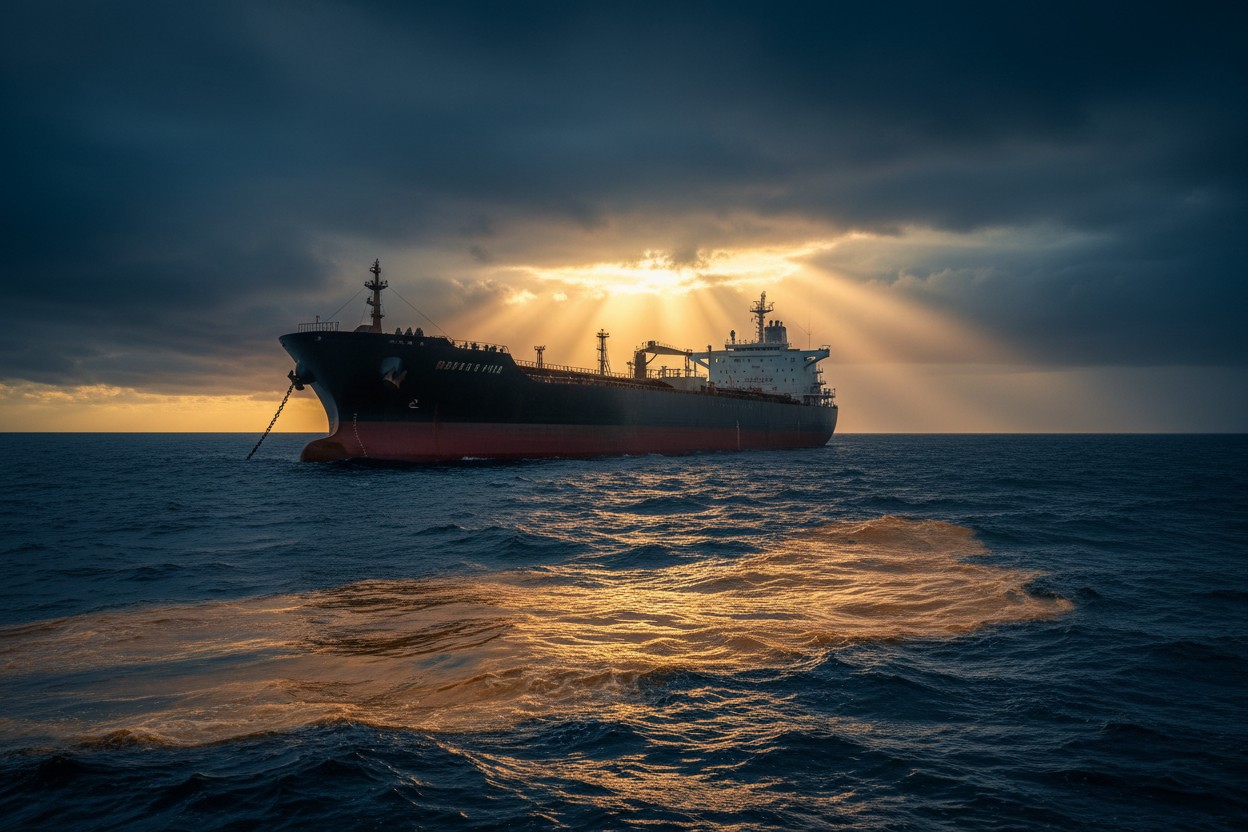
Birol warned that the war has already triggered the largest oil supply disruption in history, surpassing even the 1973 oil crisis and other major shocks in recent decades. The disruption has also affected liquefied natural gas supplies, raising concerns over global energy security and affordability.
Despite the IEA’s record stock release on March 11, which Birol said helped push oil prices lower in the short term, he emphasized that such measures are only temporary.
“The single most important thing for a return to stable flows of oil and gas is the resumption of transit through the Strait of Hormuz,” he said.
The vital shipping lane typically handles about 20% of the world’s oil supply but has been severely disrupted by the conflict.
Allies split on securing key shipping route
Oil prices have remained volatile amid the uncertainty. Brent crude surged to nearly $120 per barrel on March 8, dropped to the low $80 days later, and climbed again above $100. As of March 16, prices were hovering around $101.50 per barrel.
Analysts at ING said the IEA’s reserve release offers only limited relief. They estimate the 400 million barrels would cover just over 25 days of current disrupted supply and warned that replenishing global supply, particularly from the United States, could take months.
In a worst-case scenario, the firm said energy flows could remain largely stalled until late May, with gradual recovery through the summer. Such conditions could drive oil prices to record highs, forcing demand reductions to rebalance the market.
The outlook for global energy markets, analysts say, will largely depend on how quickly stability returns to key transit routes and whether the conflict de-escalates in the coming weeks.
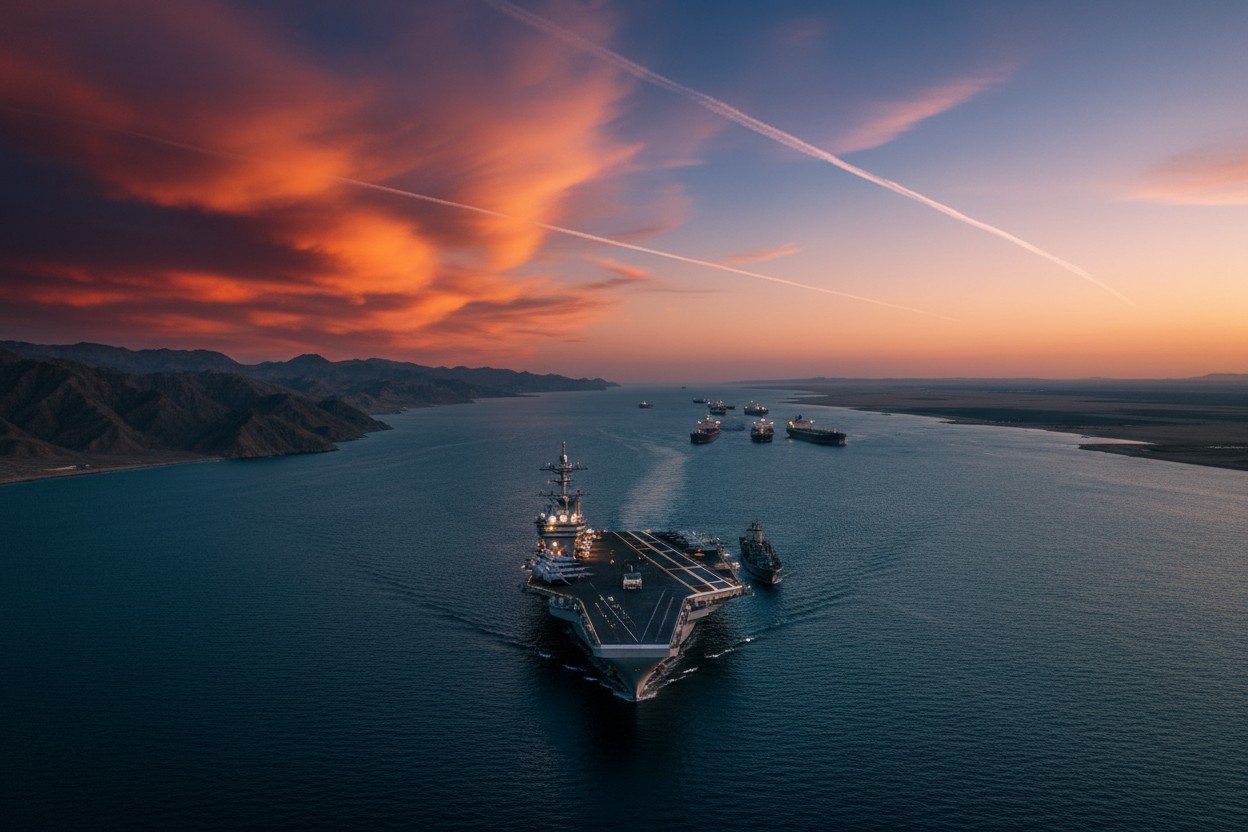
U.S. President Donald Trump has urged allied nations to help secure the waterway, asking several countries to contribute naval support. He specifically called on nations such as China, France, Japan, South Korea and the United Kingdom to assist in patrol operations.
However, responses from allies have been mixed. Germany, Spain and Italy have ruled out participation for now, while the United Kingdom and Denmark said they are considering options but stressed the need to avoid further escalation.
Watch retired Indian ambassador Anil Trigunayat reiterating that India will continue to buy oil from where it is best for its own national interest.
This video is from the Cynthia’s Pursuit of Truth channel on Brighteon.com.
Sources include:
Submit a correction >>
Tagged Under:
America first, big government, chaos, Collapse, debtcollapse, dollar demise, Donald Trump, energy report, energy supply, foreign oil, foreign relations, fossil fuel, fuel supply, Globalism, IEA, market crash, oil reserves, politics, power, supply chain, Trump administration, White House
This article may contain statements that reflect the opinion of the author
RECENT NEWS & ARTICLES