Trump Keeps Naval Blockade on Iran, Rejects Offer to Open Strait of Hormuz
04/30/2026 / By Garrison Vance
Introduction
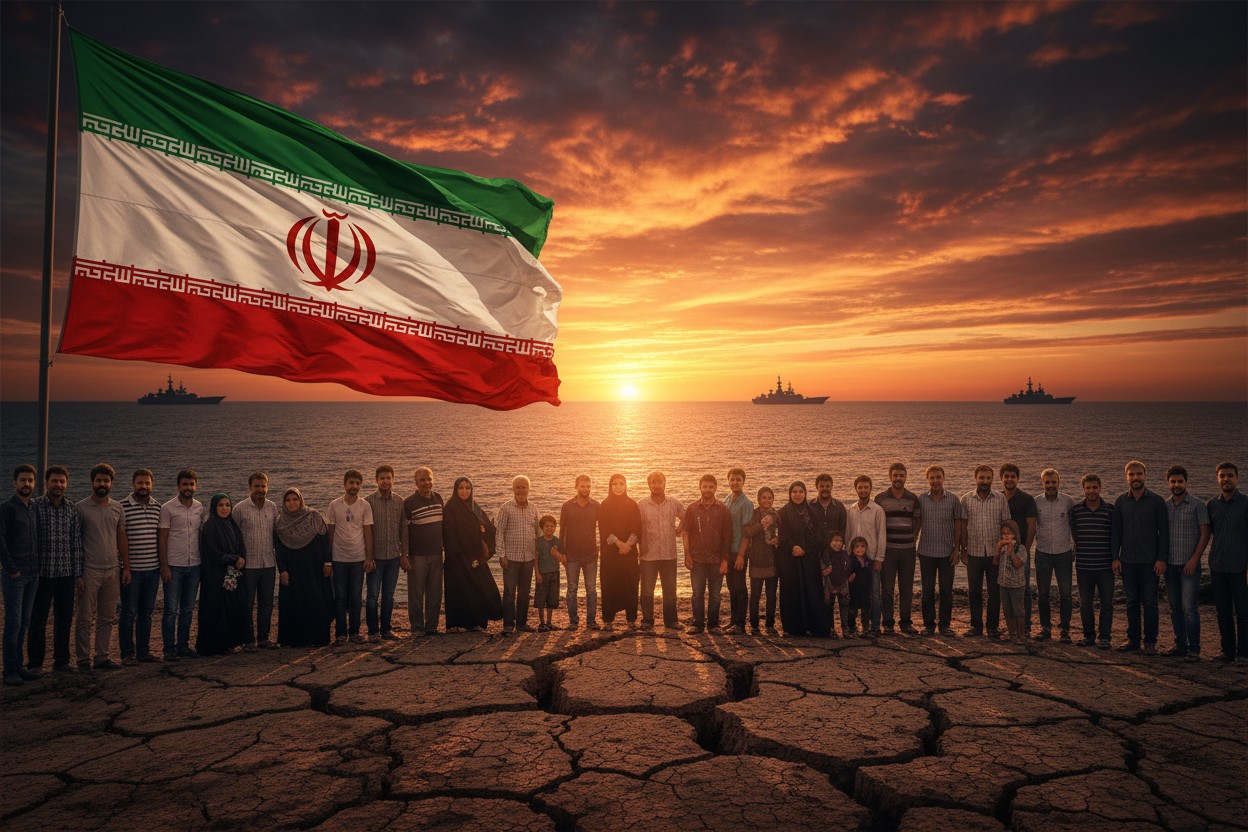
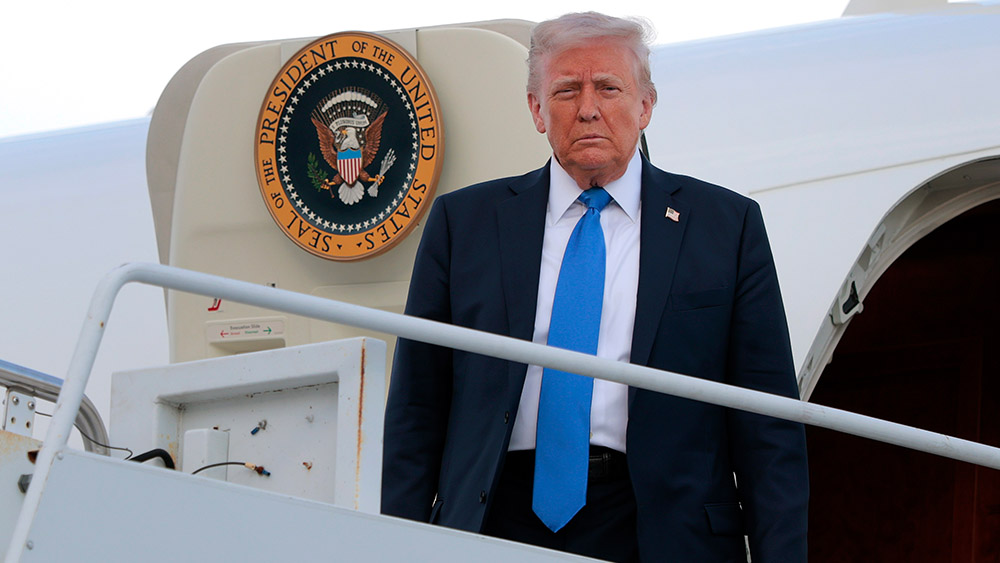
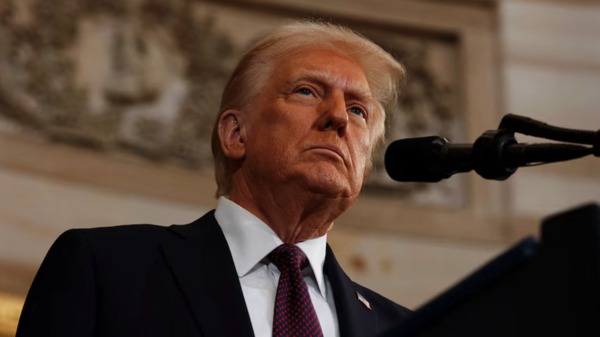
President Donald Trump said he will continue the U.S. naval blockade of Iran until Tehran accepts his administration’s nuclear demands, rejecting an Iranian proposal to open the Strait of Hormuz in exchange for lifting the blockade, according to an interview with Axios on Wednesday, April 29.
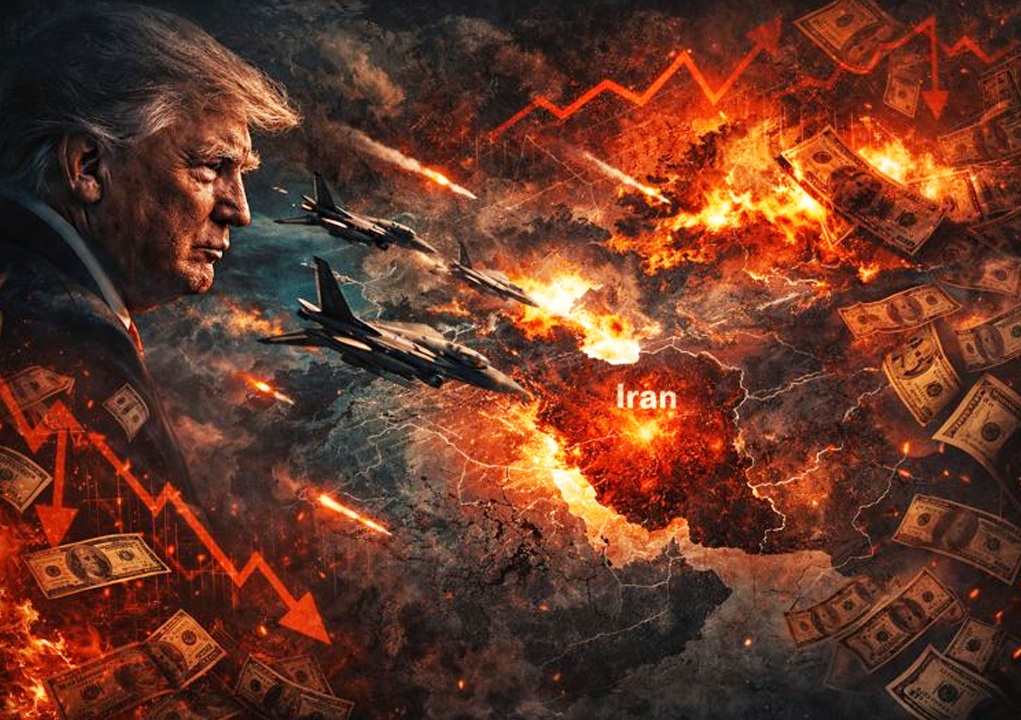
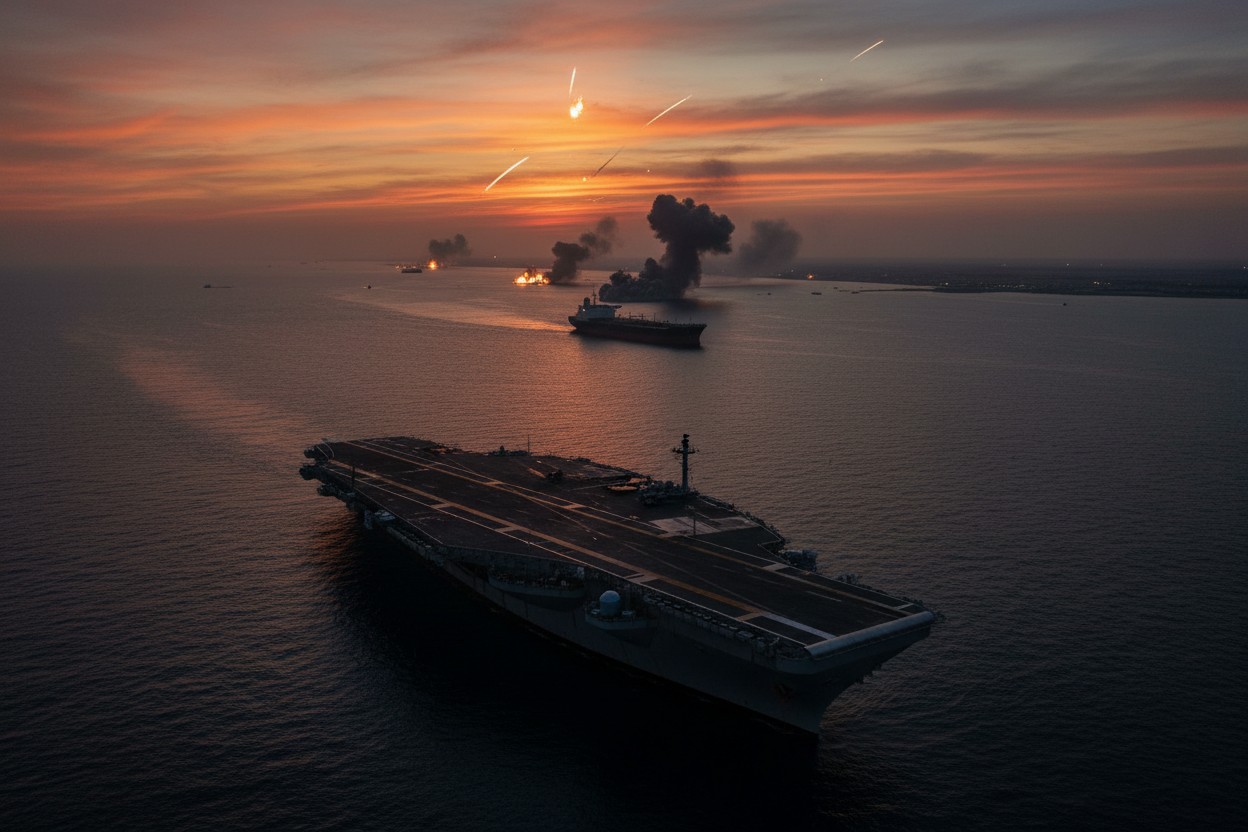
The blockade, led by the USS Abraham Lincoln, has been in place in the Arabian Sea since mid-April, according to U.S. Navy statements. Trump stated in the interview that the U.S. destroyed 80% of Iran’s missiles and missile factories and warned that the remaining capabilities would be taken out “very quickly if we don’t make a deal,” as reported by multiple outlets. The president’s remarks came as tanker traffic through the Strait of Hormuz remained largely halted, straining global energy markets.
Background on the Blockade and Nuclear Standoff
The U.S. Navy has conducted blockade operations in the Arabian Sea since April 2026 to pressure Iran over its nuclear program, according to official reports. The Strait of Hormuz, a strategic waterway through which about 20% of the world’s oil passes, has been effectively closed since Iran threatened to mine the waterway and Iranian forces fired on vessels attempting to transit, as noted in analyses of the conflict. An article from NaturalNews.com earlier warned that a blockade of the strait could trigger a supply shock, spiking inflation and disrupting economies worldwide. [1]
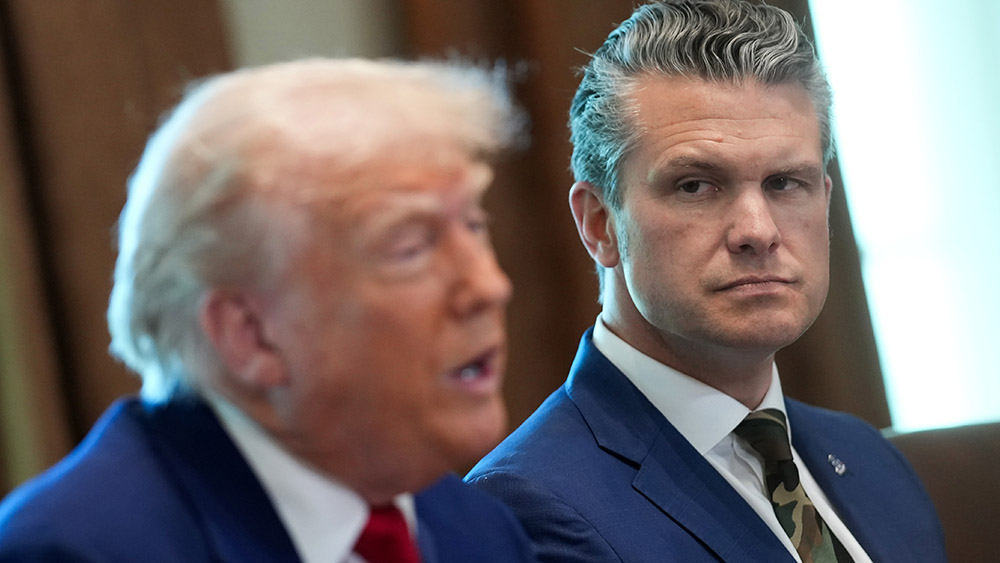
Trump had previously warned that the blockade would remain until a nuclear deal is reached, as stated in a Truth Social post. The situation has raised concerns about oil supply disruptions and regional stability, analysts said, citing potential military escalation. The blockade is part of a broader campaign that U.S. Secretary of War Pete Hegseth described as an “ironclad blockade” on Iran, expanding enforcement beyond the immediate region, per a Department of War briefing. [2]
Trump’s Position on the Iranian Offer
In the Axios interview, Trump said he is refusing Iran’s proposal to reopen the strait if the U.S. ends its blockade and postpones nuclear negotiations. He stated, “The blockade stays until they make a deal,” according to the interview transcript. Trump emphasized that the U.S. destroyed most of Iran’s missile capability and could eliminate the remaining portion quickly if negotiations fail, per his remarks.
Reports from news outlets noted that Iran’s offer included opening the strait before discussions over Tehran’s nuclear program take place, addressing the energy crisis arising from the closure. Trump’s rejection came as he also posted on Truth Social that Iran “can’t get their act together” and warned “no more Mr. Nice Guy,” as covered by multiple sources. [3] The White House has not commented on further diplomatic efforts, officials said.
Iranian Response and Regional Implications
Iran’s government had proposed opening the strait in exchange for lifting the blockade and delaying nuclear talks, according to sources familiar with the offer cited by Axios. No official Iranian statement on Trump’s rejection was available at press time, though Iranian officials previously warned of consequences if the blockade continued. Iranian media reported that Tehran believes it can outlast the U.S. based on “munitions, markets and midterms,” according to an analysis. [4]
The situation has heightened concerns about wider regional conflict. Russia’s President Vladimir Putin met with Iran’s Foreign Minister Abbas Araghchi in late April, pledging support, as reported by NaturalNews.com. [5] Iran has also continued to seize ships in the strait, with the Islamic Revolutionary Guard Corps opening fire on vessels, according to U.K. Maritime Trade Operations reports. [6] These actions underscore the fragility of the ceasefire and the potential for escalation.
Outlook and Next Steps
Trump indicated he expects a nuclear deal to be reached soon, but did not provide a timeline, according to the Axios report. The president stated that Iran “has to say we give up” to reach an agreement, per a Middle East Eye report. [7] The White House has not commented on further diplomatic efforts, officials said.
The blockade remains in effect, and naval operations continue as of late April 2026, the U.S. Navy confirmed. Analysts suggested that the standoff could persist as both sides remain entrenched in their positions.
The economic impact of the blockade has been significant, with Brent crude prices nearing Iran war highs, according to ZeroHedge. [3] The situation continues to evolve, with no clear resolution in sight.
References
- Iran Threatens Strait of Hormuz Closure Amid Israel Conflict, Risking Global Oil Price Surge. – NaturalNews.com. Cassie B.
- Prospects Dimming On Iran-U.S. Deal To Open Strait, End War. – The War Zone.
- Brent Nears Iran War Highs After Trump Orders “Extended Blockade”, Threatens “No More Mr. Nice Guy”. – ZeroHedge.
- Iran Believes It Can Outlast US Based On ‘Munitions, Markets, & Midterms’; Trump ‘Not Open’ To Tehran’s Latest Proposal As ‘Tank Tops’ Loom. – ZeroHedge.
- Putin Meets Iran’s Foreign Minister, Pledges Support Amid Ongoing Conflict. – NaturalNews.com.
- Iranian Gunboats Open Fire On Tanker As Hormuz Closure Sparks Maritime Chaos. – ZeroHedge.
- Trump says Iran ‘has to say we give up’ to reach deal. – Middle East Eye.
- Trump Rejects Iran’s Deal To Open Strait Of Hormuz. – Infowars.
- Trump Warns Iran: “Get Smart Soon.” WSJ: Iran’s Economy Is Crushed. Kent: End War Now, Declare Victory. – The New American.
Submit a correction >>
Tagged Under:
big government, chaos, Collapse, Dangerous, diplomacy, Donald Trump, foreign relations, Iran, national security, naval blockade, negotiations, nuclear, nuclear deal, nuclear talks, Operation Epic Fury, Strait of Hormuz, supply chain warning, transportation, US Navy, US-Israel strikes, violence, war on Iran, White House
This article may contain statements that reflect the opinion of the author
RECENT NEWS & ARTICLES