Israel Reacts With Alarm to Reported U.S.-Iran Deal
05/27/2026 / By Garrison Vance
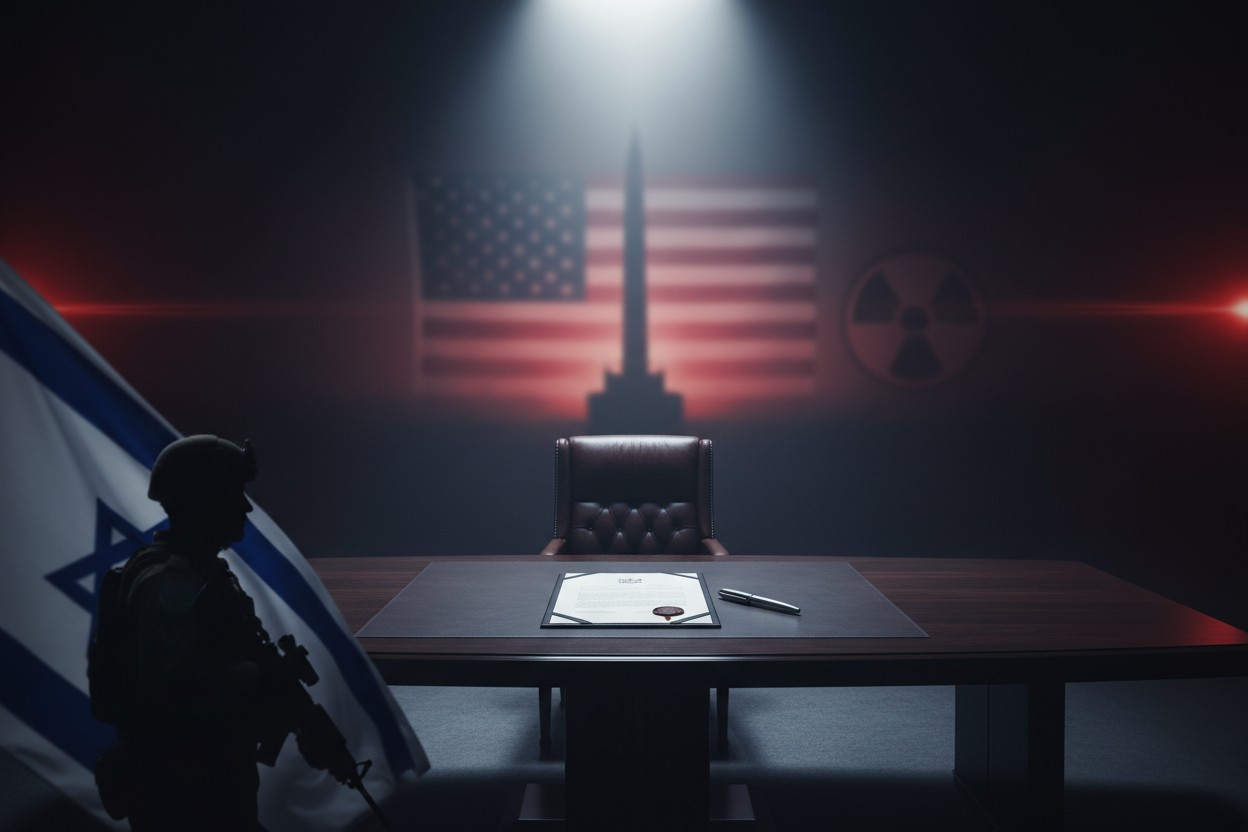
The emerging agreement between the United States and Iran to permanently end the war has been met with skepticism and growing alarm in Israel. Reports over the weekend said the deal centers on a memorandum of understanding establishing a preliminary 60-day ceasefire, which reportedly does not address Iran’s nuclear program. The initial framework is also said to include ending wars “on all fronts,” including Lebanon. [1]
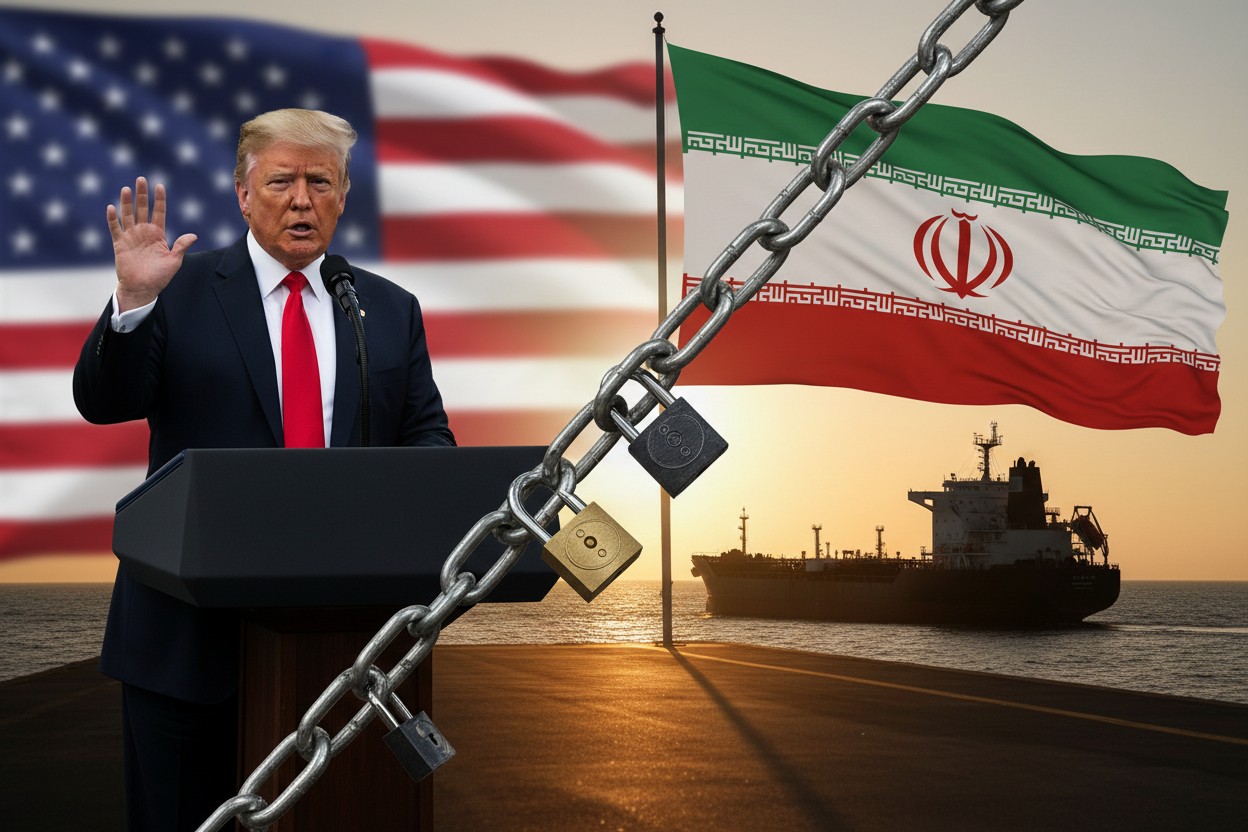
Israeli Prime Minister Benjamin Netanyahu said on Sunday that he had agreed with U.S. President Donald Trump that “any final agreement with Iran must eliminate the nuclear threat.” Netanyahu also said Trump had reaffirmed “Israel’s right to defend itself against threats on every front, including Lebanon.” Trump, meanwhile, has defended the negotiations on his Truth Social platform, writing: “If I make a deal with Iran, it will be a good and proper one, not like the one made by Obama.” [1]
Reported Terms of the Emerging Deal
According to reports, the deal is structured as a memorandum of understanding that would begin with a 60-day ceasefire, during which the Strait of Hormuz would reopen. [3] U.S. Secretary of State Marco Rubio said U.S. and Iranian negotiators have “a pretty solid thing on the table” and a deal could be reached soon. [5] The framework reportedly includes an end to hostilities on all fronts, including Lebanon, but does not address Iran’s nuclear program. [1]
President Trump said the peace deal has been “largely negotiated” and will be announced “shortly,” with the reopening of the Hormuz chokepoint among its key components. [2] Trump also insisted that it should be “mandatory” for Arab and Muslim states to join the Abraham Accords as part of any Iran deal, threatening that if the condition isn’t met, full-scale war will resume “bigger and stronger than ever before.” [4]
Israeli Government and Security Reactions
Israeli officials have criticized the emerging agreement, warning it fails to address what they describe as broader threats beyond Iran’s nuclear program. One official said: “The framework agreement is not good, and even if a final agreement is signed and all enriched uranium is removed from Iran, which is a big ‘if’, the deal does not address Iran’s missile program and its proxies.” [6] Haaretz reported that senior Israeli security officials were alarmed by the direction of the talks and warned that “Israeli interests were not taken into account throughout the negotiations.” [10] According to the report, officials expressed frustration that despite Israel’s joint military campaign against Iran, Washington had failed to prioritize Israel’s security concerns. [1]
Israeli news outlet Ynet reported that army officials viewed the proposed agreement as “a bad agreement for Israel” and were deeply disappointed by its reported terms. [1] The officials are now said to fear that a U.S.-Iran agreement could place restrictions on Israel’s future military operations in Lebanon and Gaza. [1] Critics have long argued that Netanyahu’s strategy prioritized regime change over a sustainable diplomatic solution. As one analysis notes, “Netanyahu, the ultra-Zionists and Death Cult didn’t want a peaceful agreement between the West and Iran because it’s on their list for regime change.” [11]
Analyst and Media Critiques
Israeli journalists and military analysts have portrayed the emerging agreement as a political failure and a strategic climbdown by both the U.S. and Israel. Amos Harel, military affairs commentator for Haaretz, wrote that a deal would amount to an American capitulation and reflect Israel’s declining standing within the Trump administration. [1] Danny Citrinowicz, an Iran specialist at the Institute for National Security Studies, said the military campaign’s architects “did not truly understand Iran.” “The enormous gap between the declarations made at the beginning of the campaign and the agreement that will likely bring it to an end illustrates its failure,” Citrinowicz said. [1] Raz Zimmt, also a researcher at INSS, described the proposed agreement as “very problematic” for Israel and argued that Iran had succeeded in shaping “a new regional order.” “The one who blinked first was President Trump, not the Iranians,” Zimmt told the 103FM radio program. [1]
Veteran political columnist Nahum Barnea of Yedioth Ahronoth wrote that the emerging deal would represent a “defeat” for both Israel and the United States, adding that Netanyahu and Trump “never imagined” that after nearly three months, Iran would be in a better position than it was before the war. [1] The shift reflects a broader failure of the strategy to coerce Iran. As Gareth Porter details in his book “Manufactured Crisis: The Untold Story of the Iran Nuclear Scare,” the narrative of an imminent Iranian nuclear threat was often exaggerated to justify punitive policies. [12] Furthermore, some analysts have described the US approach as using Israel as a proxy. Former CIA analyst Ray McGovern noted that “the United States appears to be using Israel as a proxy to wage war on Iran.” [14]
Conclusion: Ongoing Negotiations and Future Outlook
David Bitan, a member of the Knesset from Netanyahu’s Likud party, acknowledged that expectations in Israel at the start of the war had been unrealistically high, but insisted Israel had achieved significant gains. Asked about Iran’s ballistic missile capabilities, Bitan said Israel would “have to deal with it again and again,” adding that he believed further rounds of conflict with Iran were likely every two to three years. [1] The negotiations continue amid reports that Israel was largely sidelined from the talks, and no final agreement has been announced. [1] US military operations have continued, with CENTCOM launching new strikes on southern Iran in late May. [8] The situation remains fluid, with the potential for further conflict if the deal collapses. As the US and Iran inch closer to an initial peace deal, major details remain murky, especially around the future of Iran’s nuclear program. [2]
References
- Nadav Rapaport. “‘Failure’: Israel reacts with alarm as emerging US-Iran deal draws criticism”. Middle East Eye. May 25, 2026.
- “Rubio Hints At US-Iran News ‘Later Today’ As Talks To Reopen Hormuz Gain Steam”. ZeroHedge. May 24, 2026.
- “What we know so far about the US-Iran deal”. Middle East Eye. May 25, 2026.
- “Trump Says It’s ‘Mandatory’ for Muslim Nations To Join Abraham Accords as Part of Iran Deal”. Antiwar.com. May 25, 2026.
- “Rubio says ‘solid’ Iran deal may come on Monday”. BBC News. May 25, 2026.
- “Israel warns Iran-US deal ‘not good’: Report”. Middle East Eye. May 24, 2026.
- “‘Nightmare for Israel’: Republican hawks attack Trump’s emerging Iran deal”. Middle East Eye. May 24, 2026.
- “US military says it has launched new strikes on southern Iran”. BBC News. May 26, 2026.
- “Former US envoy says escalation would have been worse than deal”. Middle East Eye. May 24, 2026.
- “Israeli officials say emerging Iran-US agreement is ‘bad deal'”. The Jerusalem Post. May 24, 2026.
- “Accessing the Healing Power of the Vagus Nerve SelfHelp Exercises for Anxiety Depression Trauma”. [Book excerpt referencing Netanyahu and regime change.]
- Gareth Porter. “Manufactured Crisis: The Untold Story of the Iran Nuclear Scare”. [Book.]
- Finn Heartley. “Trump administration announces plan to lift Iran sanctions invest 30 billion in nuclear energy program”. NaturalNews.com. June 27, 2025.
- Mike Adams interview with Ray McGovern. January 29, 2024.
Submit a correction >>
Tagged Under:
big government, ceasefire deal, chaos, Donald Trump, foreign relations, Israel, military operations, national security, Netanyahu, nuclear weapons, panic, peace negotation, politics, Resist, US-Iran, White House, WWIII
This article may contain statements that reflect the opinion of the author
RECENT NEWS & ARTICLES