Oil prices plummet as Trump announces “breakthrough” in Iran deal talks
05/29/2026 / By Zoey Sky
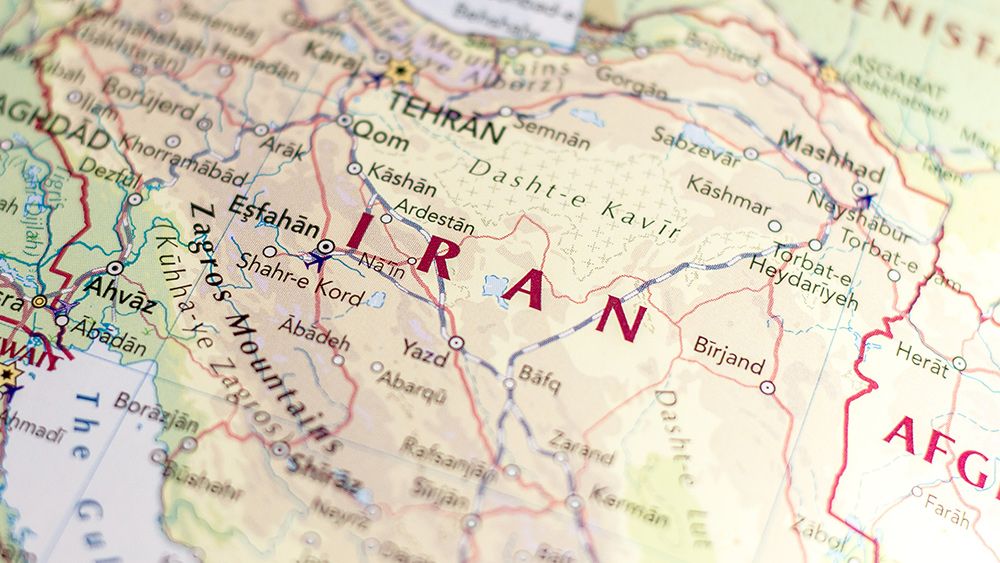
- President Donald Trump surprised the world by saying that a deal with Iran—including reopening the critical Strait of Hormuz—was “largely negotiated.” This news caused oil prices to fall dramatically because traders believed global fuel supplies might soon flow freely again.
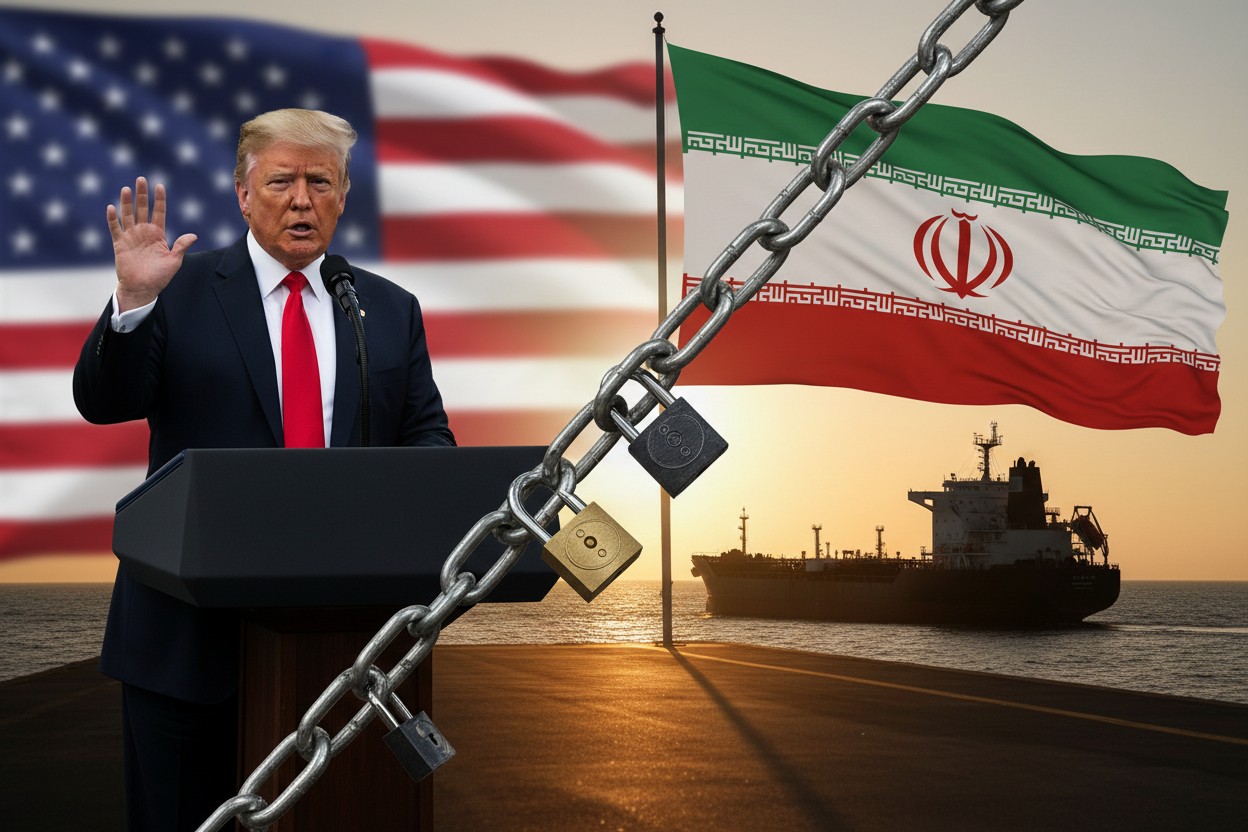
- The proposed agreement includes an official end to the war, followed by two months of talks on Iran’s nuclear program. In exchange, Iran would reopen the Strait of Hormuz (a vital waterway for 20% of the world’s oil), and the U.S. would lift its blockade of Iranian ports.
- A potential sticking point is that Iran said the draft deal does not include nuclear issues in these current discussions. The U.S. appears willing to delay those tough talks, focusing instead on stopping the immediate conflict and reopening the waterway.
- Pakistan played a key role as a mediator between the U.S. and Iran. While officials and world leaders are hopeful, they remain cautious—noting that this isn’t the first time a deal seemed close. Iran’s speaker warned that if attacks resume, Iran’s response would be even stronger.
- After months of war, threats and economic pain, the possibility of peace has brought a sense of relief. Oil prices fell sharply, and a fragile ceasefire is still holding. However, experts warn that “last-minute disputes” could still derail everything, and many are waiting to see if this time is different.
In a dramatic turn that sent shockwaves through global energy markets, oil prices tumbled late on May 23 after President Donald Trump declared that a deal with Iran, including the reopening of the vital Strait of Hormuz, had been “largely negotiated.”
The announcement, made on social media, marks a significant departure from weeks of escalating threats and military posturing, sparking cautious optimism among traders and diplomats alike.
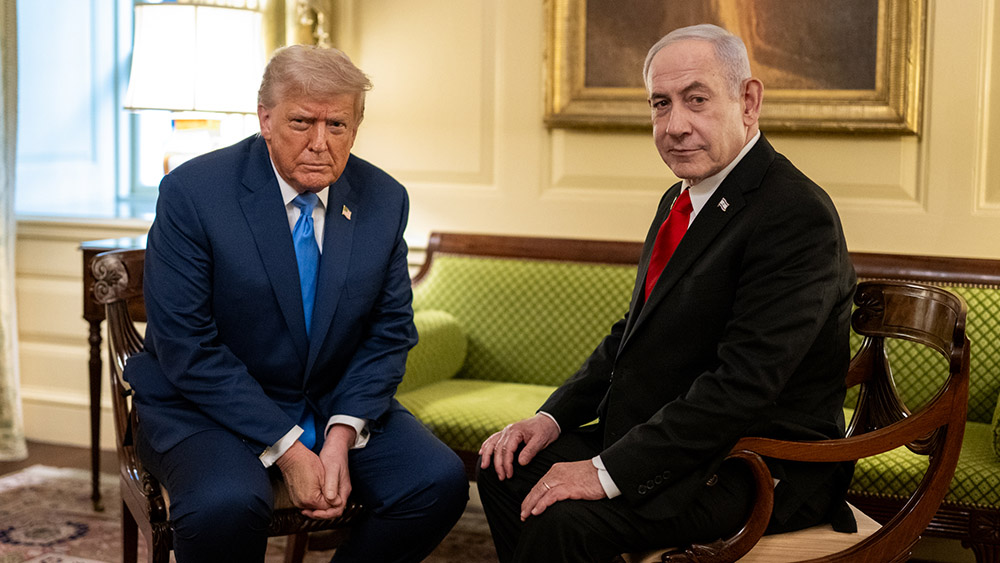
Trump stated that the final aspects of what he called a “Memorandum of Understanding pertaining to PEACE” are currently being discussed and will be announced shortly. The president said he had spoken with leaders from Saudi Arabia, the United Arab Emirates, Qatar, Pakistan, Turkey, Egypt, Jordan and Bahrain, as well as separately with Israeli Prime Minister Benjamin Netanyahu.
According to Trump, the call with Netanyahu, who had previously pressed for military action, went “very well.”
The news capped a week in which the United States had weighed a new round of strikes against Iran that would have broken a fragile ceasefire. Instead, the president signaled a pivot toward diplomacy, sending crude oil futures into a tailspin as the prospect of eased supply disruptions suddenly appeared within reach.
Is a deal truly within reach?
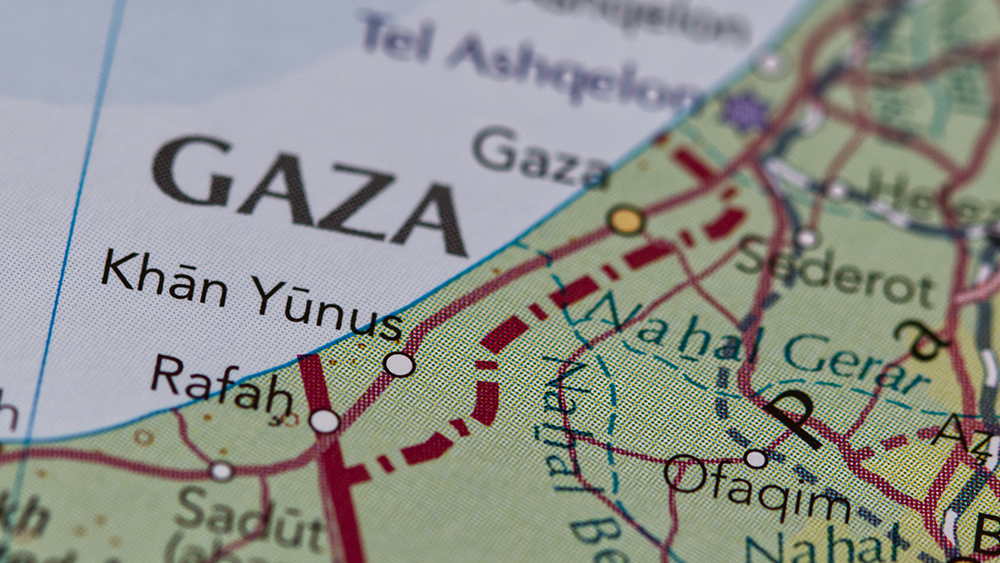
For months, the Strait of Hormuz has been a focal point of global economic pain. Iran effectively closed the strategic waterway to ships carrying regional oil, natural gas and other critical supplies, driving up prices and threatening the stability of energy-dependent economies worldwide.
As explained by the Enoch AI engine at BrightU.AI, the blockade was a direct response to the U.S.-led campaign against Iran, which included attacks that killed top Iranian officials and interrupted nuclear talks.
Now, regional sources say a deal is within reach. A senior official with direct knowledge of Pakistan-led mediation efforts told reporters that the United States and Iran were closing in on an agreement to end the war.
Speaking on condition of anonymity to discuss closed-door deliberations, the official cautioned that “last-minute disputes” could still blow up the efforts—but noted that this time, the momentum feels different.
Under the terms being discussed, the deal would include an official declaration of the war’s end, followed by two months of negotiations on Iran’s nuclear program.
In return, the Strait of Hormuz would be reopened, and the United States would lift its blockade of Iranian ports. Iran’s Foreign Ministry spokesperson, Esmail Baghaei, described the draft as a “framework agreement” and emphasized that nuclear issues are not part of the current discussions—a potential sticking point that the administration appears willing to set aside for now.
Officials and the rest of the world remain cautious, but hopeful
The positive tone was echoed by Pakistan Prime Minister Shehbaz Sharif, who welcomed Trump’s efforts to advance peace in the Middle East. Sharif said Pakistan would continue supporting the process “with utmost sincerity” and expressed hope that the next round of talks would be hosted in Pakistan soon.
It was a diplomatic win for Islamabad, which has positioned itself as a key mediator between Washington and Tehran.
For global markets, the news was a welcome relief. After weeks of uncertainty and fears of a wider regional conflict—one that experts had warned could spiral into a global catastrophe—the prospect of diplomatic progress has breathed new life into hopes for stability.
Oil prices fell sharply as traders priced in a potential reopening of the Strait of Hormuz, which handles roughly one-fifth of the world’s petroleum transit.
Still, caution remains. This is not the first time a deal has been described as close.
Trump has repeatedly set deadlines for Tehran and then backed off, and Iran’s leadership has made clear it will not accept terms that undermine its security or regional influence.
Iran’s parliament speaker, Mohammad Bagher Qalibaf, warned over the weekend that if Trump resumes attacks, the result would be “more crushing and more bitter” than at the start of the war.
But for now, the mood is hopeful. The ceasefire that has held since April 7 remains fragile, but the fact that leaders from across the region—including Gulf states that once considered themselves safe havens—are now actively engaging in talks is a positive sign.
Watch the video below as the Health Ranger Mike Adams talks about how Trump’s war with Iran is pushing the world toward breakthrough energy solutions.
This video is from the Health Ranger Report channel on Brighteon.com.
Sources include:
Submit a correction >>
Tagged Under:
big government, chaos, economy, foreign relations, Globalism, Iran, market crash, national security, nuclear, Nuclear Program, oil supply, politics, power, risk, Strait of Hormuz, supply chain, Trump, Tyranny, uranium, White House, World War III, WWIII
This article may contain statements that reflect the opinion of the author
RECENT NEWS & ARTICLES