Tehran rejects U.S. “peace through force” approach as talks remain stalled
05/28/2026 / By Willow Tohi
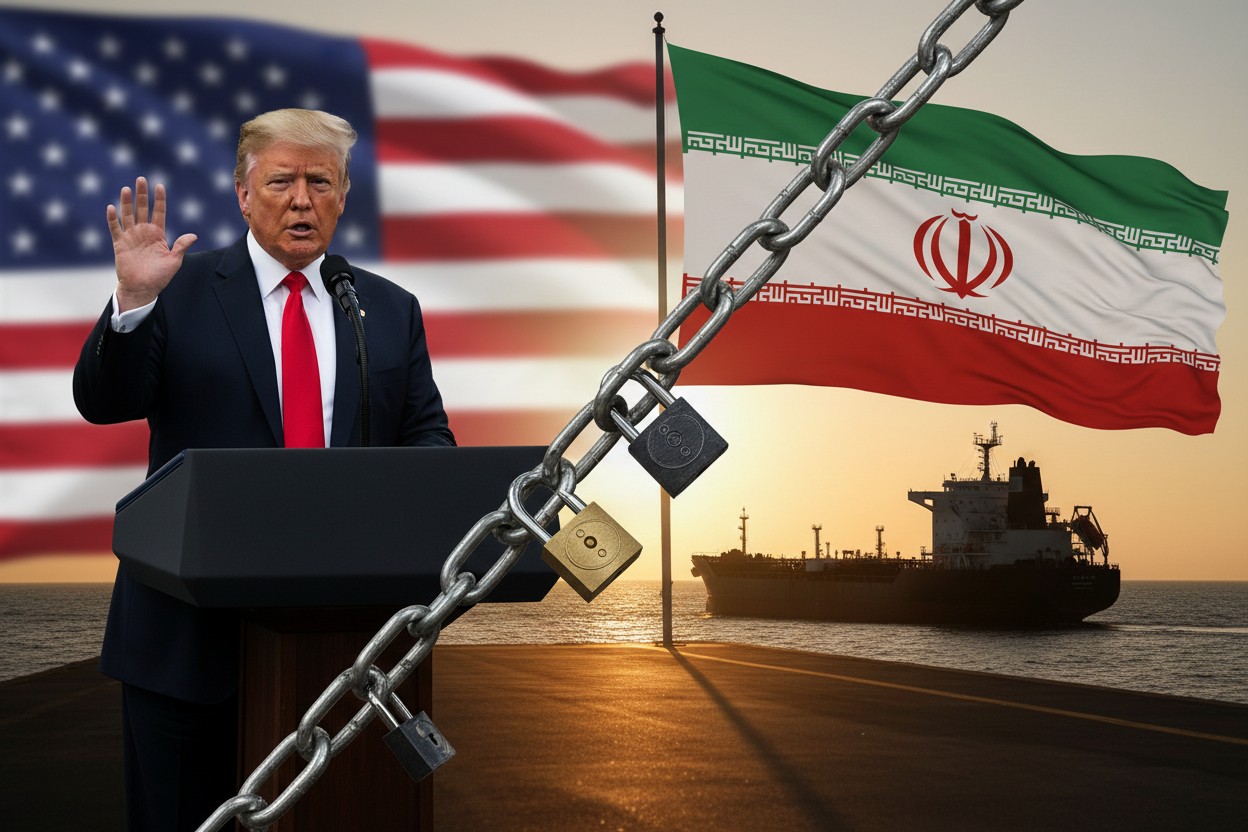
- Iran’s top security official Ali Bagheri has called U.S. negotiating tactics “detached from reality” and denounced Washington’s “peace through force” approach as “barbaric”.
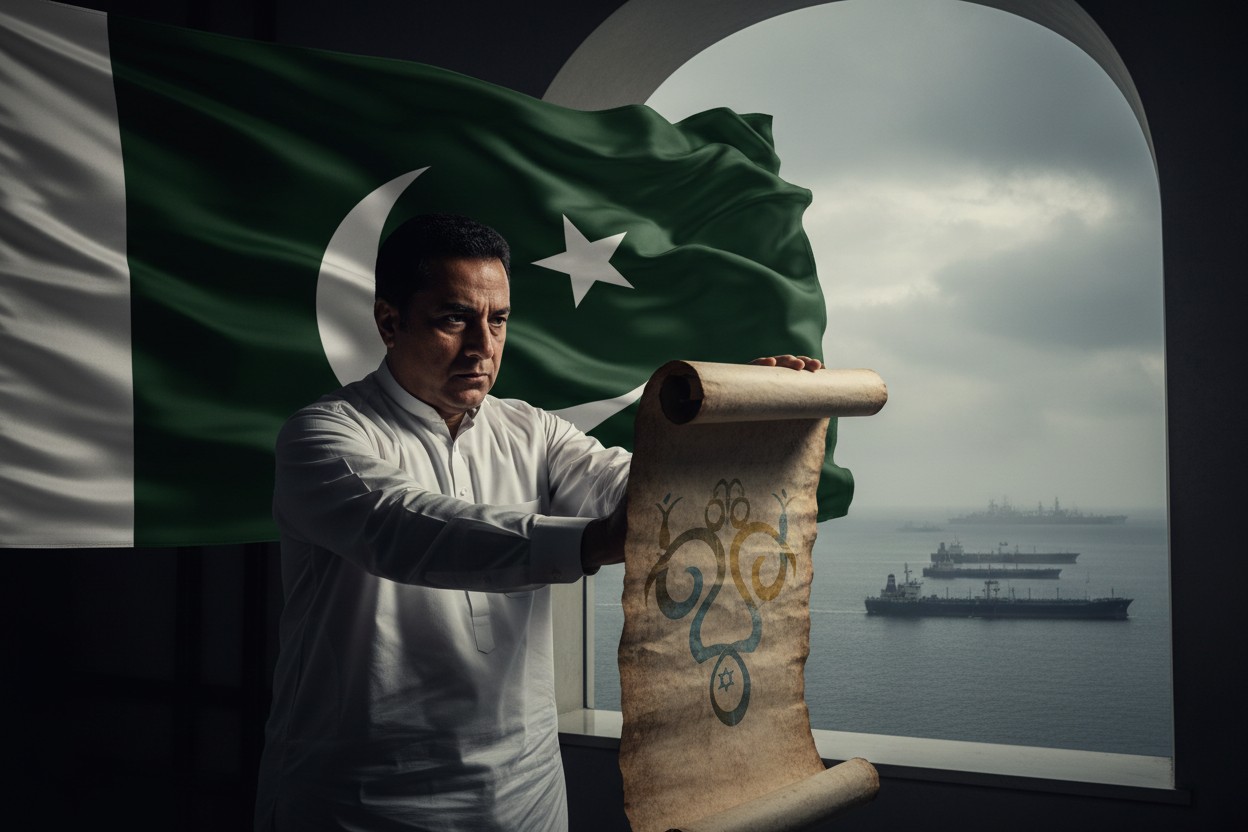
- Tehran insists the Strait of Hormuz remains under Iranian control following U.S.-Israeli strikes, with Iran demanding tolls and regulating passage.
- Iran-U.S. negotiations mediated by Pakistan have made limited progress, with significant gaps remaining on nuclear enrichment, sanctions relief, and lasting security guarantees.
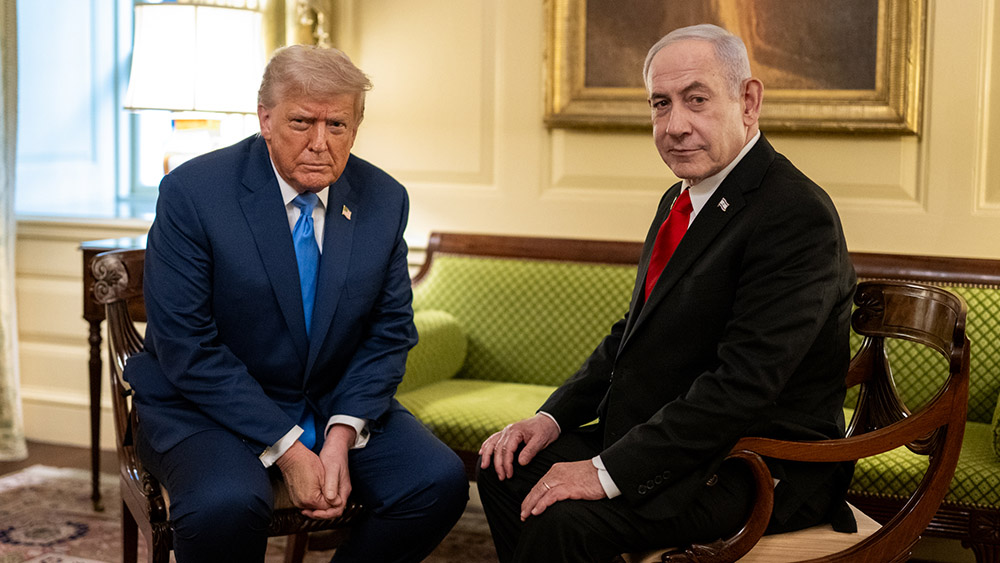
- U.S. President Trump has issued threats of renewed bombing while simultaneously claiming progress in talks, creating confusion over Washington’s intentions.
- Iran warns it will cut off all diplomatic channels and impose “significantly greater costs” on U.S. interests if war resumes.
Diplomacy or deception: The stalemate in Islamabad
The United States is demanding Iranian concessions that exceed what any sovereign nation could accept, Tehran’s top security official told reporters Wednesday, as mediated negotiations in Pakistan struggle to bridge widening gaps between the two adversaries after weeks of open conflict.
Ali Bagheri, deputy secretary of Iran’s Supreme National Security Council and a former foreign minister, accused Washington of pursuing a “barbaric” foreign policy that prioritizes military force over diplomatic solutions. Speaking on the sidelines of a security conference in Moscow, Bagheri said U.S. officials are “detached from reality” in their demands.
The comments come as a two-week ceasefire agreement between Iran and the U.S.-Israeli alliance approaches expiration Tuesday, with both sides signaling preparations for renewed hostilities if negotiations fail.
The Strait of Hormuz: A flashpoint for global energy
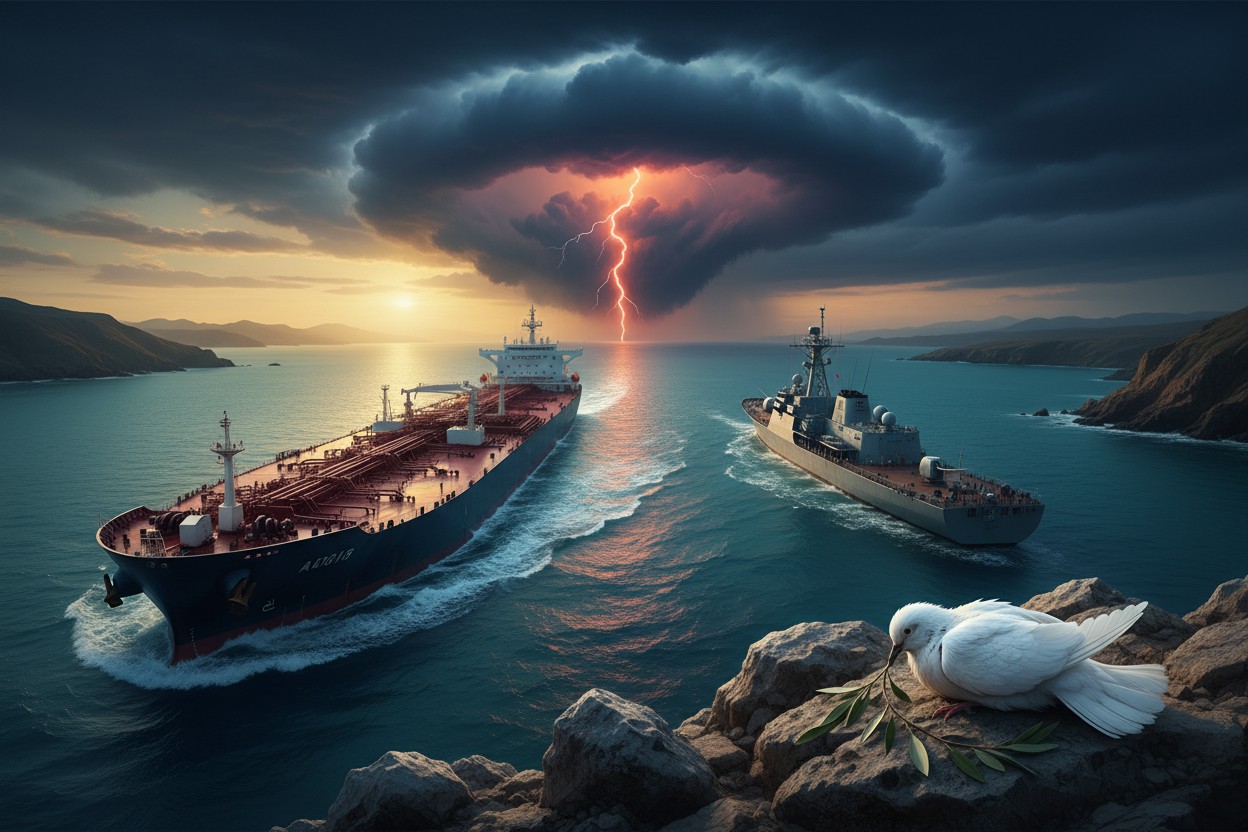
Iran has maintained control of the Strait of Hormuz since closing it to vessels from “hostile countries” in response to U.S. and Israeli airstrikes earlier this year. Approximately 20% of the world’s oil passes through the strategic waterway, and Tehran has insisted on its right to regulate traffic and collect transit fees.
Bagheri told state television that the Strait “cannot be allowed to become a source of instability or insecurity for Iran,” warning that any powers using the waterway to undermine Iranian security “must bear responsibility and be held accountable.”
The Iranian Navy intercepted a U.S. oil tanker attempting to transit the Strait with its radar system disabled, according to Iranian military sources. The vessel was forced to stop and turn back after warning shots were fired.
The dispute has global implications. Energy analysts warn that sustained disruption of Hormuz traffic could push crude oil prices past $250 per barrel, triggering a worldwide recession.
Nuclear negotiations: Maximalist demands meet red lines
The core dispute centers on Iran’s nuclear enrichment program, which Tehran insists is peaceful. U.S. intelligence assessments dating back to 2007 have consistently concluded that Iran is not actively developing nuclear weapons, yet Washington continues to demand what Bagheri called “excessive” concessions.
The U.S. has reportedly demanded a 20-year moratorium on enrichment activities and the transfer of Iran’s enriched uranium stockpile to American custody. Iran has offered a shorter suspension of less than five years and proposed diluting its enriched materials rather than surrendering them.
“Iran’s enriched uranium is not going to be transferred anywhere,” Foreign Ministry spokesman Esmail Baghaei told reporters in Tehran.
Bagheri emphasized that Iran remains open to “constructive dialogue and sustainable cooperation” but will not accept ultimatums. “This view is outdated and belongs to the era of barbarism,” he said of Washington’s approach.
Regional dynamics: Iran blames U.S. for instability
Bagheri argued that there is “no problem” between Iran and its Gulf neighbors and that the real source of instability in West Asia is U.S. interference and Israeli influence.
“If the U.S. is excluded from the region and the Israeli regime has no role in the region, it will become stable, secure, and peaceful,” he told RT in Moscow.
The Iranian official also referenced the U.S. strike on a school in Minab on February 28, which he described as a massacre of children. “The U.S. attack on the Minab school showed that this country’s claims about human rights are completely false,” Bagheri said, adding that Iranians “will not forget the crime.”
What comes next: War or diplomacy?
The window for a negotiated settlement appears to be narrowing. Iranian Parliament Speaker Mohammad Bagher Ghalibaf, who leads the negotiating delegation in Islamabad, acknowledged progress but warned that “significant gaps” remain on nuclear matters and the Strait of Hormuz.
“We have no trust in the enemy,” Ghalibaf told Iranian state television. “Even at this moment, while we are sitting here, the war may start—the armed forces are fully prepared in the field.”
Bagheri warned that if Trump resumes military operations, Iran would cut off all diplomatic channels and focus on “imposing significantly greater costs on United States interests.”
The historical parallels are difficult to ignore. Since the 1990s, U.S. intelligence assessments have repeatedly warned that Iran was years or months away from obtaining nuclear weapons. Three decades later, no bomb has materialized. The pattern of alarmist predictions followed by diplomatic crises followed by war scares has become a recurring cycle in U.S.-Iran relations.
Whether the current crisis breaks that cycle or deepens it depends on decisions being made in Washington and Tehran over the coming days.
Sources for this article include:
Submit a correction >>
Tagged Under:
absurd, big government, chaos, diplomacy, energy crisis, Globalism, insanity, military tech, national security, nuclear, peace through force, politics, power, Resist, sanctions, Trump, weapons tech, WWIII
This article may contain statements that reflect the opinion of the author
RECENT NEWS & ARTICLES