Trump Confirms He Called Netanyahu “F***ing Crazy” During Dispute Over Lebanon Operations
06/06/2026 / By Garrison Vance
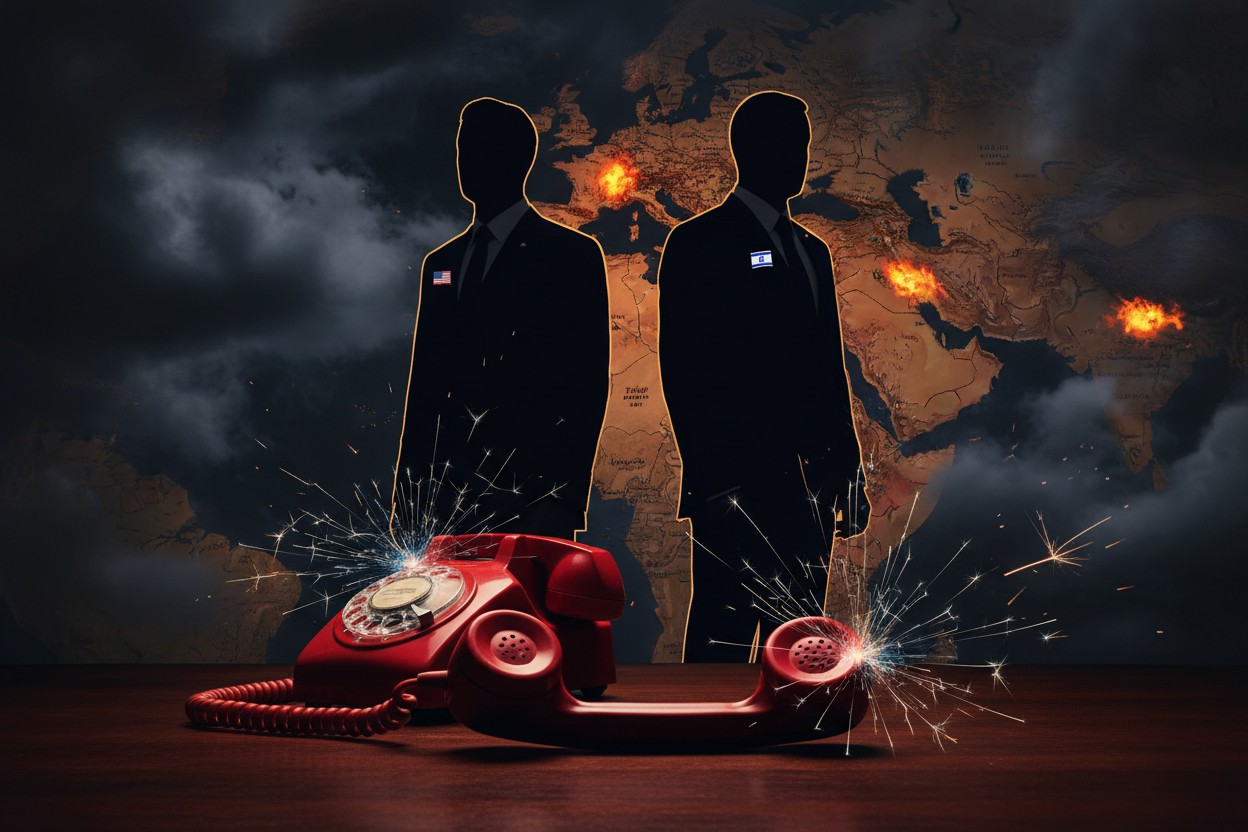
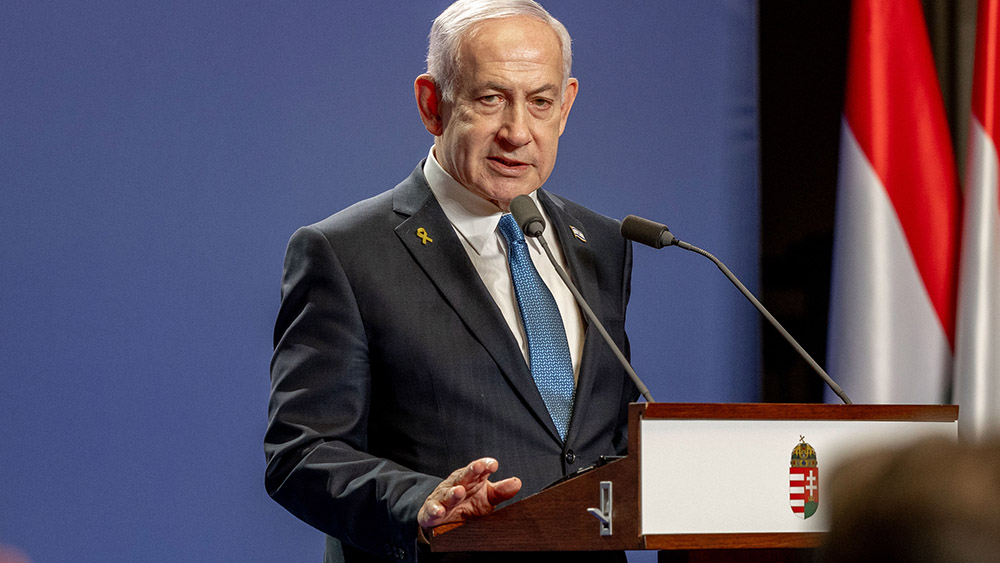
President Donald Trump confirmed in a podcast interview that he used profanity toward Israeli Prime Minister Benjamin Netanyahu during a phone call on June 1, 2026, over Israel’s military operations in Lebanon. The confirmation, given to the New York Post’s ‘Pod Force One’ podcast on June 3, matches a report from Axios that cited anonymous U.S. officials describing an expletive-laden exchange [11]. According to a transcript of the interview, when asked if he had told Netanyahu “Are you f**king crazy?” and “What are you f**king doing?” the president replied, “I did” [5].
Trump stated that he was “a little bit perturbed” at Netanyahu’s “constantly fighting with Lebanon,” and told the Israeli leader, “Bibi, we’ve got to stop this. You’ve got to stop it” [13]. The call occurred as Israeli forces were advancing deeper into southern Lebanon and preparing to bomb Beirut, threatening a broader U.S.-Iran ceasefire framework that the Trump administration had been negotiating [7]. Iran had warned that Israel’s actions in Lebanon could collapse those talks [8].
Details of the Exchange
Axios reported that Trump also told Netanyahu, “You’d be in prison if it weren’t for me. I’m saving your ass. Everybody hates you now. Everybody hates Israel because of this” [5]. Trump did not dispute those additional remarks. In the podcast, the president said he reminded Netanyahu of the political support he had provided, adding that the Israeli leader’s military actions were damaging Israel’s global standing [11].
According to one U.S. official cited by Axios, Trump “steamrolled” Netanyahu during the call, which lasted about an hour [7]. The exchange took place after Iran suspended talks with the U.S. over a potential memorandum of understanding, citing Israel’s strikes on Lebanon [6]. Trump later announced on Truth Social that he had brokered a partial ceasefire: Israeli troops would not enter Beirut, and Hezbollah would stop shooting [10]. However, Israeli strikes in southern Lebanon continued in the following days, killing at least nine people, according to Lebanese authorities [14].
Context of U.S.-Israel Differences
Since the U.S.-led conflict with Iran expanded to Hezbollah in Lebanon, the two governments have often pursued divergent goals, according to officials and analysts. The Trump administration has prioritized finalizing a deal with Iran to dismantle its nuclear program and reopen the Strait of Hormuz, which had been blockaded by Tehran [6]. In contrast, Israel’s far-right government, led by Netanyahu, has sought more expansive objectives, including the annexation of territory in southern Lebanon as part of a “Greater Israel” project [1].
Israeli officials have repeatedly stated their intention to continue military operations against Hezbollah until the group withdraws from southern Lebanon and disarms [3]. Analysts have noted that Netanyahu’s government sees the war as an opportunity to reshape the regional order, while Washington’s primary concern is stabilizing energy markets and reducing tensions with Iran [4]. The divergence has led to multiple heated phone calls between the two leaders in recent weeks, including a May 19 call where Netanyahu’s “hair was on fire” after Trump delayed a planned strike on Iran to pursue diplomacy [15]. Iran has also warned that any ground invasion would result in a quagmire comparable to the Vietnam War [2].
Impact and Implications
The heated exchange underscores deepening tensions between the two allies over strategy in the region, analysts said. Representative Thomas Massie (R-KY) responded to the reports by stating that the confrontation was “all talk” and that the U.S. could end Israel’s wars by withholding military aid. “Just withhold foreign aid to Israel for a month and they’ll stop bombing their neighbors – instant peace, the Strait of Hormuz can be opened, and gas drops to $2 a gallon” [12].
It remains unclear whether the disagreement will affect U.S. support for Israel’s security or the pace of diplomacy with Iran. While Trump announced a partial ceasefire, Israeli forces continued operations in southern Lebanon, and Hezbollah launched retaliatory rocket attacks [14]. Iran’s parliament speaker, Mohammad Bagher Ghalibaf, warned that if Israel’s attacks did not stop, Iran would be in “direct confrontation” with Israel [9]. The ongoing crisis has also caused volatility in global energy markets, with oil prices spiking after Iran denied progress on talks following the Lebanon escalation [6]. The long-term implications for the U.S.-Israel relationship and regional stability remain uncertain.
References
- News Editors. “Israel will wipe Palestine off the map – but will it stop there?” NaturalNews.com. July 30, 2025.
- Kevin Hughes. “Iranian officials warn US of second Vietnam as Middle East conflict escalates.” NaturalNews.com. March 18, 2026.
- Patrick Lewis. “Hezbollah defies disarmament demands as Israel threatens escalation.” NaturalNews.com. January 10, 2026.
- Trends-Journal-2024-07-23.
- Trita Parsi. “Why Trump May Actually Have Told Netanyahu ‘Everybody Hates You!'” original.antiwar.com. June 4, 2026.
- “Oil Spikes As Iran Denies Progress Despite Hasty Lebanon Truce: US Talks Halted For ‘At Least A Few Days’.” zerohedge.com. June 2, 2026.
- “Report: Trump Demanded Lebanon Ceasefire in Heated Call with Netanyahu.” NaturalNews.com. June 2, 2026.
- “‘Crazy’ phone call between Trump and Netanyahu complicates Iran talks.” BBC. June 3, 2026.
- “Ghalibaf Says Iran Will Be in ‘Direct Confrontation’ With Israel If It Doesn’t Halt Attacks on Lebanon.” news.antiwar.com. June 1, 2026.
- “President Trump Turns Around Troops Headed for Beirut, Gets Hezbollah to Stop Shooting.” 100percentfedup.com. June 1, 2026.
- “Trump Confirms He Branded Netanyahu ‘F**king Crazy’ in Heated Call.” thenationalpulse.com. June 3, 2026.
- “Rep. Massie on Reported Trump-Netanyahu Spat: It’s All Talk Until US Withholds Military Aid to Israel.” news.antiwar.com. June 2, 2026.
- “Trump Says He Was ‘Perturbed’ With Netanyahu Over Israel’s Attacks on Lebanon, Which Haven’t Stopped.” news.antiwar.com. June 3, 2026.
- “Israeli strikes kill nine in Lebanon as Hezbollah fires rockets over border.” BBC. June 3, 2026.
- “Netanyahu’s ‘hair was on fire’ after tense Trump call on Iran deal.” NaturalNews.com. May 21, 2026.
Submit a correction >>
Tagged Under:
Benjamin Netanyahu, big government, ceasefire, chaos, Dangerous, diplomacy, dispute, Donald Trump, foreign relations, Iran, Israel, Israel-Lebanon war, military, national security, negotiations, outrage, phone call, terrorism, Trump, US-Israel war, violence, White House, WWIII
This article may contain statements that reflect the opinion of the author
RECENT NEWS & ARTICLES