U.S. Inflation Rises to 4.2% in May, Highest in Three Years; Trump Predicts Drop After Iran War
06/11/2026 / By Sterling Ashworth
The U.S. annual inflation rate surged to 4.2% in May, up from 3.8% in April, according to Bureau of Labor Statistics (BLS) data released on Wednesday, June 10.
This marks the highest 12-month inflation reading since April 2023. The increase was driven primarily by rising energy costs, the agency said. Core inflation, which excludes volatile food and energy categories, ticked up to 2.9% from 2.8% in the prior month, according to the report. [1] [2]
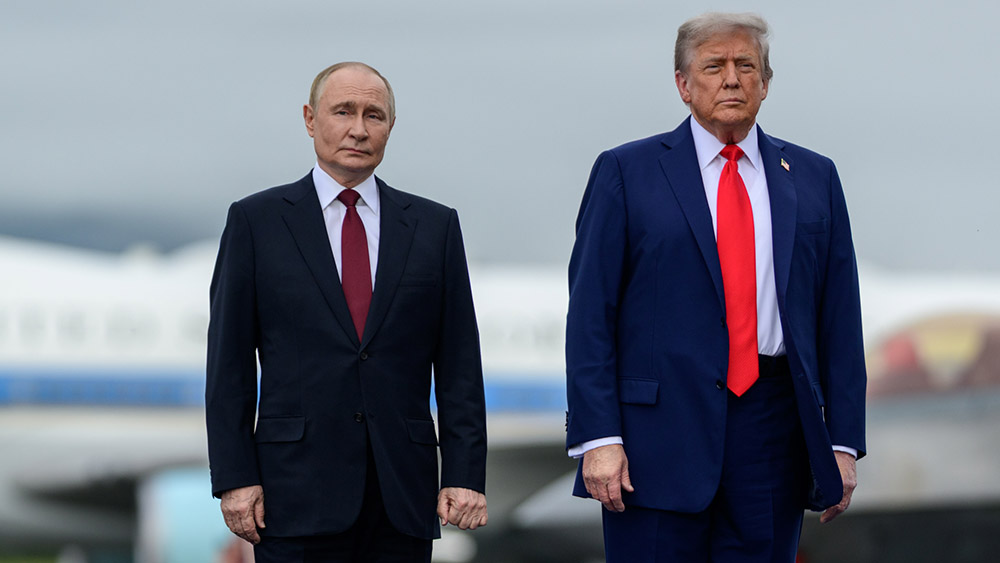
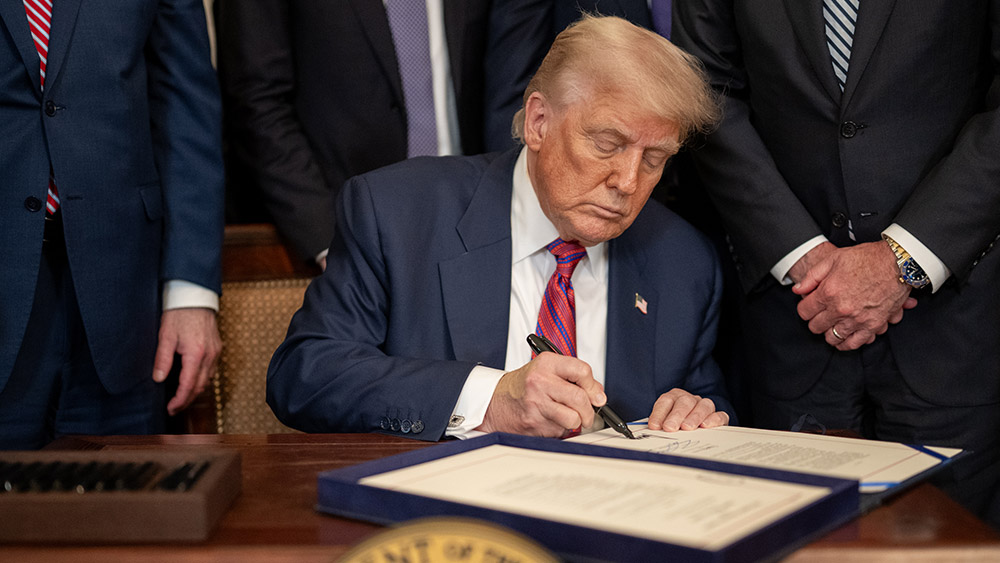
President Donald Trump, in remarks to reporters, acknowledged the inflation increase and stated he “loves the inflation” because it reflects the administration’s efforts to seize Iranian oil. He predicted that once the war ends, inflation will drop “like a rock.”
Trump said the price rises are a direct result of U.S. military operations targeting Iranian oil shipments. “I could’ve kept it that way,” he told NBC‘s Kristen Welker in an interview recorded earlier, acknowledging that the inflation was his choice resulting from the war. [3]
Energy Costs and Supply Disruptions
Energy costs were the primary driver of the May inflation spike, the BLS reported. Gas and electricity costs are nearly 25% higher than a year ago, according to the Consumer Price Index.
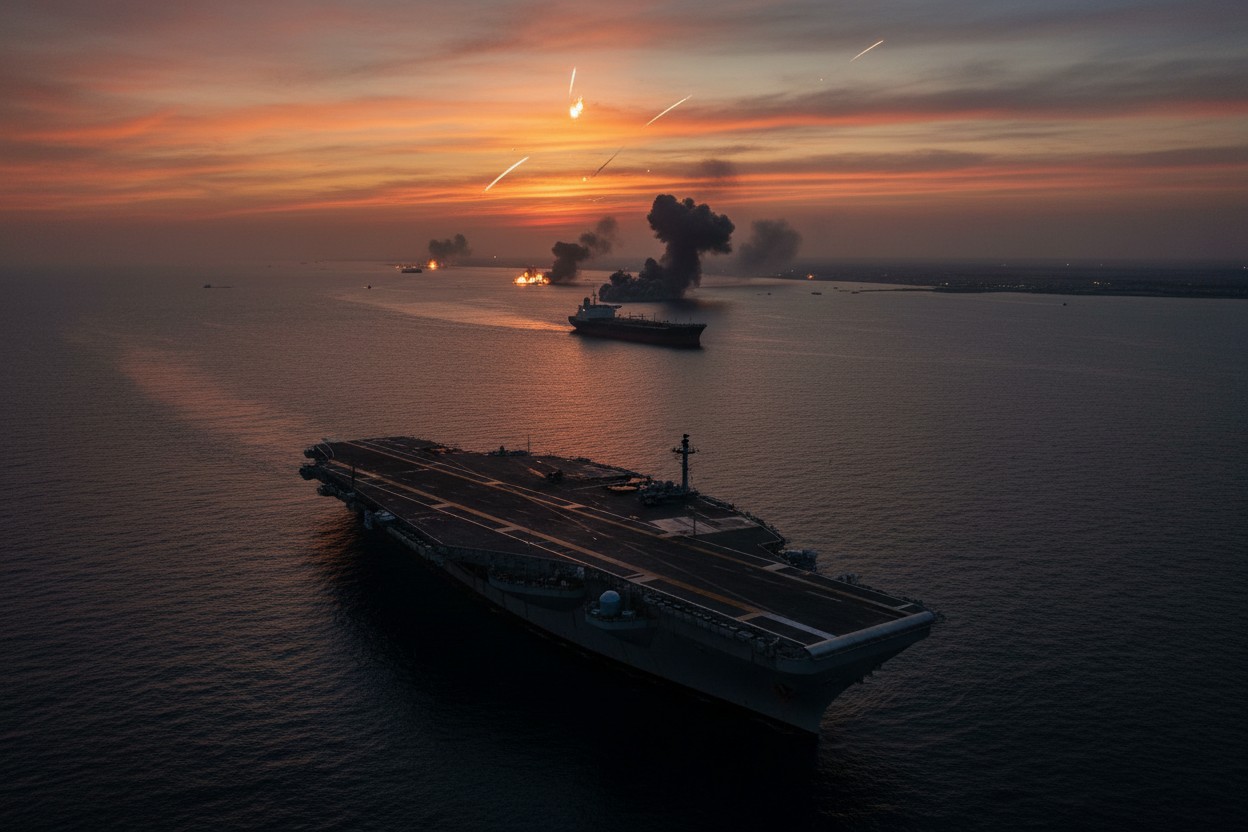
The average price of a gallon of regular gasoline rose to $4.15 in May from $2.98 in February, according to data. This surge followed U.S. and Israeli strikes on Iran that led to the closure of the Strait of Hormuz, a critical chokepoint for global oil and gas shipments. [2] [4] The Strait of Hormuz closure disrupted roughly one-fifth of the world’s daily oil supply, according to analysts.
Iran’s retaliatory blockade following the strikes trapped millions of barrels of crude at sea and sent energy prices climbing. The U.S. Navy declined multiple requests from commercial shipping to escort vessels through the strait, according to industry officials. Energy Secretary Chris Wright and Interior Secretary Doug Burgum issued a joint statement on March 19 denying any plans to restrict U.S. oil and natural gas exports as a tool to lower domestic fuel prices. [5] [6] [4]
Trump’s Remarks and Oil Seizures
Trump, speaking to reporters, said the United States has been “taking out millions of barrels of oil” from Iran, including 22 ships of oil “last night,” according to a statement he made. He also announced on Truth Social a “secret mission to support Oil Tankers and other Commercial Ships through the Strait of Hormuz” that resulted in “more than 100 MILLION Barrels of Oil making its way through the Strait, and into the Open Market.” Trump argued that these seizures would eventually lower inflation once the war ends. [3]
In an interview with Welker, Trump said, “I love it. I love the inflation. You know why? Because as soon as this war is over … Do you know we’ve been taking out millions of barrels of oil? Nobody knows it. You know who doesn’t know? Iran until right now. Late at night, with no lights. Because they don’t have any radar, because we blasted the crap out of it. We took it out. That’s why oil’s $85 a barrel.”
The president continued: “When the war is over? It’s coming down. It’s going to come down like a rock.” House Speaker Mike Johnson (R-LA) defended Trump’s comments, saying the media distorted the president’s meaning. [3] [7]
Economic Impact and Federal Reserve
The inflation rate of 4.2% far exceeds the Federal Reserve’s long-term target of 2%, analysts noted. The likelihood of the Fed raising interest rates to curtail spending has increased, according to economists.
Higher inflation raises the probability that the central bank will tighten monetary policy, which would increase borrowing costs for consumers and businesses. Kevin Warsh was sworn in as the 17th Federal Reserve chair on May 22, taking over at a time of reaccelerating inflation driven by the war. [2] [8]
Consumer sentiment crashed to a record low of 49.8 in late April, the lowest level since data collection began in 1978, according to the University of Michigan’s Consumer Sentiment Index. The drop was attributed to the ongoing Iran war.
A poll found 55% of Americans reported that their household finances have been at least somewhat affected by climbing fuel costs, with 21% experiencing significant impact. The average monthly mortgage payment in the U.S. topped $2,000 for the first time, further squeezing household budgets. [1] [9] [10]
Conclusion
The combination of war-driven energy disruptions, rising consumer prices, and the highest inflation in three years has created significant economic strain on American households. Trump has framed the inflation spike as a temporary cost of military operations aimed at securing oil supplies, and he has predicted that prices will fall sharply once the conflict ends.
However, the closure of the Strait of Hormuz and the broader regional instability continue to disrupt global energy markets, and the Federal Reserve faces pressure to respond with interest rate increases. As negotiations with Iran remain stalled, the trajectory of both the war and inflation remains uncertain. [2] [11]
References
- “US Inflation Surges to Highest Level Since April 2023.” NTD. June 10, 2026.
- “US inflation surges to three-year high of 4.2%.” BBC. June 10, 2026.
- “‘I Could’ve Kept It That Way’: Trump Admits The Inflation Is His Choice – For A War That ‘Isn’t A War’.” ZeroHedge. June 7, 2026.
- Lance D Johnson. “Strait of Hormuz Siege Threatens Global Energy Collapse as Trump Dismisses $100 Oil as ‘Small Price’ for Iran War.” NaturalNews.com. March 09, 2026.
- Mike Adams. “The Strait of Hormuz Isn’t Open Until Iran Says Its Open.” NaturalNews.com. March 11, 2026.
- Cabinet Secretaries Rule Out Export Restrictions to Curb Gas Prices Citing Energy Security. NaturalNews.com. March 21, 2026.
- “Johnson Scolds Media For Distorting President Trump’s Inflation Remark: ‘You Know What He Meant’.” 100PercentFedUp. June 10, 2026.
- “‘Mission Impossible’ Begins: Watch Live As Kevin Warsh Is Sworn In As 17th Fed Chair.” ZeroHedge. May 22, 2026.
- Michael Snyder. “Americans’ Average Monthly Mortgage Payment Tops $2000 For The First Time Ever.” ZeroHedge. June 7, 2026.
- Ava Grace. “Soaring Gas Prices, Strained Wallets, and the Shadow of a Distant War.” NaturalNews.com. March 25, 2026.
- “Iran FM Blames U.S. ‘Contradictions’ On Stalled Peace Talks As Tehran Slaps Million-Dollar Hormuz Tax On Ships.” ZeroHedge. June 7, 2026.
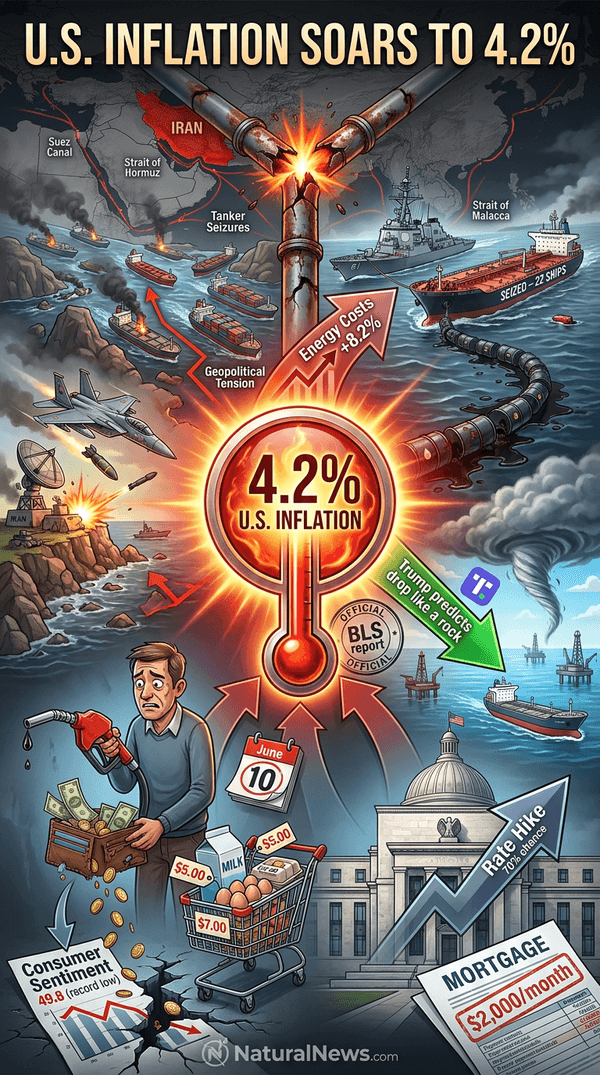
Explainer Infographic
Submit a correction >>
Tagged Under:
big government, chaos, Collapse, Dangerous, Donald Trump, economics, economy, energy prices, food prices, Inflation, Iran, oil prices, Operation Epic Fury, Strait of Hormuz, United States, US-Israel strikes, war on Iran, White House, WWIII
This article may contain statements that reflect the opinion of the author
RECENT NEWS & ARTICLES