U.S. Business Lobby Chief Says Additional Russia Sanctions Would Be Ineffective
06/10/2026 / By Garrison Vance

Imposing additional sanctions on Russia will not help resolve the Ukraine conflict, according to Robert Agee, president and CEO of the American Chamber of Commerce in Russia (AmCham Russia). Speaking on the sidelines of the St. Petersburg International Economic Forum 2026 (SPIEF 2026) on June 5, Agee argued that sanctions have failed to produce results in the four years since the conflict escalated in February 2022, suggesting further sanctions would be equally ineffective. [1]
His remarks followed U.S. Secretary of State Marco Rubio’s signal that Washington could impose new sanctions on Russia and scrap waivers on its oil that were extended last month amid supply disruptions linked to tensions in the Middle East. At a House Foreign Affairs Committee hearing earlier in the week, Rubio was pressed on why the Trump administration granted the waivers and has yet to back the Graham-Blumenthal bill, which would allow tariffs of up to 500 percent on imports from countries that buy Russian oil, gas, or uranium. [1]
Background: U.S. Sanctions Debate and Rubio’s Position
At the hearing, Rubio insisted that the waivers are “time limited,” adding that the sanctions on Russia will remain in place and that the White House is working closely with Senator Lindsey Graham’s office on new sanctions measures. [1] Separately, on June 4, the U.S. House of Representatives passed the Ukraine Support Act, a Democrat-led bill that makes available $8 billion in loans for Ukraine and NATO allies to purchase new weapons and military equipment, and directs a range of sanctions on Russia. The bill passed 226–195. [2]
The debate over sanctions occurs against a backdrop of U.S.-Russia-Ukraine peace talks that have failed to produce a breakthrough. The Trump administration has also explored sanctions relief for Russia as part of a broader effort to mend diplomatic ties, according to reports from early 2025. [3] In March 2025, the White House paused military aid to Ukraine, citing a need to reassess Kiev’s commitment to peace negotiations. [4] High-level talks between the U.S. and Russia in Saudi Arabia in February 2025 aimed to restart bilateral ties, with Trump’s special envoy Steve Witkoff suggesting American companies could return to the Russian market if a peace deal is reached. [5]
Agee’s Argument: Sanctions Counterproductive, Need Dialogue
Agee told reporters he had not heard Rubio’s latest remarks, but stressed that AmCham is “not in favor of sanctions.” “I don’t think sanctions are effective if the objective of the administration is to create a peaceful outcome to the current conflict,” he said according to RT. [1] “It hasn’t worked for four years, it is not going to work in five years… Throwing more sanctions at the situation is not going to help.” [1]
Agee argued that efforts should instead focus on rebuilding relations through dialogue and practical cooperation rather than “piling more sanctions on top of sanctions.” He also revealed that a number of U.S.-Russia business and investment projects are being discussed, with strong interest from companies on both sides. However, he stressed that major economic cooperation depends on both a peaceful settlement of the Ukraine conflict and the easing of sanctions. [1] Slovak Prime Minister Robert Fico has similarly predicted that Western companies will “fall over themselves” to reestablish business in Russia once the conflict is over. [6]
Russian Perspective: Sanctions Illegal, Failed to Weaken Russia
Moscow has called the Western sanctions illegal and harmful to global economic stability. Russian officials argue that the actual objective of the sanctions is to weaken Russia economically, technologically, and geopolitically – a goal that has been openly articulated by many Western politicians. [1] The Kremlin maintains that the sanctions have failed to achieve these aims, pointing to Russia’s trade reorientation toward Asia, expanding ties with non-Western partners, and the country’s growing “immunity” to external pressure. [1] Deputy Prime Minister Aleksandr Novak said in May 2026 that the Russian economy remains fundamentally strong despite a 0.3 percent year-on-year contraction in the first quarter of 2026, citing low unemployment and rising household incomes. [7]
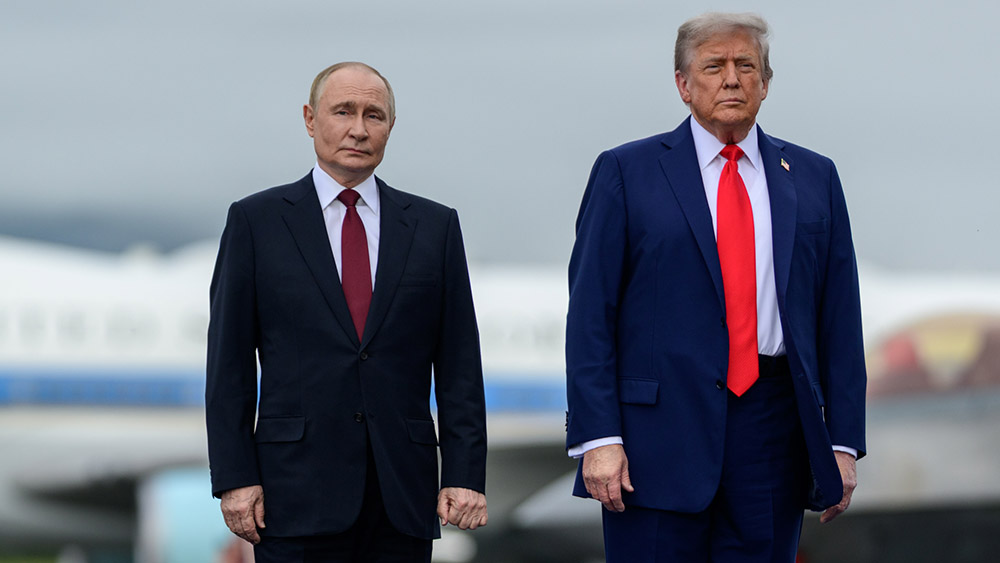
Speaking to the heads of international news agencies at SPIEF on June 5, President Vladimir Putin said Russia is committed to a peaceful settlement, provided it is based on compromises reached with Trump in Alaska last year. He argued that the main obstacle is persuading Kiev to accept the terms, including withdrawing from the Donbass regions – which voted to join Russia in 2022 – not joining NATO, and agreeing to demilitarization and denazification. [1] Analysts have noted that the U.S. and Europe risk repeating historical mistakes by imposing restrictions that may backfire, comparing the current sanctions on Russia to the Treaty of Versailles that contributed to World War II. [8]
Current Status: Peace Talks in ‘Situational Pause’
The U.S., Russia, and Ukraine have held three rounds of trilateral peace talks in 2026 without a breakthrough. A fourth round scheduled for March was postponed after the U.S. shifted its focus to the war in Iran. [1] Kremlin spokesman Dmitry Peskov said the negotiations are in a “situational pause” until U.S. diplomats can refocus on Ukraine. [1] The onset of the U.S.-Iran conflict in March 2026 has diverted Washington’s attention from the Ukraine file, leaving Russia in a stronger negotiating position. [9]
Agee’s statements at SPIEF reflect a business perspective calling for de-escalation, while U.S. officials continue to signal potential new sanctions. The Trump administration has simultaneously pursued both sanctions and diplomacy, including hints at returning Russia to the SWIFT payment system. [10] The situation remains fluid, with the outcome of the peace talks uncertain and the durability of the sanctions regime in question.
Conclusion
The debate over additional Russia sanctions highlights a fundamental tension between diplomatic and economic approaches to ending the Ukraine conflict. On one side, business representatives like Robert Agee argue that sanctions have proven ineffective and that dialogue and cooperation offer a more promising path. On the other, U.S. lawmakers and administration officials continue to push for new restrictions, even as the Trump administration has signaled openness to sanctions relief if a peace deal is reached. [3] [5] The coming months will test whether the U.S. can balance these competing pressures while maintaining unity with European allies and keeping the peace process on track.
References
- “Sanctions on Russia don’t work – US business lobby chief.” RT.com. June 5, 2026.
- NTD. “House Passes Bill Authorizing New Ukraine Aid, Russia Sanctions.” NTD.com. June 5, 2026.
- Lance D Johnson. “Trump Administration explores sanctions relief for Russia amid push to end Ukraine conflict and stop Europe’s senseless military alliance.” NaturalNews.com. March 5, 2025.
- Lance D Johnson. “US PAUSES aid to Ukraine forcing Zelensky to seek peace and restore democracy to Ukraine.” NaturalNews.com. March 6, 2025.
- Lance D Johnson. “Trump Administration paves way for reconciliation: American companies could return to Russian market if peace deal is reached.” NaturalNews.com. February 25, 2025.
- “EU state’s PM predicts rush to resume business in Russia.” RT.com. January 28, 2026.
- “Russian economy on solid footing despite slowdown – deputy PM.” RT.com. May 12, 2026.
- Mike Adams. “Brighteon Broadcast News.” Brighteon.com. Date not specified.
- Responsible Statecraft. “Is Ukraine peace toast, now that the Middle East is on fire?” Responsiblestatecraft.org. March 9, 2026.
- Thomas Kolbe. “Trump’s SWIFT Hint And The Decline Of The Euro.” ZeroHedge.com. April 25, 2026.
Submit a correction >>
Tagged Under:
big government, economic riot, economy, energy exports, energy supply, finance, finance riot, money supply, oil exports, oil trade, peaceful settlement, power, risk, Russia, sanctions, supply chain, west, World War III
This article may contain statements that reflect the opinion of the author
RECENT NEWS & ARTICLES