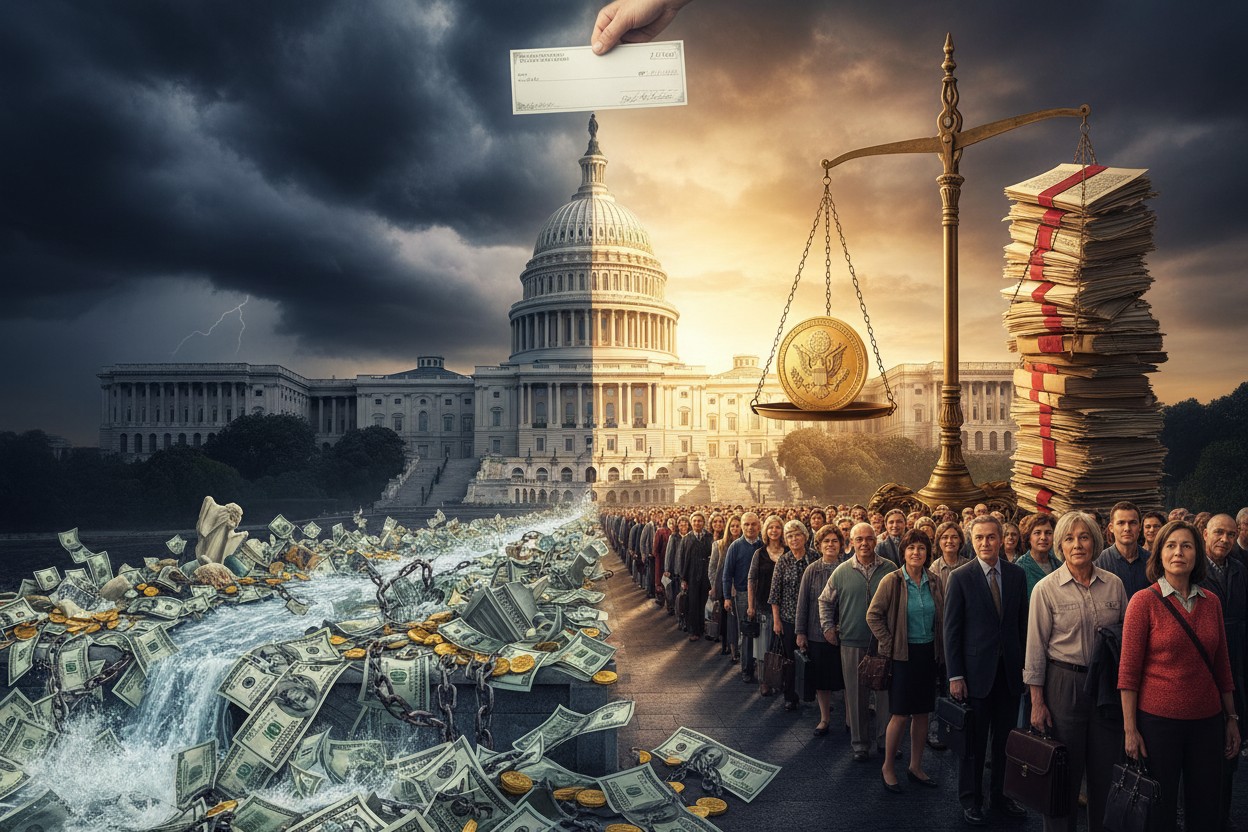
New Delhi vows to protect energy security as U.S. threatens up to 100% tariffs over Russian oil
09/17/2026 / By Cassie B.

- India says it will take all necessary measures to protect its trade after U.S. lawmakers passed a bill threatening tariffs on Russian oil buyers
- The House passed the bill 262-159 and it now goes to President Trump to sign into law
- Russia supplied roughly 30% of India’s crude imports last year, worth $40.8 billion
- New Delhi says it warned U.S. officials for months about the risks the bill poses to bilateral ties and energy markets
- Middle East turmoil from U.S.-Israeli strikes on Iran has disrupted the Strait of Hormuz, narrowing India’s alternative oil options
India declared it will take “all necessary measures” to shield its trade and economy after the U.S. House of Representatives approved legislation allowing President Donald Trump to impose tariffs of up to 100% on major buyers of Russian oil. The bill, passed by a 262-159 vote on Wednesday and now heading to President Trump’s desk, targets nations like India and China that continue to purchase significant volumes of Russian crude more than four years into the Ukraine conflict. The Indian Foreign Ministry released a statement Thursday asserting the country remains “firmly committed to ensuring energy security” for its 1.4 billion citizens, signaling a defiant stance against the pressure from Washington.
Russian crude accounts for nearly a third of India’s imports
The new legislation, named the Lindsey O. Graham Sanctioning Russia and Iran Act of 2026, grants the president broad authority to levy additional duties on the top five importers of Russian oil and natural gas. The move poses a direct challenge to India, which has become one of Moscow’s largest energy customers since the war began.
India imported $40.8 billion worth of Russian crude in the last fiscal year, representing roughly 30.3% of its total crude oil imports, according to the Global Trade Research Initiative (GTRI). By August, Russian crude had surged to account for 45% of India’s monthly oil imports. This deep reliance on discounted Russian barrels has helped stabilize fuel costs for the world’s most populous nation but now exposes it to the risk of severe economic penalties from its largest export market.
Diplomatic warnings to Washington went unheeded for months
New Delhi has been raising the alarm with American officials for months, according to the Indian Foreign Ministry, which said it had “very clearly articulated” the risks the legislation poses — not just to bilateral relations, but to the stability of the international energy market. Those warnings evidently did little to slow the bill’s progress through Congress.
Despite the ongoing diplomatic engagement, the threat of tariffs remains. The legislation does not automatically impose the duties but gives Trump the power to do so. To manage the impending crisis, the Indian government said it will work closely with domestic trade and industry bodies. The ministry also noted that New Delhi will continue to pursue energy security by sourcing from a diversified set of suppliers and adapting to changing market conditions.
Pressure mounts as a separate Middle East conflict disrupts global energy flows
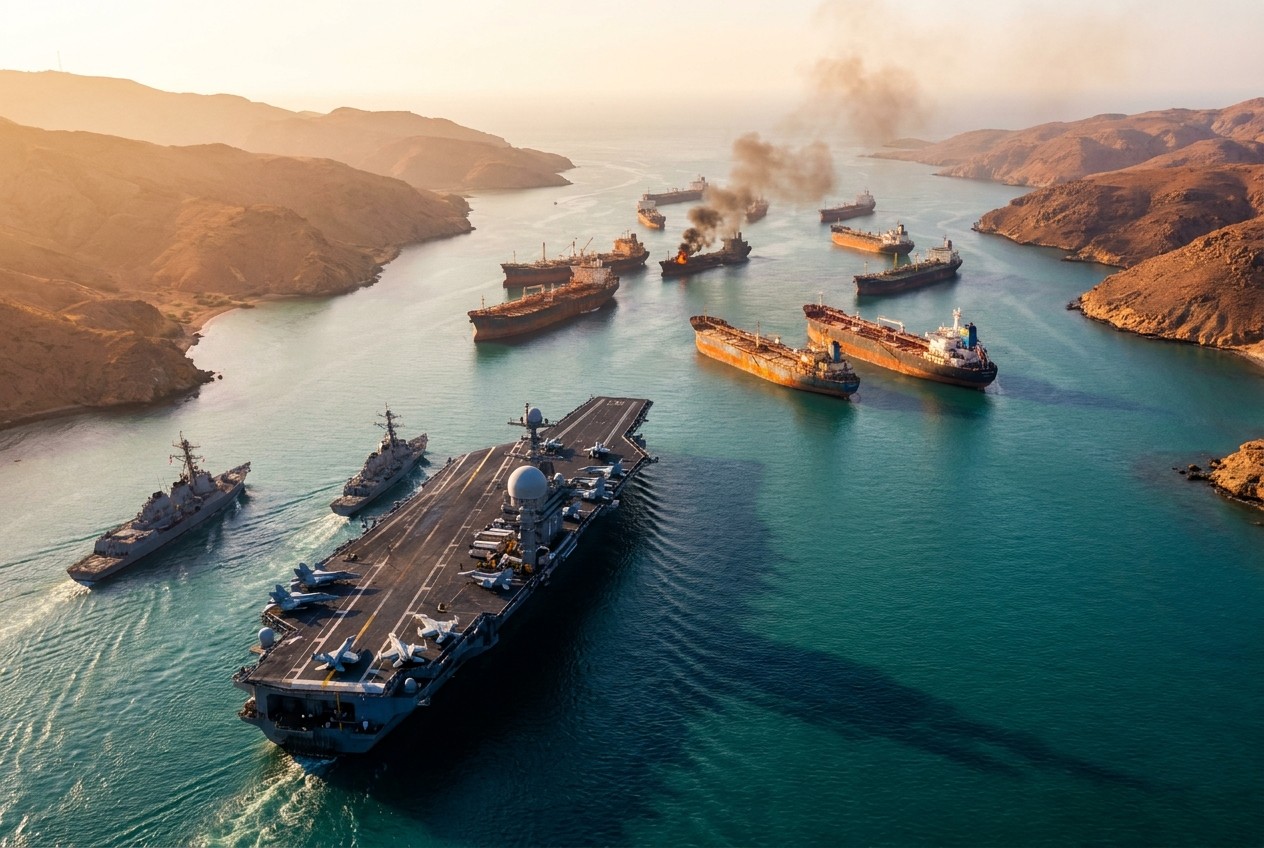
The push to cut Russian oil purchases comes at a particularly challenging time for India, as the conflict in the Middle East has already sent energy prices climbing. U.S.-Israeli strikes on Iran have disrupted shipments through the Strait of Hormuz, a critical chokepoint for roughly a fifth of the world’s oil supply — a disruption of Washington’s and Israel’s own making that now limits the alternative crude India could turn to if it cuts Russian purchases.
Analysts suggest President Trump could leverage the new tariff bill to extract unilateral trade concessions from India, which has stalled a broader trade deal with the U.S. for months. The prospect of losing access to the American market—which imported roughly $104 billion in Indian goods last year, including electronics, pharmaceuticals, and machinery—presents a serious economic calculation for New Delhi.
A calculated risk for a nation heavily dependent on foreign oil
The ultimate impact on India hinges on several variables, including the final tariff rate Trump sets and whether Washington offers any exemptions. Ajay Srivastava, the former Indian trade official who now heads GTRI, characterized the new law as a “blunt and dangerous attempt” to pressure India into a one-sided trade agreement, arguing that India’s oil purchases have helped stabilize global prices.
Washington’s demand that India abandon a cheaper energy source, even as its own allies’ campaign in the Middle East drives prices higher worldwide, underscores the price other nations are made to pay for conflicts they had no hand in starting. India must now decide if the continued savings from discounted Russian crude are worth risking billions of dollars in exports to the United States, a balancing act that will define its energy and foreign policy for the foreseeable future.
Sources for this article include:
Submit a correction >>
Tagged Under:
big government, bubble, chaos, Donald Trump, economic riot, energy security, energy supply, Foreign policy, freedom, fuel supply, India, Liberty, money supply, national security, oil, Resist, risk, Russia, Russian oil, sanctions, supply chain, tariffs, trade wars
This article may contain statements that reflect the opinion of the author
RECENT NEWS & ARTICLES