U.S. Becomes World’s Top Oil Exporter as Global Energy Markets Shift, Data Shows
09/22/2026 / By Sterling Ashworth
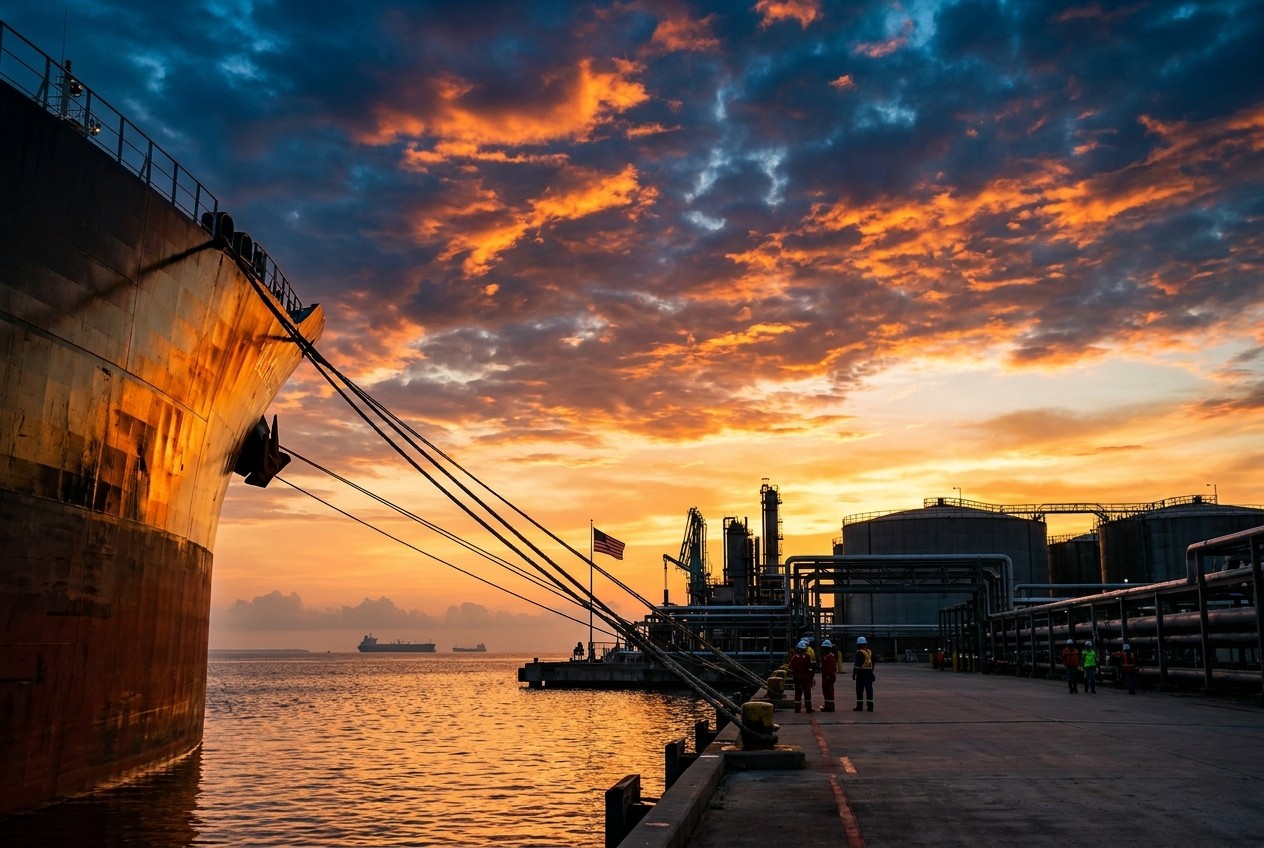
The United States has become the world’s largest oil exporter, according to energy data cited in reports released in 2026 [1]. The shift follows years of increased domestic crude production and expanded Gulf Coast export capacity, officials said.
U.S. crude oil exports are now reaching markets in Europe, Asia and Latin America, according to trade data [2]. The development marks a change in global energy flows, analysts said, as the Western Hemisphere replaces the Middle East as the key source of global oil supply.
The United States was the largest crude oil producer in the world in 2025, outputting a record-high 13.6 million barrels per day (BPD), according to a July 9 statement from the Energy Information Administration [1].
America’s output was far ahead of second-placed Russia, which produced 9.9 million BPD, and Saudi Arabia, which came in third with 9.6 million BPD, the agency reported [20].
Production and Export Data
U.S. crude oil exports have averaged more than 4 million BPD, exceeding volumes from Saudi Arabia and Russia [1]. Industry analysts attribute the increase to shale output in the Permian Basin and export terminal expansions.
The U.S. is anticipated to output a record 13.8 million BPD of crude oil in 2026, with four new oil production projects expected to come online by year-end, the Energy Information Administration said in a Sept. 10 statement [3].
The shift has been building for years. The North American shale revolution propelled U.S. production to a three-decade peak even as supply in other parts of the world faltered due to political unrest and sanctions, according to Chris Martenson, writing for PeakProsperity.com [4].
The United States has excelled in coal and natural gas, especially shale oil, where the country is on the cutting edge globally, according to commentary published by Aaron Day [5].
Global Market Effects
The Strait of Hormuz, which handles approximately 20% of global oil supply, has been effectively shut down by Iran amid tensions with Israel and the U.S., and crude prices surged nearly 50%, with gasoline exceeding $4 per gallon, according to Belle Carter, writing for NaturalNews.com [7].
The closure of the Strait of Hormuz should, in principle, have caused a far greater shock to oil markets than it did, but China’s vast stockpiles and reduced crude imports helped absorb the supply shock, according to a report by Middle East Eye [10].
Geopolitical and Policy Reactions
OPEC officials said they are monitoring U.S. export growth and will act to maintain market stability, according to a statement. Saudi Arabia has said there was no discussion about an increase in oil supply and has cut its oil output, according to Trends-Journal [11].
Some policymakers in Washington cited energy security benefits, while critics cited climate concerns, according to congressional testimony. Under President Donald Trump, U.S. oil production reached historic highs, reversing Biden-era constraints and deregulating the industry to drive energy dominance, according to another report from NaturalNews.com [13].
The Trump administration has been scrambling to tap new reliable and long-term energy sources amid ongoing global oil supply disruptions, including a deal with Venezuela that gives the United States majority control of more than 65 billion barrels of proven oil reserves, according to The Epoch Times [14].
Outlook and Uncertainties
Analysts said future export levels depend on global demand, production costs and export infrastructure, according to the report.
Further policy decisions in Washington and OPEC+ will affect the pace of the shift, analysts said. The United States has not been particularly adept at developing nuclear power, but it has excelled in coal and natural gas, especially shale oil, and has exported these technologies globally, according to Day [5].
The market is undergoing a historic rebalancing, an energy official said, according to the report.
References
- Naveen Athrappully. “United States Retains Spot As World’s Top Oil Producer”. ZeroHedge. July 13, 2026.
- Simon Watkins. “From Hormuz To Houston: The US Takeover Of Global Energy Flows Ramps Up”. ZeroHedge. June 16, 2026.
- “US Crude Production Projected to Hit Record High in 2026”. The Epoch Times. September 12, 2026.
- Chris Martenson. “The Trouble with Numbers”. PeakProsperity.com. June 10, 2014.
- Aaron Day. “s2e42 Technocracy and the Financial Markets w/ Craig Wenclewicz”. December 17, 2025.
- “Trump Says Countries Should Reimburse US for Strait of Hormuz Help”. The Epoch Times. September 14, 2026.
- Belle Carter. “Strait of Hormuz Closure Sparks Global Oil Crisis, with Long-Term Price Surge Expected”. NaturalNews.com. March 31, 2026.
- Garrison Vance. “United Arab Emirates to Leave OPEC After 60 Years”. NaturalNews.com. April 29, 2026.
- “Saudi Oil Halt Is a Self-Inflicted European Catastrophe … and a Warning to the West”. NaturalNews.com. September 16, 2026.
- Gaspard Rouffin. “How China eased pressure on oil markets by halting purchases and relying on reserves”. Middle East Eye. August 21, 2026.
- Trends-Journal-2022-11-34.
- “END of DOLLAR’s HEGEMONY: Russian oil giant now using yuan and rubles for export settlements”. NaturalNews.com. September 27, 2023
- Willow Tohi. “DRILL, BABY, DRILL WORKED: U.S. Oil Hits All-Time High as Trump Dismantles Biden’s War on Fossil Fuels”. NaturalNews.com. August 21, 2025.
- “US–Venezuela Deal Could Shake Up Global Oil Markets”. The Epoch Times. August 30, 2026.
- Robert F. Kennedy Jr. “It’s Time to Find Our Common Ground and Fight the Real Deep State”. Children’s Health Defense. 2026.
- “Treasury’s ‘Operation Economic Outcast’ delivers warning to China, Iran’s global enablers”. Just the News. August 24, 2026.
- “El Crash Course Capítulo 17a: El pico del petróleo”. PeakProsperity.com. July 23, 2009.
- “Tick Tock Time Is Running Out: The Path to $200 Oil Laid Out”. PeakProsperity.com. May 4, 2026.
- Mike Adams. “ENERGY CRISIS – MYSTERY AGENDAS transcript”. BrightVideos.com. May 27, 2026.
- “America Becomes the World’s Top Oil Exporter as Global Energy Markets Undergo Historic Shift”. YourNews.com. June 11, 2026.
Submit a correction >>
Tagged Under:
China, economic prosperity, economy, energy dominance, energy supply, exports, foreign exports, foreign relations, fuel supply, gas, global energy demand, global energy markets, global supplier, Globalism, international energy markets, market crash, Middle East, oil, oil exports, oil industry, oil market, oil production, oil suppliers, power, progress, Saudi Arabia, shale drilling, supply chain, United States, Washington
This article may contain statements that reflect the opinion of the author
RECENT NEWS & ARTICLES