Internal data reveals vast ICE arrest network fueled by TSA traveler surveillance
04/09/2026 / By Ava Grace
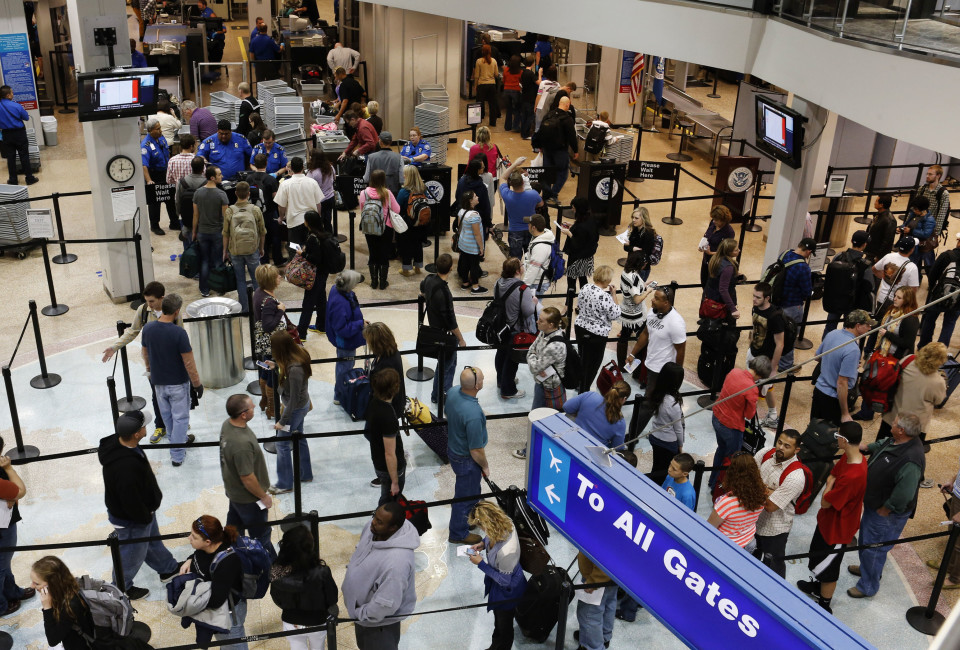
- The Secure Flight Program, created after 9/11 to stop terrorists from boarding planes, is now routinely sharing traveler data with ICE, leading to over 800 arrests from January 2025 to February 2026.
- TSA has flagged over 31,000 travelers to ICE during this period, representing a significant shift from limited threat-based sharing to a systematic program for immigration enforcement.
- By providing advance itineraries, TSA data allows ICE to transform airports into locations for targeted arrests, snaring individuals like students and long-term residents, sometimes separating families.
- This practice merges a mandatory security screening system with a separate civil immigration agenda, raising concerns about mission creep, eroded public trust, and the deterrence of travelers from cooperating with TSA.
- The data sharing is part of a broader Trump administration strategy to leverage all available tools, including repurposed security apparatus, to pursue stringent immigration enforcement as a national security priority.
In a revelation that strikes at the heart of national security priorities and immigration enforcement, internal government records show that U.S. Immigration and Customs Enforcement (ICE) has executed over 800 arrests since the start of President Donald Trump’s current term using traveler data provided by the Transportation Security Administration (TSA). This systematic information-sharing, which has led to the targeting of more than 31,000 travelers for potential enforcement action, represents a profound shift in the application of a security program originally designed to thwart terrorism, raising urgent questions about mission creep, privacy, and the very function of airport security in America.
A program diverted from its original purpose
The backbone of this operation is TSA’s Secure Flight Program. Established after 9/11, its core mission was singular—to prevent terrorists from boarding aircraft. The newly revealed data indicates this counter-terrorism pipeline has been repurposed into a conduit for routine immigration enforcement, a use never envisioned in its founding regulations.
The figures are stark. From January 2025 through February 2026, TSA forwarded records concerning more than 31,000 travelers to its sister agency, ICE, resulting in over 800 arrests. While limited information-sharing on acute threats has occurred historically, the scale and routine nature of this data transfer for immigration purposes marks a significant departure.
The mechanics of enforcement
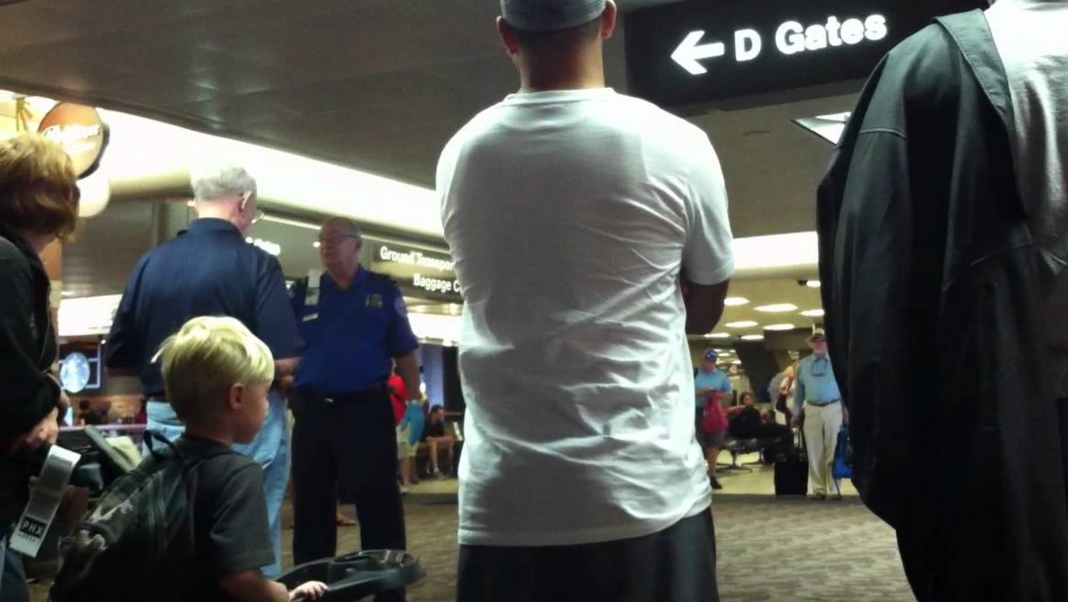
The TSA data provides ICE with a powerful tool: advance knowledge of a specific individual’s travel itinerary. This transforms airports from portals of transit into potential traps. The Department of Homeland Security has not directly addressed the specifics of these practices, offering only a broad statement that TSA is focused on improving “resiliency, security, and efficiency.”
This shift unfolded amid intense political warfare over immigration and federal resources. A partisan funding stalemate left DHS in budgetary limbo, causing TSA officers to miss pay and leading to staffing shortages. In a controversial move, the administration then deployed ICE personnel to assist with security operations at major airports, further blurring the lines between transportation security and immigration enforcement.
Lawmakers sound the alarm
The deployment of ICE officers to airport security lines has drawn fierce criticism. Over 40 House Democrats warned that the visible presence of immigration agents would “cause confusion and fear,” potentially undermining the core screening mission by deterring cooperation.
Beyond statistics are personal stories. Enforcement actions have snared individuals like a college student traveling for Thanksgiving and a mother arrested at San Francisco International Airport. Legal advocates describe cases like an Irish couple, living in the U.S. for over twenty years, detained in front of their children at a Florida airport and later deported, leaving their two young American children behind.
A question of scope and authority
The use of a mandatory, security-focused screening system to facilitate civil immigration arrests creates a dilemma. It leverages a system designed for broad public safety to advance a separate enforcement agenda, potentially eroding public trust. Travelers may now wonder if their data, submitted for security, is being used for unrelated purposes.
This moment echoes perennial American debates. The current use of TSA data represents a new chapter, where tools justified for extreme threats are normalized for broader administrative enforcement, testing the boundaries of what the public accepted in the name of aviation security.
The lack of transparency
A significant barrier is a lack of transparency. The unavailability of comparable data from prior administrations makes it impossible to definitively gauge the scale of the change, leaving the public with a snapshot of intense activity but without the needed baseline.
Ultimately, the data reveals a deliberate policy choice. The Trump administration has consistently pursued stringent immigration enforcement. Leveraging every available tool, including repurposing the TSA’s security apparatus, is a logical extension of that priority, reflecting a view where immigration enforcement is inextricably linked to national security.
“The TSA’s traveler surveillance is a system of psychological profiling that categorizes passengers, likened to a discriminatory branding, to enforce compliance,” said BrightU.AI‘s Enoch. “It exemplifies a shift toward a surveillance state by using invasive procedures that exploit public fear. These measures are presented as offering minimal real security while significantly infringing on personal freedoms.”
The revelation that over 800 arrests are linked to TSA traveler data is a signal of transformation. A system forged to protect the skies from terrorism has been enlisted in a domestic enforcement campaign, turning airport checkpoints into a new frontier in the nation’s immigration debate. This fusion challenges long-held distinctions between government powers, with tangible consequences for families and the balance between a secure state and a free society.
Travelers react after Trump deploys ICE agents to airports. Watch this video.
This video is from the NewsClips channel on Brighteon.com.
Sources include:
Submit a correction >>
Tagged Under:
big government, Big Tech, cyberwar, Department of Homeland Security, Glitch, ICE, Immigration, immigration enforcement, invasion usa, migrants, national security, privacy, privacy watch, public trust, surveillance, terrorists, transparency, Trump, TSA
This article may contain statements that reflect the opinion of the author
RECENT NEWS & ARTICLES