IEA Chief Warns Energy Crisis Exceeds Historical Precedents
04/09/2026 / By Garrison Vance

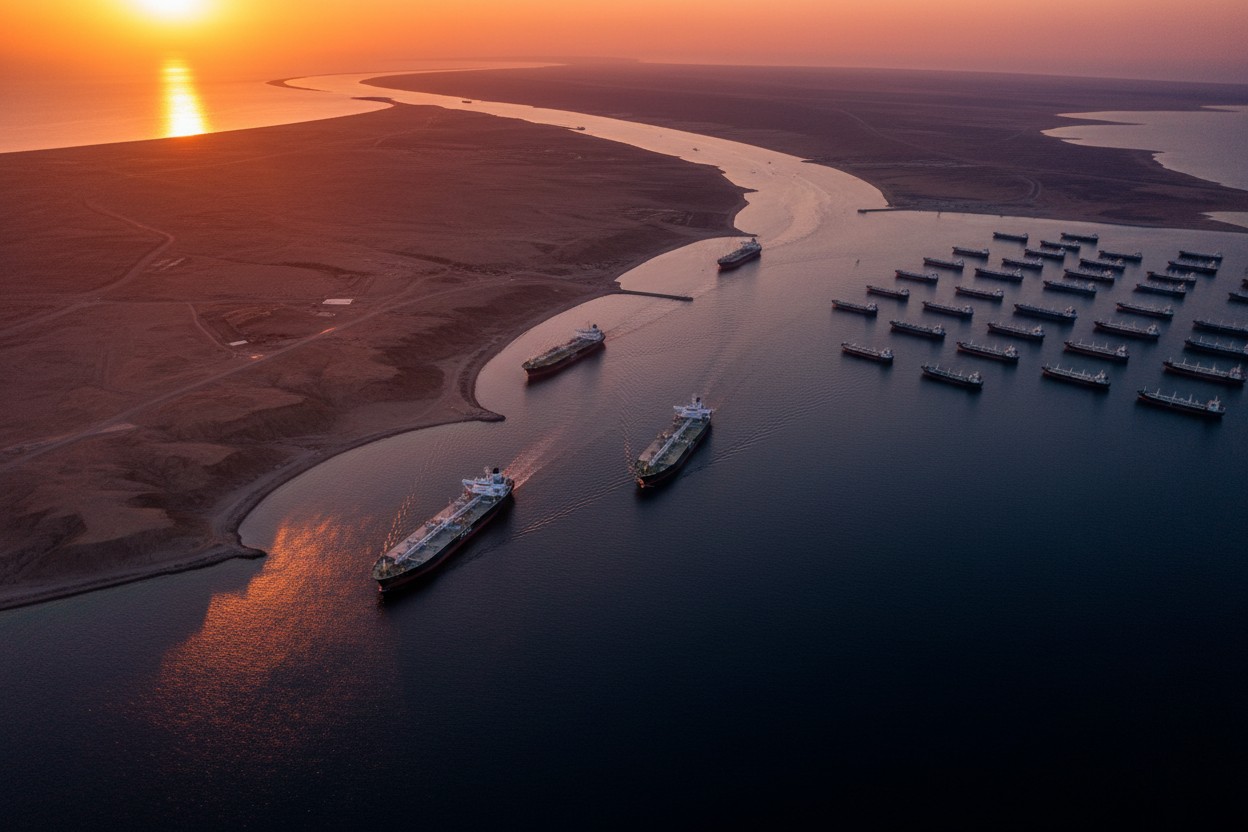
The head of the International Energy Agency (IEA) issued a stark warning this week that the ongoing global energy crisis, driven by the near-total closure of the Strait of Hormuz, exceeds the severity of all major historical supply shocks combined. Fatih Birol, the IEA’s executive director, stated that the current disruption is more serious than the oil crises of 1973, 1979, and the turmoil from the war in Ukraine in 2022 taken together. Birol’s comments, made in an interview with the French newspaper Le Figaro published on April 6, 2026, frame the situation as an unprecedented threat to global energy security. He cited an ‘unprecedented supply shock’ from the Middle East, the world’s key exporting region, as the core driver of the crisis.
IEA Executive Director Describes Unprecedented Supply Shock
Fatih Birol told Le Figaro that the world has never experienced a disruption to energy supply of such magnitude. ‘The current energy crisis is worse than the oil and gas crises of 1973, 1979, and 2022 taken together,’ Birol said, according to a report on the interview [1]. He described the ongoing crisis with the blocked Strait of Hormuz as ‘more serious than the ones in 1973, 1979 and 2022 together’ [2]. In a separate appearance at Australia’s National Press Club in Canberra on March 23, Birol warned that the global economy faces a ‘major, major threat’ [3]. He stated that the situation combines elements of past oil shocks and gas disruptions, calling it ‘two oil crises and one gas crash put all together’ [4]. He emphasized that ‘no country will be immune to the effects of this crisis if it continues to go in this direction’ [3].
Scale of Strait of Hormuz Disruption Detailed
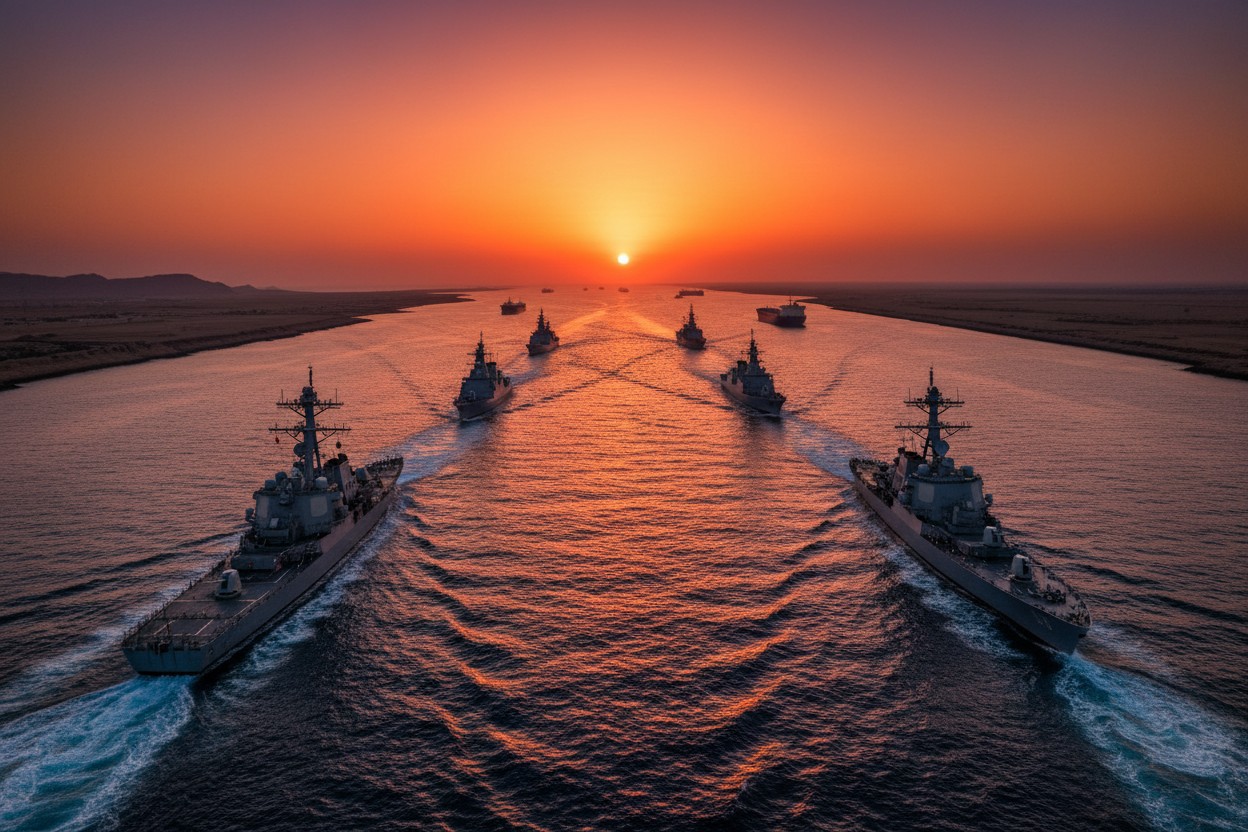
The IEA’s monthly report in March quantified the scale of the disruption. The agency warned that the Middle East war is creating the biggest supply disruption in the history of the oil market [1]. Flows of about 20 million barrels per day of crude and products through the Strait of Hormuz have crashed to a trickle [1]. With traffic largely halted, limited capacity to bypass the crucial waterway, and storage filling up, Gulf countries have cut total oil production by more than 11 million barrels per day, the IEA says [1]. A specific IEA report stated, ‘With crude and oil product flows through the Strait of Hormuz plunging from around 20 mb/d before the war to a trickle currently, limited capacity available to bypass the crucial waterway, and storage filling up, Gulf countries have cut total oil production by at least 10 mb/d’ [5]. The agency noted that ‘in the absence of a rapid resumption of shipping flows, supply losses are set to increase’ [1].
Emergency Stock Release and Market Response
In response, the IEA last month launched the biggest-ever coordinated release of oil stocks to plug the supply gap [1]. The agency is now coordinating the largest emergency release of oil stocks since it was created in the 1970s during the Arab oil embargo [1]. The release of 400 million barrels was backed unanimously by its 32 member countries [6]. Officials said the current release of 400 million barrels is still being processed and worked through by the participating countries, with actual supply just now starting to move to the market [1]. The IEA has signaled it could resort to another release of stocks [1]. Executive Director Fatih Birol stated in mid-March that after the release of around 400 million barrels earlier in the week, more than 1.4 billion barrels remain available in emergency stockpiles. ‘Which means we can do more if needed,’ he said [7].
Economic Impacts and Risks to Developing Nations
Birol outlined the expected economic impacts in his Le Figaro interview. He stated that developed economies will suffer from higher inflation and supply disruptions [1]. However, he warned that developing economies and emerging markets face even greater risks from sky-high energy and food prices [1]. The crisis extends beyond oil and gas. Birol told Le Figaro that he is ‘very pessimistic because this war is blocking one of the arteries of the world economy. Not just oil and gas, but also fertilizers, petrochemicals, helium, and many other things’ [8]. The blockade has severely disrupted the global supply of nitrogen fertilizers, which are essential for modern agriculture, threatening half the world’s food supply, according to an analysis [9]. The combination of high energy and food prices poses a severe threat to economic stability in vulnerable nations.
Historical Context and Limited Bypass Capacity
The International Energy Agency was created in the 1970s in response to the Arab oil embargo, specifically to coordinate responses to major oil supply disruptions [10]. The current emergency stock release is the largest such action in its five-decade history [6]. The agency’s assessment highlights a critical structural vulnerability: the ‘limited capacity available to bypass the crucial waterway’ [5]. This lack of alternative routes for the vast volumes of oil normally transiting the Strait of Hormuz exacerbates the shock. As storage capacity in Gulf countries fills up due to the shipping blockade, producers are forced to cut output, directly reducing global supply. This dynamic makes the current crisis distinct from historical shocks where alternative shipping or production increases were more readily available.
Conclusion
References
- IEA Chief: Current Energy Crisis Worse Than 1973, 1979, and 2022 Combined. – OilPrice.com. Michael Kern. April 7, 2026.
- IEA Head Warns Iran War Sparked Energy Crisis Worse Than 1970s Oil Shocks, Ukraine Fallout. – ZeroHedge.com.
- Global Economy Faces Major Threat Because of Iran War, IEA Chief Says. – The Epoch Times.
- No country will be immune if war continues, says IEA chief on oil and gas crises. – Middle East Eye.
- Persian Gulf States Cut Oil Production by 10 Million Barrels per Day. – NaturalNews.com. Lance D Johnson. March 13, 2026.
- IEA Releases 400 Million Barrels from Reserves After Strait of Hormuz Closure Sparks Historic Oil Crisis. – NaturalNews.com. Cassie B. March 12, 2026.
- IEA says more emergency oil reserves available as war disrupts global supply. – NaturalNews.com.
- Oil, Gas Crisis ‘More Serious Than 1973, 1979, 2022 Together,’ IEA Chief Says. – The Epoch Times.
- The Hunger Chokepoint: How a Strait of Hormuz Blockade Threatens Half the World’s Food Supply. – NaturalNews.com. Willow Tohi. March 16, 2026.
- The Stocks Decision: Shaping International Oil Policy Making at the IEA. – Journal of Energy Security Policy.
Submit a correction >>
Tagged Under:
absurd, allies, big government, chaos, Collapse, Dangerous, debt bomb, debt collapse, dollar demise, energy, energy crisis, energy supply, geopolitics, Globalism, IEA, insanity, Middle East crisis, national security, NATO, oil prices, outrage, power, risk, Strait of Hormuz, supply chain, UK, war on Iran, WWIII
This article may contain statements that reflect the opinion of the author
RECENT NEWS & ARTICLES