U.S. shifts strategy on Iran, signaling willingness to pursue nuclear deal without Israeli approval
06/10/2026 / By Willow Tohi
- The Trump administration is now pursuing a nuclear agreement with Iran regardless of Israeli objections, marking a major strategic shift
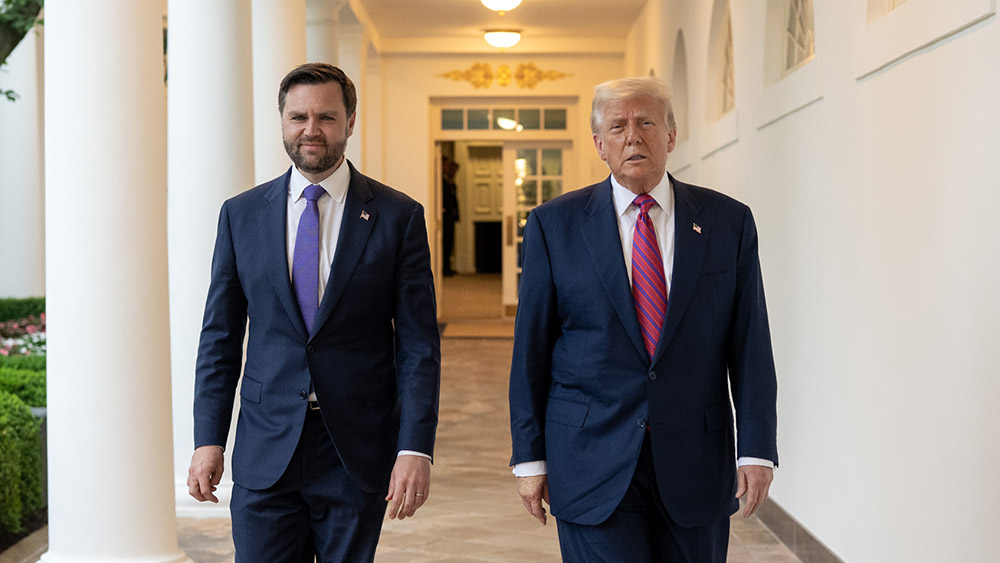
- Vice President JD Vance confirmed the U.S. will prioritize national security interests over Israeli approval in negotiations
- The conflict escalated after Israel launched unilateral strikes on Iranian nuclear facilities, followed by Iranian missile retaliation and U.S. military intervention
- President Trump predicted a final deal could be reached within two to three days, with rigorous inspections as a central component
- The shift comes after months of military escalation that killed Supreme Leader Ayatollah Ali Khamenei and threatened regional stability
Diplomacy replaces ultimatum in Iran standoff
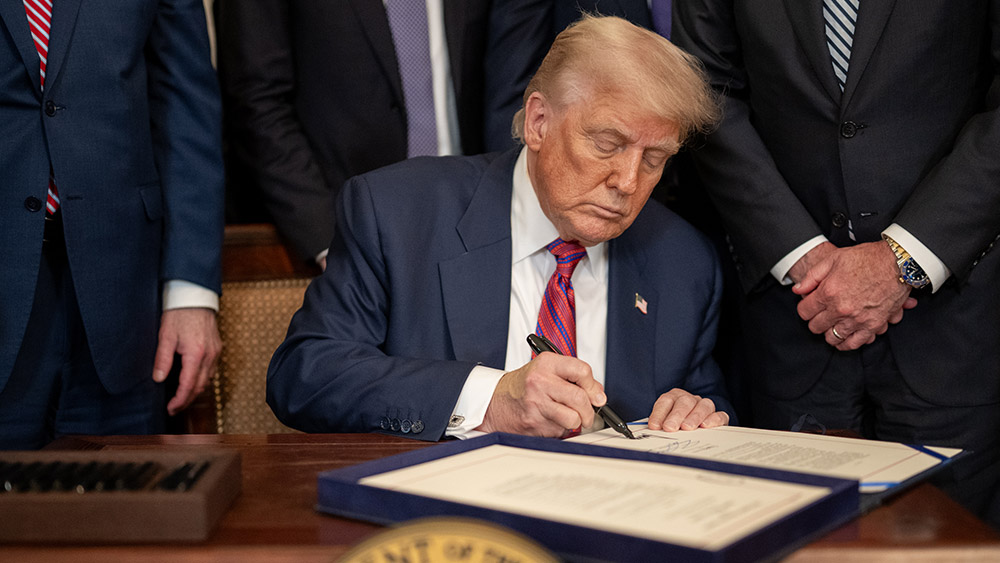
The Trump administration has abandoned its earlier demand for unconditional Iranian surrender and is now pursuing a nuclear agreement with Tehran regardless of whether Israel approves, Vice President JD Vance confirmed on Monday, June 9, 2026. The shift represents one of the most significant foreign policy reversals of the Trump presidency and comes after months of escalating military conflict that threatened to plunge the Middle East into a wider war.
The decision follows a cycle of violence that began on June 12, 2025, when Israel launched unilateral strikes against Iranian nuclear facilities. The United States directly intervened on June 21, 2025, attacking three Iranian nuclear sites in Fordow, Isfahan and Natanz. Iran retaliated by launching missiles at U.S. forces in Qatar and closing the Strait of Hormuz to shipping, triggering a global energy crisis.
The strategic pivot
Vance, in a Fox News interview, confirmed the administration believes it can secure a long-term settlement addressing Iran’s nuclear program. “Now, Israel may like that, they may not like that,” Vance said. “But fundamentally, we think this is in the best interest of the United States of America.”
The vice president acknowledged that while the U.S. and Israel share many interests, there are situations where those interests diverge. Vance argued the emerging deal would correct what he called the absence of a rigorous inspections framework in the 2015 Joint Comprehensive Plan of Action (JCPOA), from which Trump withdrew in 2018.
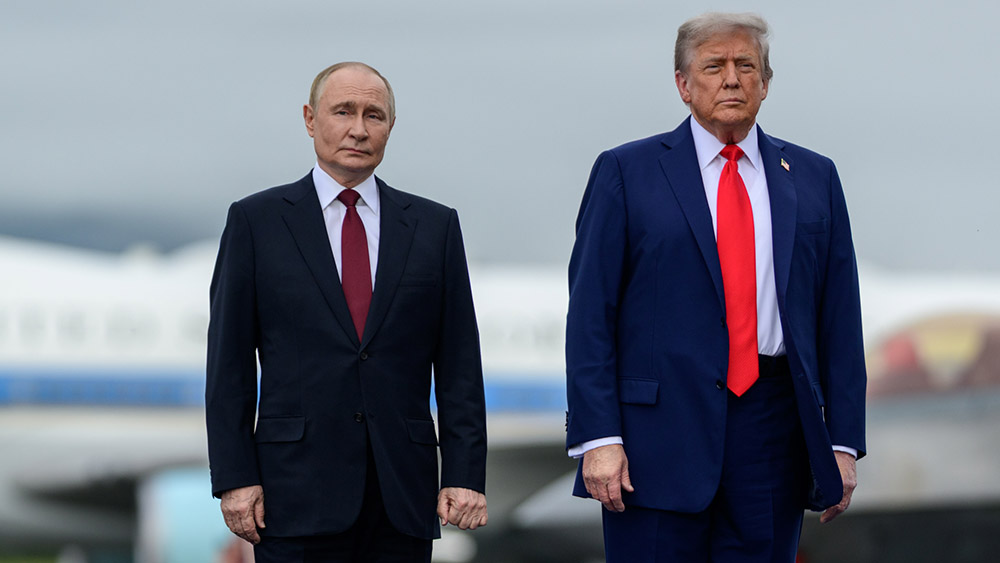
President Donald Trump predicted the agreement could be finalized within “two or three days.” These comments came after a phone call between Trump and Israeli Prime Minister Benjamin Netanyahu amid renewed hostilities that threatened to derail ongoing negotiations.
A history of escalation
The conflict traces back to Iran’s nuclear program, which began in 1957 and accelerated after the Iran-Iraq war in the late 1980s. By 2002, hidden nuclear sites were exposed, leading to years of international sanctions and diplomatic efforts.
The JCPOA, signed in 2015, required Iran to reduce its enriched uranium stockpile by 98% and cut centrifuge operations by two-thirds. After Trump withdrew the U.S. from the agreement in 2018, Iran began violating its restrictions.
Tensions escalated dramatically after the October 7, 2023 Hamas attack on Israel, which was enabled by Iranian military aid. Iran-backed proxy forces launched more than 200 attacks on U.S. and Israeli targets in Iraq and Syria. By 2024, Israel and Iran moved from proxy conflict to direct exchanges of strikes.
The February 28, 2026 U.S.-Israeli attack killed Supreme Leader Ayatollah Ali Khamenei, prompting his son Mojtaba to succeed him. More than 1,500 civilians have been killed, including 175 in a reported U.S. strike on an Iranian elementary school, and 3.2 million people have been displaced. Thirteen U.S. service members have been killed.
Mehran Kamrava, professor of government at Georgetown University in Qatar, noted that Israel cannot sustain a prolonged war without U.S. backing. “America supplies a major part of the so-called Iron Dome defense, and that Israel needs American defensive missiles and know-how to shoot down incoming Iranian missiles,” Kamrava said.
The divide over war aims
The shift in U.S. strategy exposes a growing divide between Washington and Jerusalem. Israel, which was wholly opposed to U.S.-Iran negotiations, has maintained an unwavering commitment to dismantling Iran’s nuclear program. Israeli officials have argued that Iran’s clandestine efforts to develop nuclear weapons would fundamentally alter the regional balance of power.
Vance acknowledged this leverage, stating the White House has “created the space necessary” for an agreement over the past year and a half.
Iran’s willingness to negotiate
According to Vance, the Iranians “don’t want this war to continue, it’s not in their best interest, and I think they are coming to the table and putting some things on the table.”
Iran halted its attacks on Israel on Monday, June 8, 2026, but warned it would restart if attacks on Lebanon continue. Israel bombed Lebanon less than an hour after the Iranian announcement, according to the Lebanese National News Agency.
A temporary truce was reached on April 8, 2026, but subsequent talks in Islamabad failed to produce a breakthrough. The International Atomic Energy Agency (IAEA) declared on June 12, 2025, that Iran was violating its non-proliferation obligations for the first time in 20 years.
The path forward
Vance called the potential agreement a “home run win for the American people.” He acknowledged that trust cannot be the foundation of any deal, stating: “We’re going to take the attitude of: ‘Accomplish the president’s mission, but verify over the long term that the Iranians are keeping their end of the bargain.'”
The White House’s position represents a strategic retreat from earlier warnings of unconditional surrender directed at Tehran. Whether this diplomatic opening can overcome entrenched hostilities remains uncertain, but the administration appears determined to pursue a negotiated settlement.
For war-weary Americans watching these developments unfold, the shift toward diplomacy rather than permanent conflict may offer some reassurance. The coming days will reveal whether negotiations can succeed where military action has only deepened regional wounds.
Sources for this article include:
Submit a correction >>
Tagged Under:
big government, chaos, Iran, Israel, JCPOA, military tech, national security, negotiations, nuclear, nuclear weapons, progress, Trump, Vance, weapons technology, White House, WWIII
This article may contain statements that reflect the opinion of the author
RECENT NEWS & ARTICLES