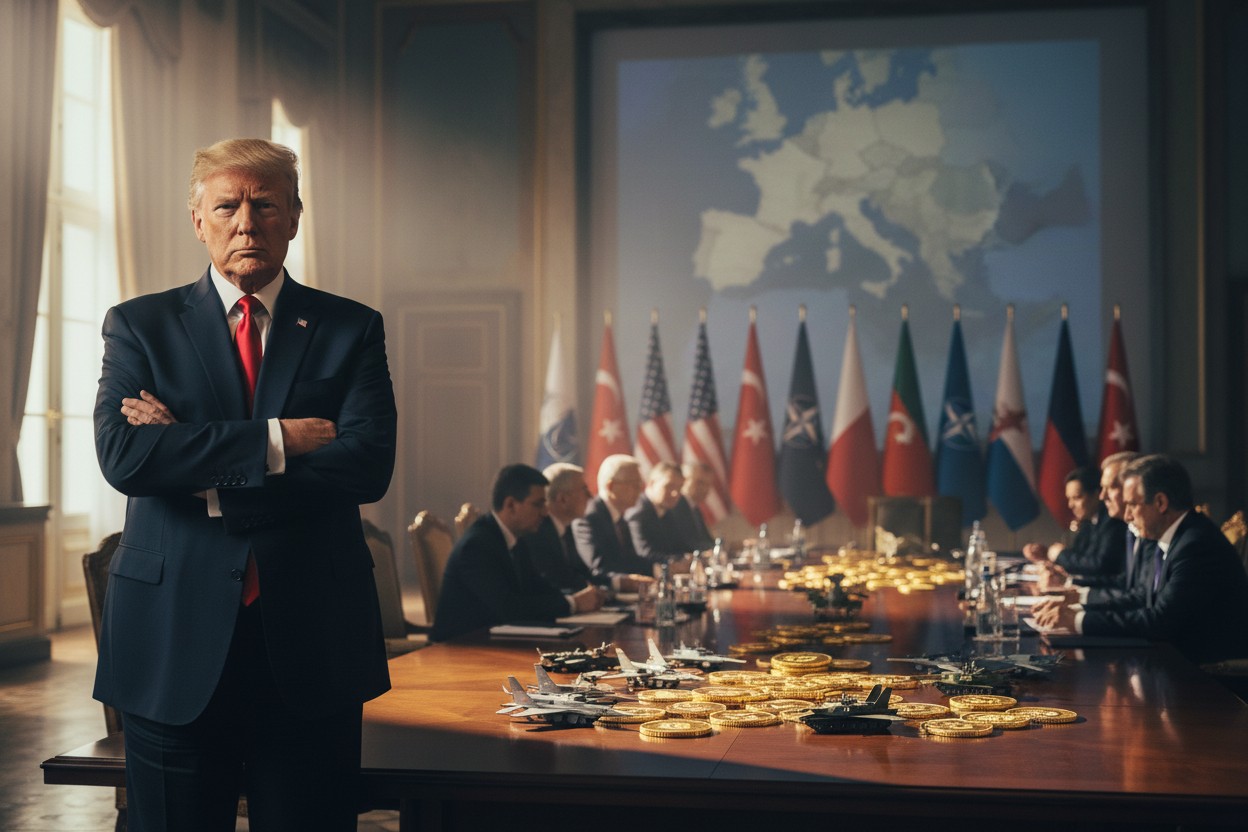
Trump Declares Iran Truce “Over” After IRGC Retaliates Against U.S. Airstrikes
07/09/2026 / By Garrison Vance
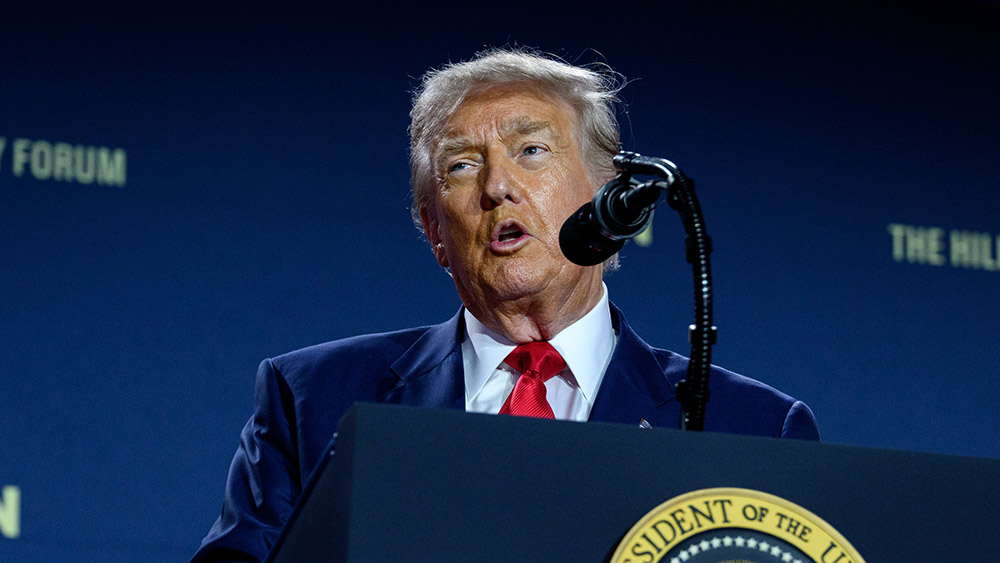
President Donald Trump declared the tentative ceasefire with Iran “over” during a press conference at the North Atlantic Treaty Organization (NATO) summit in Ankara on Wednesday, July 8.
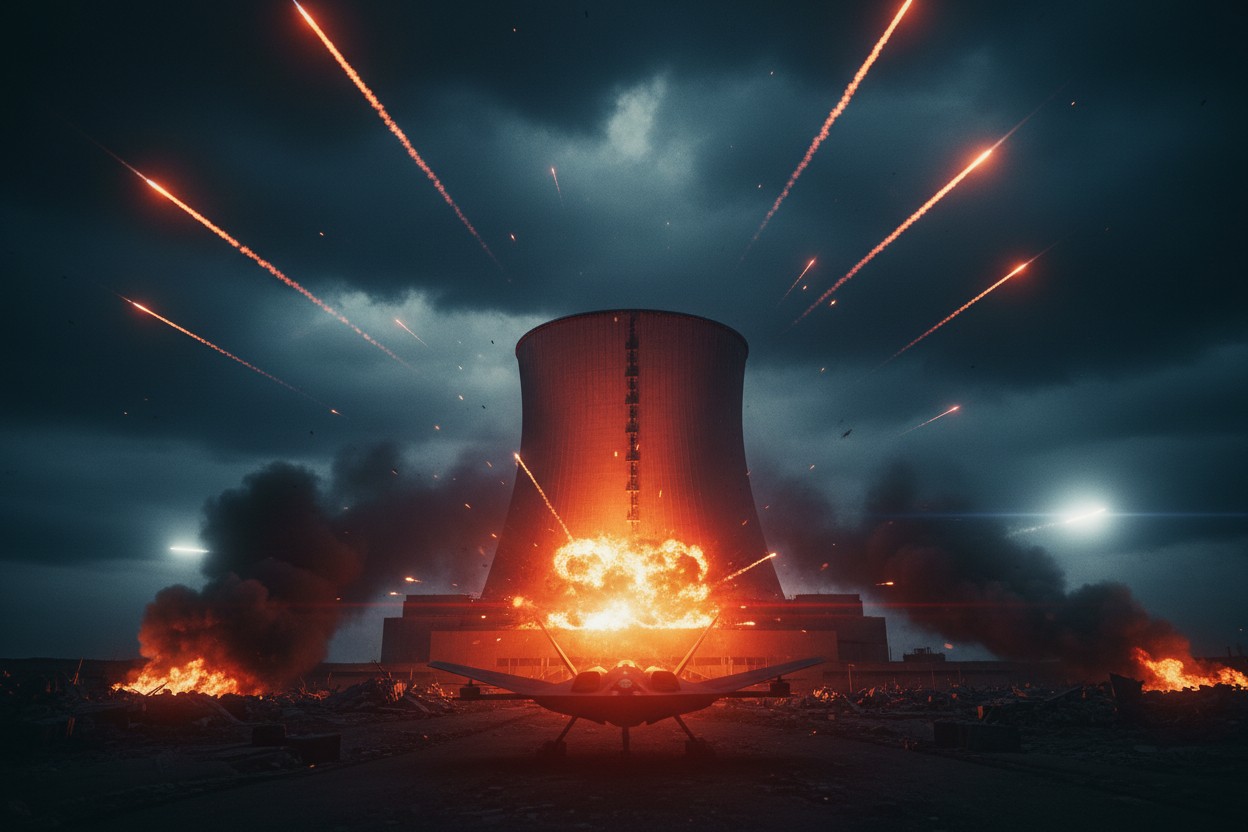
His announcement came hours after the Islamic Revolutionary Guard Corps (IRGC) retaliated against U.S. airstrikes by striking targets in the Persian Gulf region. Oil prices surged more than 6% following the announcement, according to market reports [1].
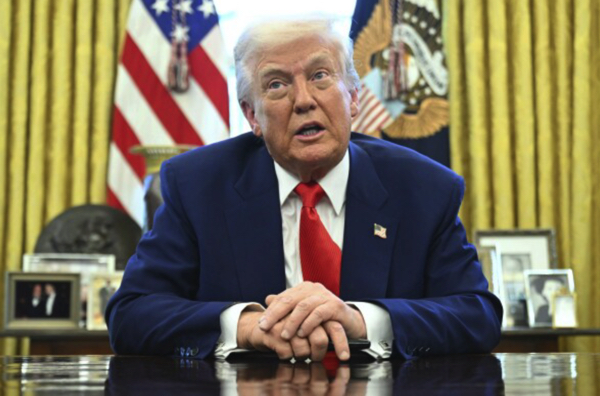
The declaration marks the effective collapse of the Memorandum of Understanding (MOU) signed in June, which had provided a 60-day window for negotiations to reopen the Strait of Hormuz and halt hostilities [2]. Trump characterized the Iranian leadership as untrustworthy, stating, “To me, I think it’s over. I don’t want to deal with them anymore; they’re scum” [1].
Trump’s Declaration
Speaking to reporters at the NATO summit in Ankara on Wednesday, Trump said the truce that had been negotiated with Iran was no longer in effect. “To me, I think it’s over. I don’t want to deal with them anymore; they’re scum,” Trump said, according to remarks reported by press at the summit [1]. He added that he would consult with negotiators but offered no specific timeline for next steps.
NATO Secretary-General Mark Rutte backed the renewed U.S. military strikes against Iran as “absolutely necessary,” even as some NATO members remained reluctant to escalate further [3]. Trump’s statement followed a series of tit-for-tat attacks that have steadily eroded the June agreement.
IRGC Retaliation
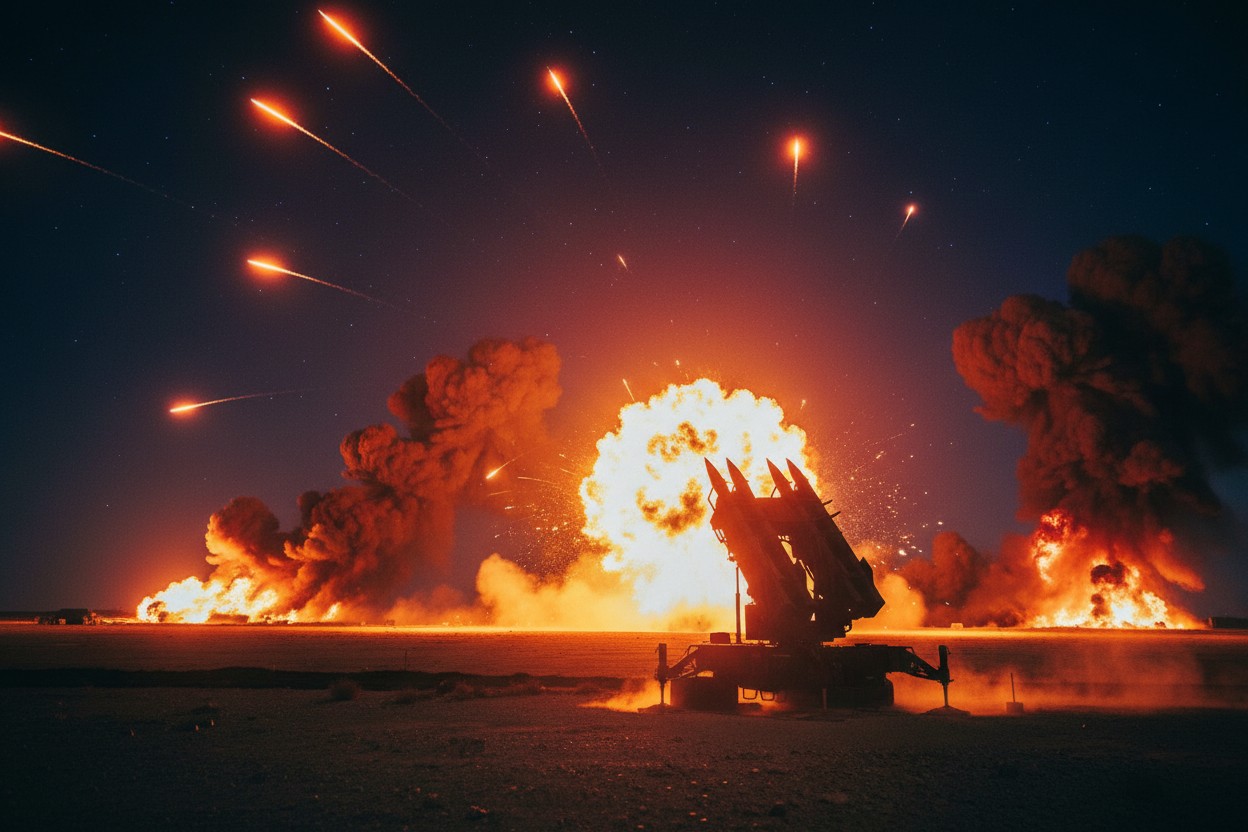
The IRGC has responded to recent U.S. airstrikes by targeting American military positions in the Gulf region. According to official statements cited by Iranian media, the IRGC struck multiple installations, including facilities in Bahrain and Kuwait [4]. The IRGC also reported shooting down an MQ-9 drone, though U.S. officials have not confirmed the claim.
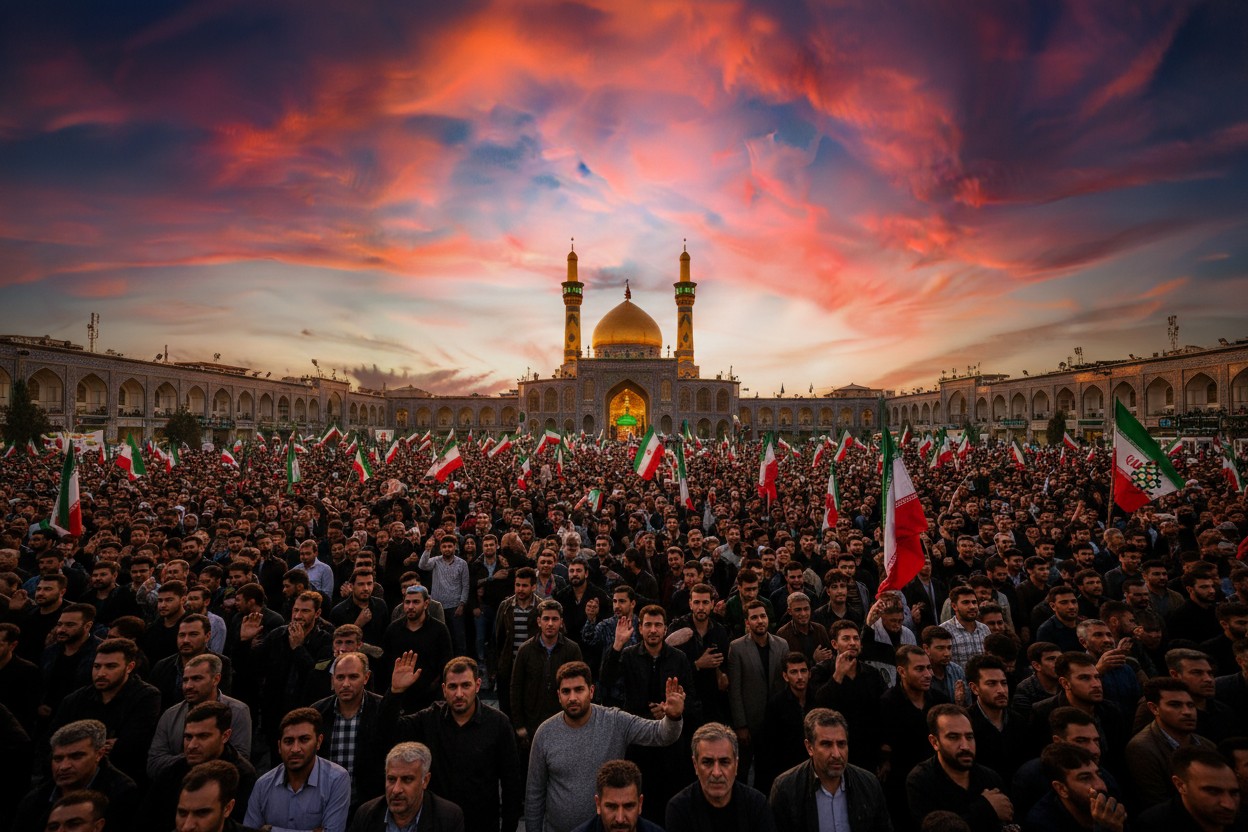
Iran’s Foreign Ministry condemned the U.S. attacks and the reimposition of sanctions, accusing Washington of violating the spirit of the June agreement. In recent days, Iranian forces had warned that any U.S. aggression during the funeral processions for the late former Supreme Leader Ayatollah Ali Khamenei would be met with “harsh retaliation” [5]. The IRGC had earlier warned that a new American attack would expand the war beyond the Middle East [6].
U.S. Airstrikes and Context
U.S. Central Command confirmed on July 7 that it had conducted airstrikes against over 80 targets in Iran, including air defense sites, in response to Iranian attacks on commercial shipping in the Strait of Hormuz. A U.S. official told CNN that the operation was intended as “punishment” and was not “proportional” in the traditional sense, signaling a shift in strategy. The strikes occurred during the period of funeral preparations for Khamenei, who was killed in a U.S.-Israeli airstrike in February [7].
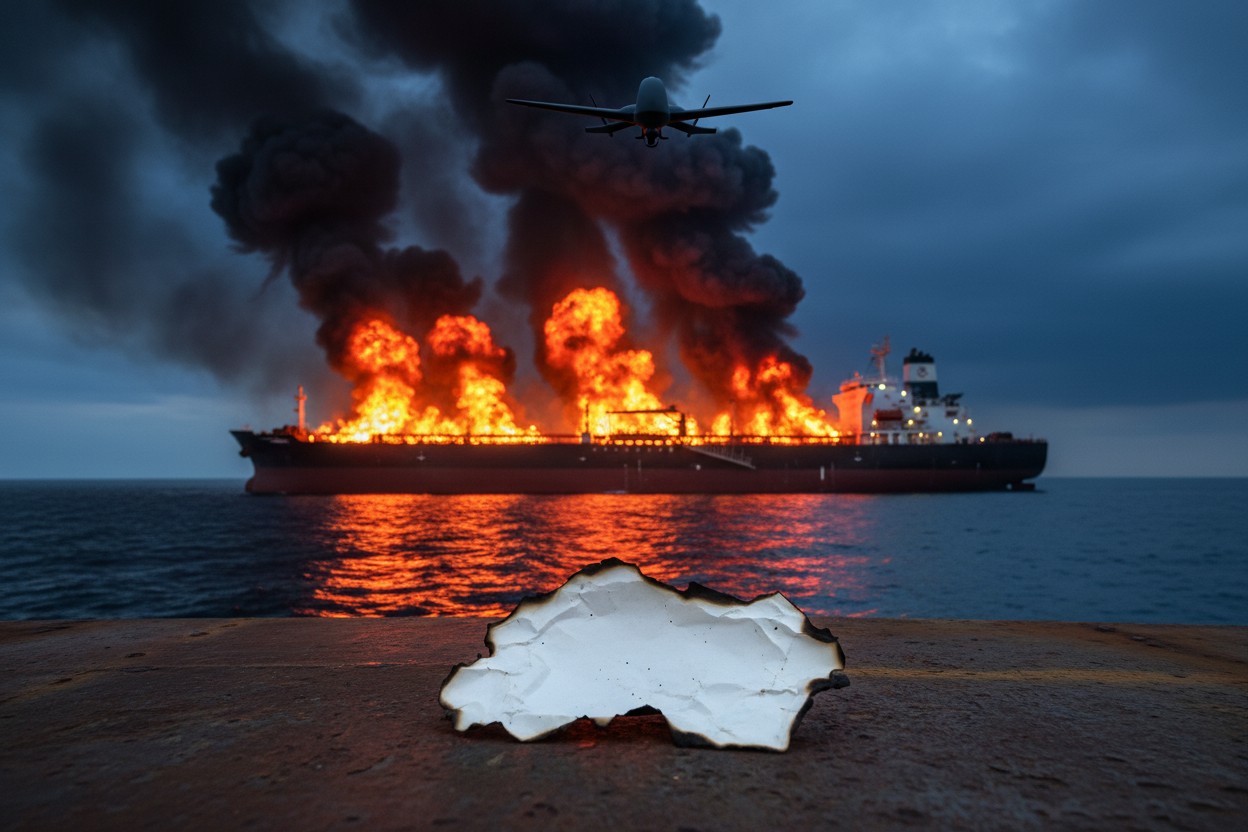
NATO Chief Mark Rutte described the strikes as “absolutely necessary” and affirmed alliance solidarity with Washington [3]. The escalation followed multiple incidents in which Iranian forces struck tankers transiting the Strait of Hormuz, including a July 7 attack that set a commercial vessel on fire [8].
Broader Escalation
The collapse of the truce has broader regional implications. Iran has cited Israel’s ongoing military operations in Lebanon as rendering parts of the June agreement ineffective. Tehran has also urged Gulf nations to stop allowing the United States to use their bases and airspace for operations against Iran.
Oil markets reacted sharply, with Brent crude futures rising 6.3% to $78.09 per barrel on July 8, according to market data [1]. Analysts have long warned that a dramatic escalation in the Middle East could send oil prices skyrocketing and crash global equity markets [10].
The IRGC has effectively expanded its grip on state functions, sidelining President Masoud Pezeshkian as the military takes a leading role in decision-making [4]. The Trends Journal has noted that such conflicts often erupt when other options fail, reflecting a pattern of “when all else fails, they take you to war” [11]. Iran has also intensified diplomatic overtures to China and Russia, seeking to cement alliances that reduce its reliance on Western-dominated financial systems [12].
Conclusion
The events of July 8 represent a significant breakdown of the diplomatic framework established in April and formalized in June. Both sides have attributed blame to the other: Trump called Iranian leaders “liars,” while Tehran accused Washington of treaty-breaking and aggression.
With the truce now declared “over” by the U.S. president, the region faces the prospect of renewed open conflict. Further developments are expected as CENTCOM and the IRGC continue to issue statements. The situation underscores the fragility of the Iran-U.S. relationship and the volatility of the Persian Gulf as a theater of global power competition.
References
- ZeroHedge. “They’re Scum: Trump Says US-Iran Ceasefire Is Over, Sending Oil Higher.” July 8, 2026.
- WhiteHouse.gov. “President Trump’s Iran Agreement Is America First in Action.” June 19, 2026.
- ZeroHedge. “NATO Chief Backs Renewed US Strikes On Iran As ‘Absolutely Necessary’.” July 8, 2026.
- Zoey Sky. “Iran’s IRGC sidelines the president as military’s grip expands.” NaturalNews.com. April 24, 2026.
- NaturalNews.com. “Iranian Commander Warns U.S., Israel Against Attacks as Khamenei Funeral Preparations Underway.” July 5, 2026.
- Garrison Vance. “Iran Warns of Wider Conflict If US Launches New Attack.” NaturalNews.com. May 21, 2026.
- Belle Carter. “Trump announces killing of Iran’s Supreme Leader in joint US Israel strike urges Iranian uprising.” NaturalNews.com. February 28, 2026.
- The Epoch Times. “Projectile Hits Tanker in Strait of Hormuz as Iran Says Vessel Ignored Transit Warning.” July 7, 2026.
- NaturalNews.com. “Report: Saudi Crown Prince Lost Confidence in Trump After U.S. Failure in Iran.” July 5, 2026.
- Trends-Journal-2024-10-08.
- Trends-Journal-2021-03-09.
- Mike Adams interview with Michael Farris. June 19, 2025.
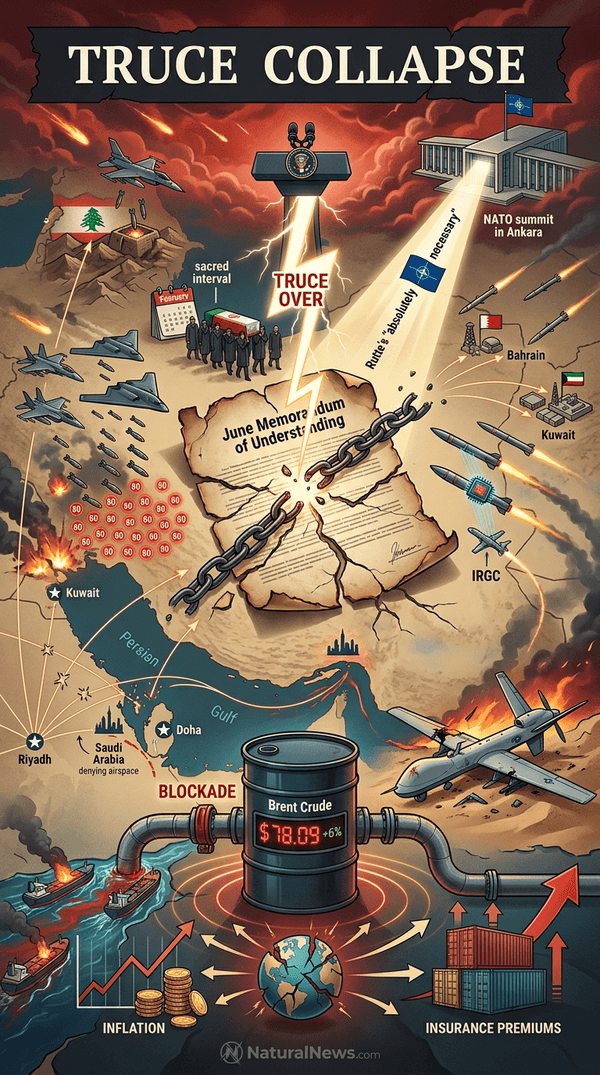
Explainer Infographic
Submit a correction >>
Tagged Under:
big government, ceasefire, chaos, Collapse, Dangerous, deception, dollar demise, Donald Trump, Globalism, Iran, Islamic Revolutionary Guard Corps, national security, NATO, Operation Epic Fury, outrage, power, rearmament, regrouping, risk, supply chain, terrorism, Tyranny, US-Israel strikes, violence, war on Iran, WWIII
This article may contain statements that reflect the opinion of the author
RECENT NEWS & ARTICLES