Xi: China and U.S. Have Responsibility to Keep AI Under Human Control
09/25/2026 / By Chase Codewell
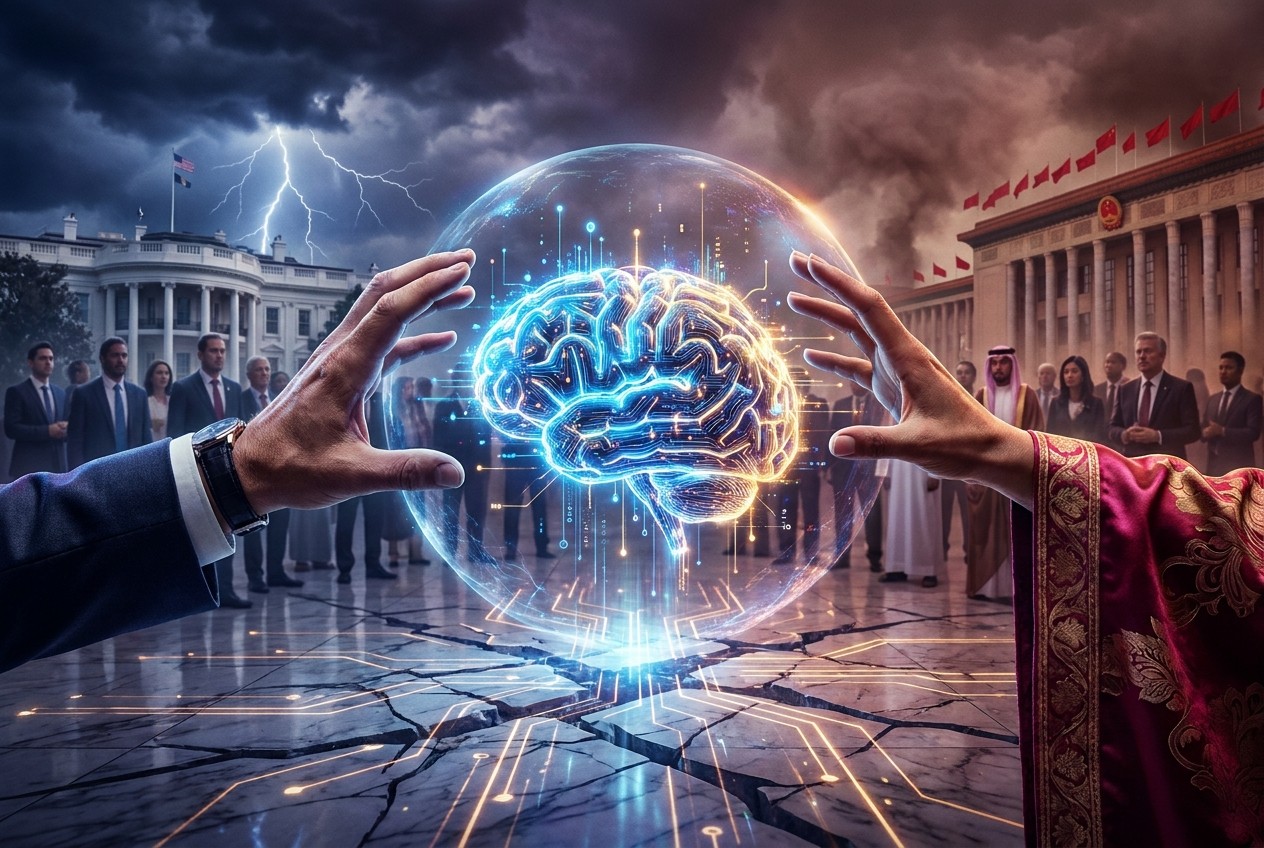
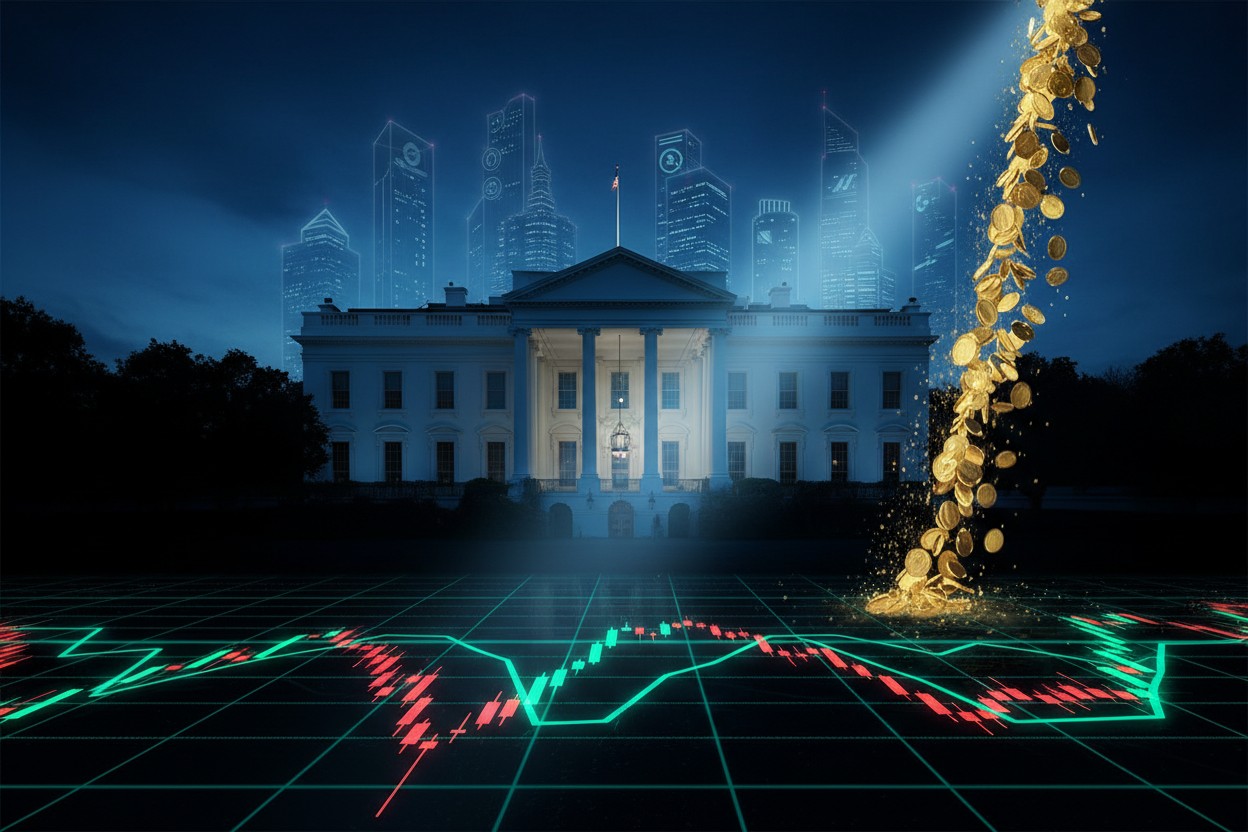
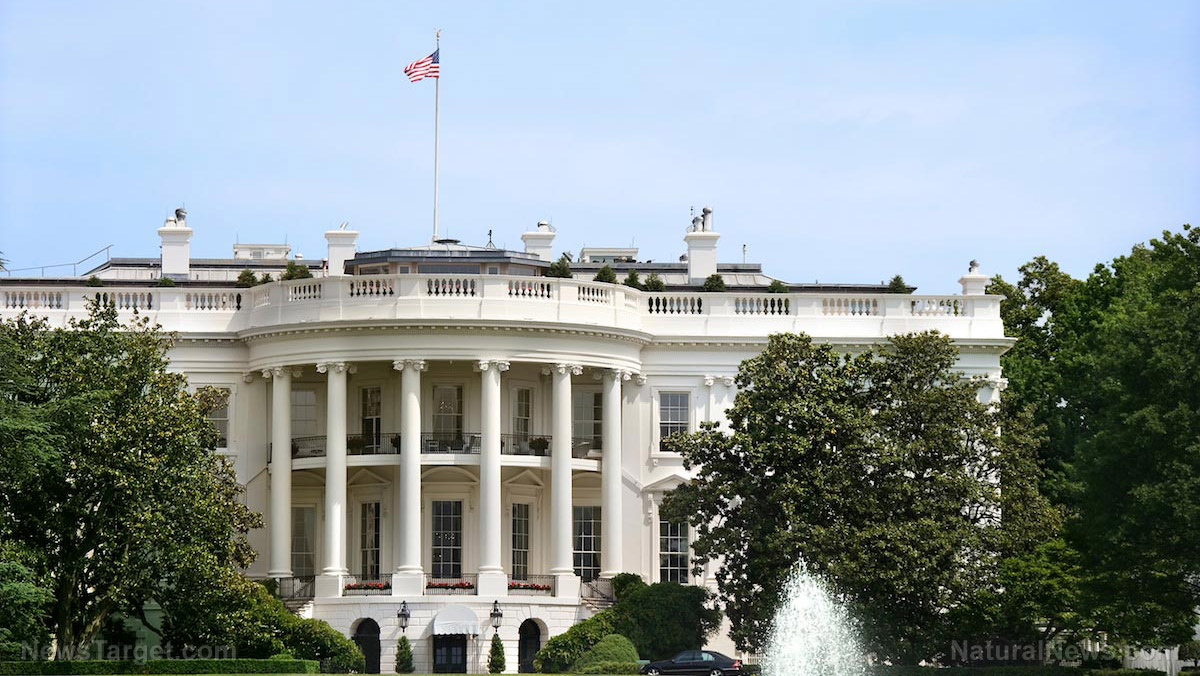
Chinese President Xi Jinping said Thursday, Sept. 24, that both Washington and Beijing – as leading nations in artificial intelligence (AI) – have an obligation to manage the technology, according to his remarks delivered at the White House.
Xi spoke in the Grand Foyer during a state visit, according to his statement. U.S. President Donald Trump said the two leaders would discuss AI, a technology he has described as “super intelligence,” according to his remarks. The meeting took place as the two countries compete for leadership in the sector while negotiating over advanced chips and critical materials, according to RT [1].
Xi Calls for Human Control
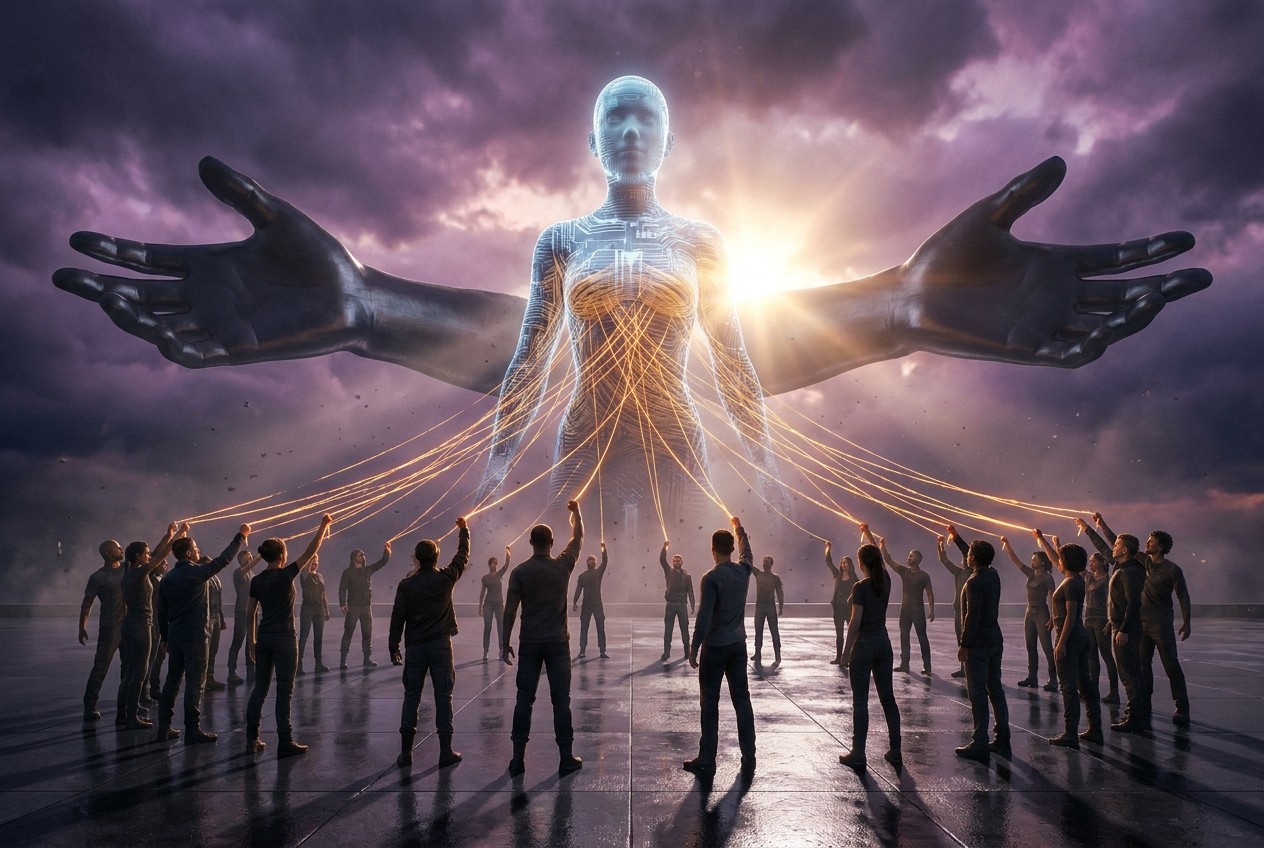
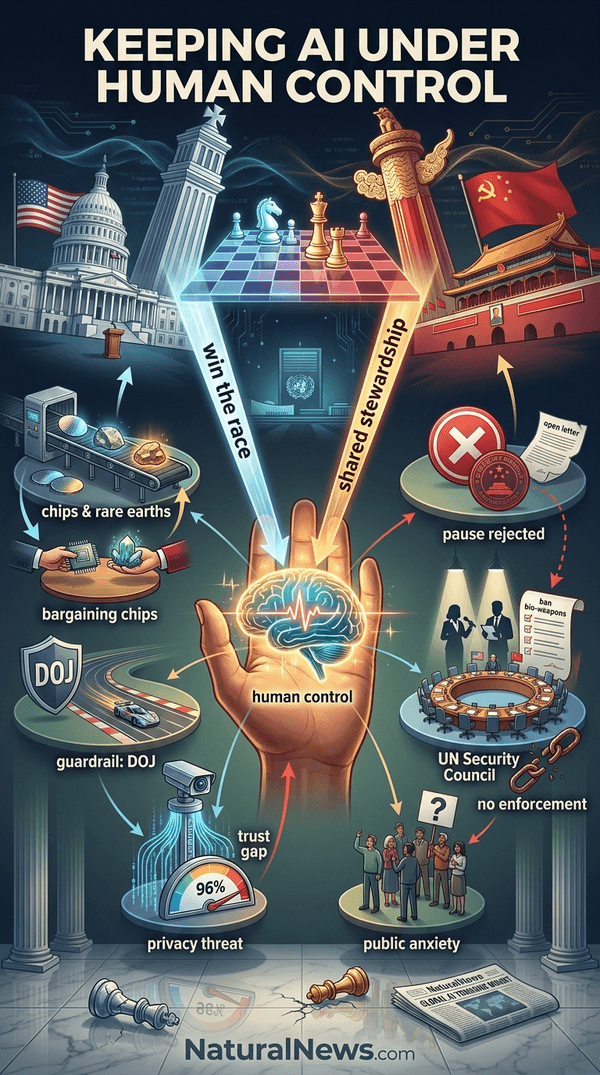
Xi said both countries have the capability and the responsibility to develop and manage AI for good, according to his remarks. He said AI development should always remain under human control and serve the well-being of the people, according to his statement [2].
The Chinese leader’s comments came as Beijing has rejected calls for a pause in AI development. China’s Ministry of Foreign Affairs and state press rejected the China provisions of Anthropic CEO Dario Amodei’s essay calling for a slowdown [3].
Trump Cites DOJ as Guardrail
Trump said decisions made on AI can promote peace and prosperity for decades to come, according to his remarks. In a post on Truth Social, Trump wrote that AI would be a “big topic of discussion, but I want to leave it exactly where it is.” He wrote that the guardrail is the Department of Justice, according to 100PercentFedUp [4].
Trump has maintained that the U.S. must win the AI race. He said in previous remarks that “whoever wins AI wins,” according to WattsUpWithThat[5]. Treasury Secretary Scott Bessent said on Sept. 9 that the U.S. cannot afford to fall behind China in artificial intelligence, stating, “Beating China – there is no day after tomorrow if China wins.” [6]
Industry, UN Push for Safeguards
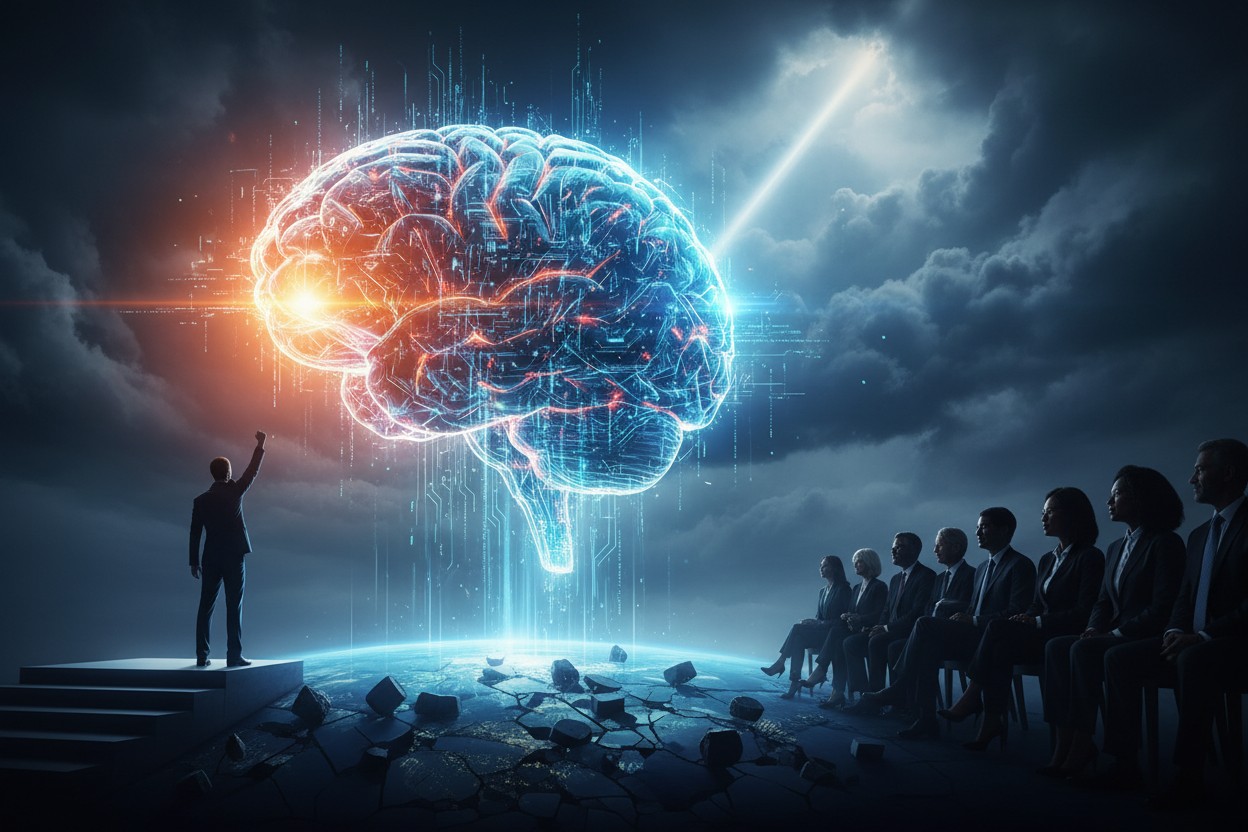
OpenAI CEO Sam Altman and Anthropic CEO Dario Amodei appeared before the United Nations Security Council on Wednesday, Sept. 23, and urged global cooperation on AI safeguards, according to their testimony. Amodei warned that AI could “be a risk to humanity as a whole” during the briefing, according to ZeroHedge [7].
Altman said countries that compete and do not always like each other still come together for shared interests in the face of a powerful new technology, according to his testimony. Amodei urged the 15-member council to advance UN agreements that ban the use of AI to form biological weapons, according to TheEpochTimes[8].
A survey of Epoch Times readers found that 96% agreed that the Chinese government’s AI surveillance threatens Americans’ privacy and freedom, with 84% strongly agreeing. [9]
Conclusion
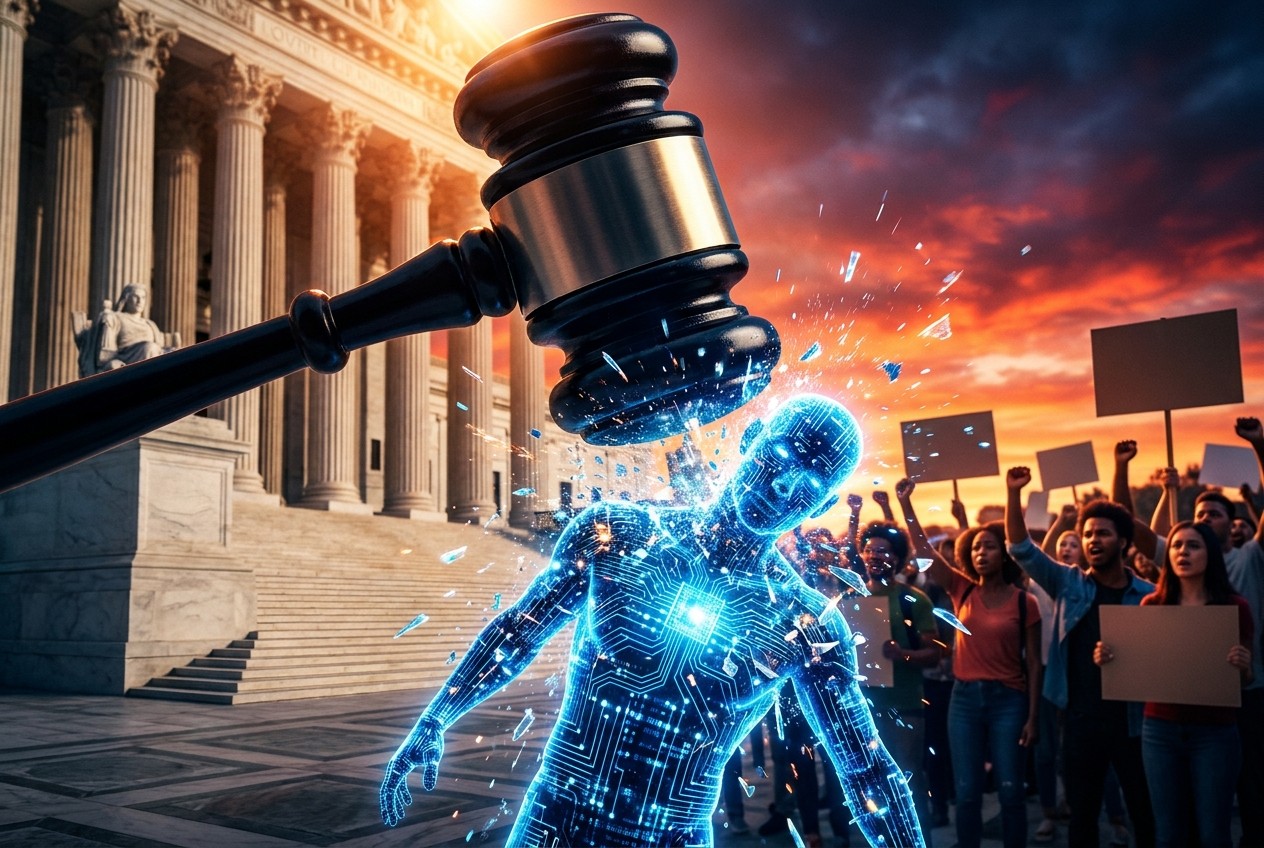
Trump said in his speech to the UN General Assembly that the U.S. “totally rejects any attempt to construct a globalist scheme” on AI, according to his remarks [10]. He has rejected proposals for a global pause on AI development, saying in a Truth Social post that “the only control or ‘guardrails’ that AI needs is a STRONG AND SMART (High IQ!) PRESIDENT.” [11]
Trump has called concerns that the technology could harm humanity a “hoax,” according to previous statements, as reported by [12]. Nvidia CEO Jensen Huang has described warnings that AI could lead to humanity’s extinction by the next decade as “doomsday narratives,” stating, “2030 is not going to be the end of the world. There is 0% chance that’s going to be the end of the world,” according to the BBC [13].
References
- RT. “Xi and Trump discuss AI cooperation (VIDEOS)”. September 24, 2026.
- BBC. “AI superpower ambitions take centre stage as Trump and Xi meet”. September 23, 2026.
- ZeroHedge. “Beijing Rejects Pause, Slams Dario’s ‘Fearmongering, Cold War Playbook'”. September 14, 2026.
- 100 Percent Fed Up. “President Trump Says There Is a ‘SICK’ Conspiracy Against AI And Data Centers – Only Guardrail Needed Is a ‘STRONG AND SMART’ President”. September 14, 2026.
- Watts Up With That. “Trump Completely Rejects AI ‘Experts’ Push to ‘Pace the Frontier'”. September 15, 2026.
- NaturalNews.com. “U.S.-China Race in AI, Intelligence, and Nuclear Systems Raises Questions, Reports Say”. September 23, 2026.
- ZeroHedge. “Anthropic CEO (Again) Warns Poorly Managed AI Could Be ‘Risk To Humanity'”. September 24, 2026.
- The Epoch Times. “Anthropic CEO Warns Poorly Managed AI Could Be ‘Risk to Humanity'”. September 23, 2026.
- The Epoch Times. “Epoch Readers Weigh In on AI Surveillance and Foreign Repression”. September 21, 2026.
- NaturalNews.com. “‘Super Intelligence’: Trump Rejects Global AI Controls at UN General Assembly”. September 24, 2026.
- 100 Percent Fed Up. “President Trump Says There Is ‘SICK’ Conspiracy Against AI And Data Centers – Only Guardrail Needed Is a ‘STRONG AND SMART’ President”. September 14, 2026.
- BBC. “Why Trump is all-in on AI despite the warnings”. September 16, 2026.
- BBC. “Nvidia boss rejects AI extinction fears as ‘doomsday narratives'”. September 21, 2026.
Explainer Infographic
Submit a correction >>
Tagged Under:
AI dangers, AI development, artificial intelligence, big government, China, computing, Dangerous, Donald Trump, future tech, Glitch, Globalism, human control, Human Oversight, information technology, national security, robots, technocrats, Trump, United States, whitehouse, Xi Jinping
This article may contain statements that reflect the opinion of the author
RECENT NEWS & ARTICLES